Arfersiorfik Fjord
Arfersiorfik Fjord is a fjord located in western Greenland. It stretches 95 miles (152 km) eastward from the Davis Strait toward the inland icecap, reaching…
What is Arfersiorfik Fjord?
Arfersiorfik Fjord is a fjord located in western Greenland. It stretches 95 miles (152 km) eastward from the Davis Strait toward the inland icecap, reaching a maximum width of 15 miles (24 km).1
The fjord’s various arms are fed by several glaciers, most notably the Nordenskiölds. Near the mouth of the fjord lies the settlement of Niaqornaarsuk, which served as the departure point for an 1883 expedition commanded by the explorer Adolf Erik Nordenskiöld.1
How are fjords formed by glaciers?
Fjords are long, narrow arms of the sea formed through the marine inundation of valleys previously carved by glaciers. The process begins when massive, thick glaciers move through mountain valleys, exerting enormous pressure that erodes the bedrock into characteristic U-shaped valleys characteristic U-shaped valleys.234
Because glaciers are most active and vigorous near their source, they possess greater erosive power in their upper and middle reaches, often scouring the valley floor to depths far below sea level2. As the climate warms and these glaciers melt, the sea invades the deep, steep-walled troughs.23
Many fjords feature a shallow rock threshold or a ridge of glacial deposits at their mouth, which can restrict water circulation and create deep, stagnant basins. While some debate exists regarding the extent to which tectonic activity may contribute to the relief of these features, the deep, U-shaped morphology remains a hallmark of glacial origin.245
What is the significance of the Davis Strait?
The Davis Strait is a vital maritime corridor connecting the Labrador Sea to Baffin Bay. Its significance lies in several key areas:
- Navigation: It serves as a critical segment of the Northwest Passage, the historic sea route linking the Atlantic and Pacific oceans. Its exploration by John Davis in the late 16th century laid the groundwork for future Arctic expeditions.7
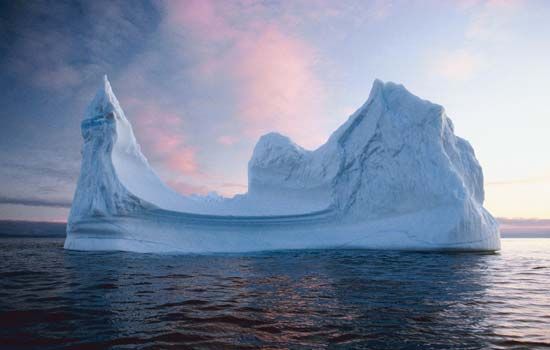
- Oceanography: The strait acts as a meeting point for distinct water masses: the relatively warm West Greenland Current and the cold Labrador Current, which carries icebergs southward.7
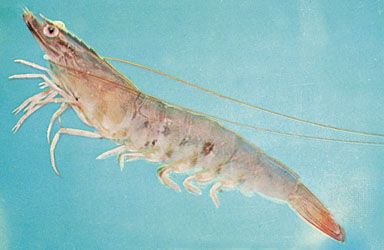
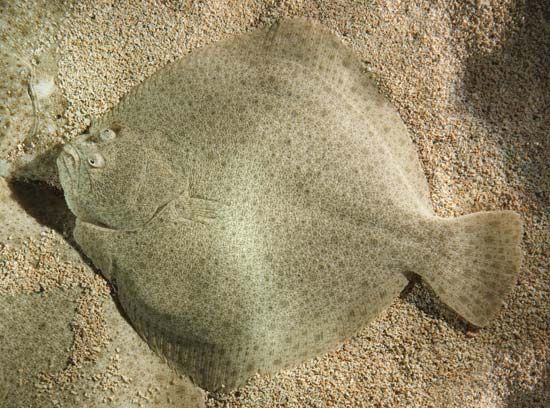
- Economy and Ecology: Historically significant for Inuit subsistence and 19th-century whaling, the region now supports commercial fisheries for shrimp and turbot. Modern efforts focus on balancing these industries with the protection of deepwater coral communities and managing the environmental risks associated with potential oil exploration.7
What is life like in Greenland settlements?
Life in Greenland’s settlements is shaped by the island’s vast, rugged geography and a unique blend of traditional Inuit heritage and modern Danish influence. The population is widely dispersed, residing primarily in 18 municipalities or smaller villages along the ice-free coastal regions.8
Daily Life and Infrastructure
- Transportation: Because road networks are limited to short stretches within towns, residents rely heavily on shipping and air travel for inter-community transport. In coastal and inland areas, snowmobiles and dogsleds remain common for navigating ice-covered terrain.9
- Connectivity: Greenland maintains a sophisticated digital telecommunications network, with usage of the internet and cellular phones growing significantly in recent decades.9
- Language and Education: Kalaallisut is the official language, though many residents are bilingual in Danish. While higher education is available at Ilisimatusarfik (the University of Greenland), many students pursue advanced degrees in Denmark.108
Economy and Culture
- Livelihood: The economy is heavily dependent on fishing—particularly cod, halibut, and shrimp—and the public sector, which employs nearly half the workforce.911
- Cultural Activities: Traditional practices like soapstone carving, drum dancing, and kayaking remain vital. Modern sports such as football (soccer), skiing, and handball are also widely popular.12
- Religion: The majority of the population follows Evangelical Lutheranism, which is the official religion.8
Sources
- Arfersiorfik Fjord — Encyclopædia Britannica
- fjord — Encyclopædia Britannica
- glacial landform - Erosional landforms of continental glaciers — Encyclopædia Britannica
- estuary - Geology and geomorphology — Encyclopædia Britannica
- estuary - Fjords — Encyclopædia Britannica
- fjärd — Encyclopædia Britannica
- Davis Strait — Encyclopædia Britannica
- Greenland - Economy — Encyclopædia Britannica
- Arctic - Greenland of the Arctic — Encyclopædia Britannica
- Greenland: Top Questions — Encyclopædia Britannica
- Greenland - Land — Encyclopædia Britannica
- Greenland - People of Greenland — Encyclopædia Britannica
- Greenland - Cultural life — Encyclopædia Britannica
Published on · 3 min read