Big Sur
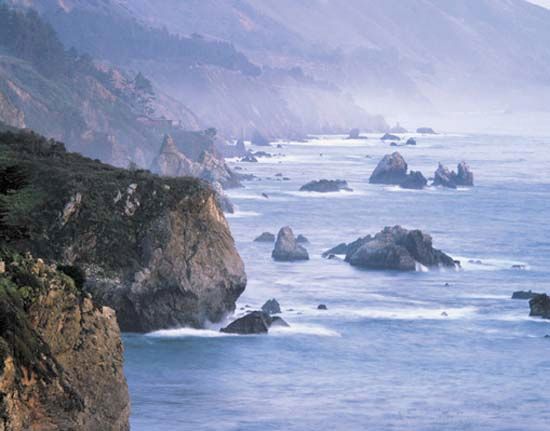
Big Sur is a renowned scenic region along the California coast, primarily recognized for its rugged beauty and wilderness areas rather than as a specific…
What role does Big Sur play in marine conservation efforts along the California coast?
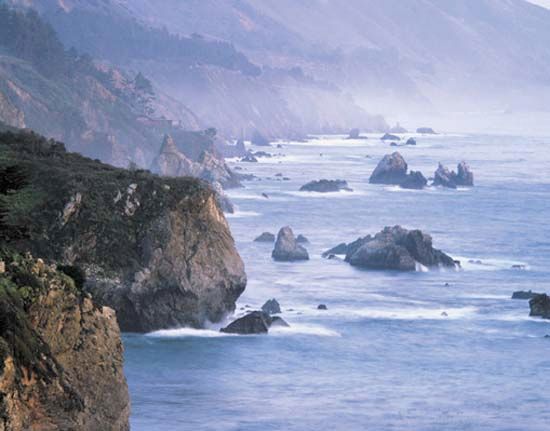
Big Sur is a renowned scenic region along the California coast, primarily recognized for its rugged beauty and wilderness areas rather than as a specific marine conservation designation. While it is not a marine protected area itself, its conservation is supported by strict land-use policies. In the mid-1980s, Monterey County authorities implemented a comprehensive zoning plan that significantly limited commercial development along 68 miles of its mountainous shoreline, helping to preserve the region’s natural state.1
The coastal waters adjacent to Big Sur are part of the broader California Coastal National Monument, which protects the entire 1,100-mile California coastline. This monument safeguards critical offshore ecosystems, including rocks, reefs, and islands that serve as essential nesting and feeding grounds for seabirds and provide habitats for marine mammals like sea otters, seals, and sea lions. By limiting human development on the land, the Big Sur region indirectly supports the integrity of these adjacent marine ecosystems.21
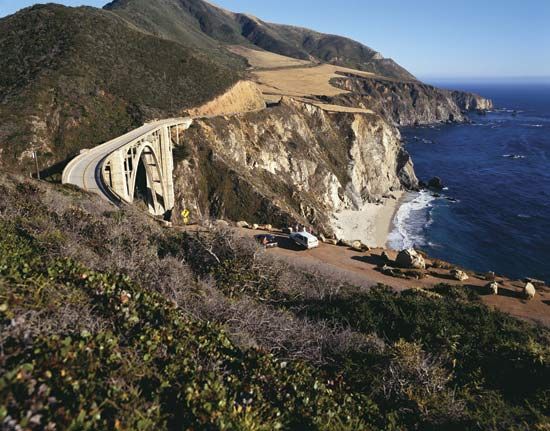
What are the main natural features and landmarks that make Big Sur famous?
Big Sur is a 100-mile stretch of rugged, mountainous coastline in western California known for its dramatic scenery along the Pacific Ocean. Its fame is rooted in a unique combination of wilderness, geography, and cultural history.2
Natural Features
- Santa Lucia Range: This mountainous terrain defines the region’s dramatic topography, rising sharply from the sea.2
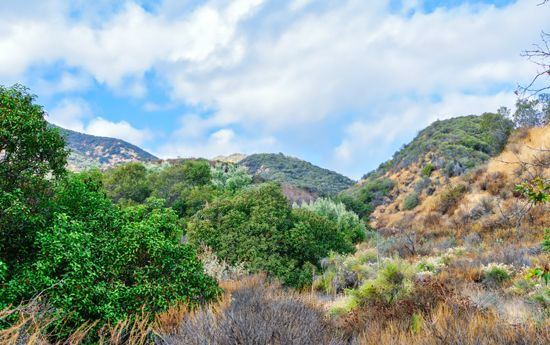
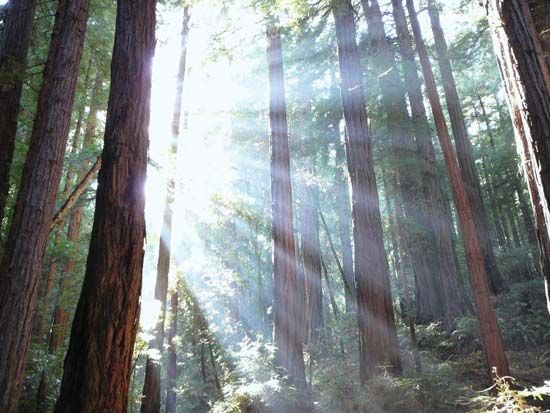
- Coastal Ecosystems: The area features diverse landscapes, including coastal redwood forests and chaparral, as well as the Big Sur River.2
- Wayside Wilderness: The region is home to vast, protected wilderness areas within the Los Padres National Forest.2
Landmarks and Parks
- State Parks: The region hosts several notable parks, including Pfeiffer Big Sur, Garrapata, Andrew Molera, San Simeon, and Point Sur State Historic Park.2
- Hearst Castle: Located at the southern end of the region in San Simeon, this historic estate is a major landmark.2
- Literary Sites: The home of poet Robinson Jeffers, built from local stone, remains a significant cultural landmark reflecting the region’s history as an inspiration for writers like Henry Miller and Jack Kerouac.2
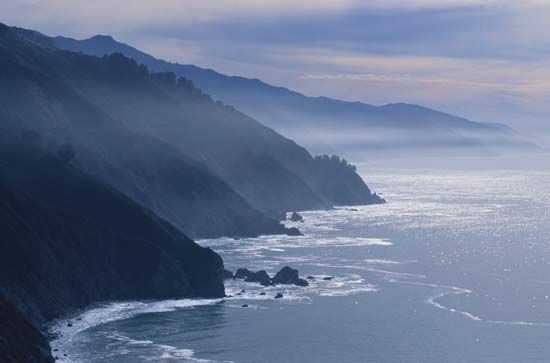
What wildlife and plant species are unique to the Big Sur region?
The Big Sur region is characterized by a diverse array of flora and fauna, though it is important to note that many of the species found there are native to the broader California coastal range rather than being endemic exclusively to Big Sur.
Plant Life
The region is perhaps most famous for the coast redwood, which thrives in the area’s unique “fog belt”. These ancient, fire-adapted trees are a defining feature of the landscape, particularly within Pfeiffer Big Sur State Park. In addition to redwood forests, the region is dominated by chaparral, a hardy, drought-resistant shrubland vegetation that is highly characteristic of the California coastal environment.45
Wildlife
The diverse geography of Big Sur supports a wide variety of animals:
- Land Mammals: The region is home to predators such as pumas (cougars) and bobcats, which prowl the remote mountain areas of the Santa Lucia Range. Other common mammals include black bears, coyotes, and black-tailed deer.256
- Marine Life: The coastal waters are rich in biodiversity, hosting various species of marine mammals, including sea otters, harbor seals, and California sea lions.26
- Birds: The area serves as a habitat for numerous bird species, including jays, thrashers, and the California condor, which has been the subject of intensive recovery efforts.2
What are some of the most popular outdoor activities and attractions in Big Sur?
Big Sur is a premier destination for those seeking to experience the rugged beauty of the California coast. While the region was once a remote wilderness, it is now a popular hub for tourists and naturalists alike.2
Popular Activities and Attractions
- Scenic Driving: The winding, narrow coastal road is the primary way to experience the region, offering spectacular views of the Pacific Ocean and the dramatic Santa Lucia Range.2
- State Park Exploration: Visitors can explore several state parks, including Pfeiffer Big Sur State Park, which features 800 acres of coastal redwood and chaparral, as well as Garrapata, Andrew Molera, San Simeon, and Point Sur State Historic Park.2
- Cultural Sightseeing: The region has a rich literary history. Travelers often visit landmarks associated with writers who lived there, such as the home of poet Robinson Jeffers, or explore the historic Hearst Castle located at the southern end in San Simeon.2
Sources
- California Coastal National Monument — Encyclopædia Britannica
- Big Sur — Encyclopædia Britannica
- Big Sur — Merriam-Webster
- California - Plant and animal life — Encyclopædia Britannica
- coast redwood — Encyclopædia Britannica
- Redwood National Park — Encyclopædia Britannica
- Pacific mountain system - Animal life — Encyclopædia Britannica
Published on · 3 min read