Argentine
"Argentine" is an adjective or noun referring to something or someone from Argentina, a country in South America. As a noun, it denotes a native or…
What is argentine?
“Argentine” is an adjective or noun referring to something or someone from Argentina, a country in South America. As a noun, it denotes a native or inhabitant of the nation, also known as an Argentinean.1
The term is derived from the Latin word argentum, meaning “silver,” reflecting the country’s historical association with the mineral. Argentina is the world’s eighth-largest country, characterized by diverse landscapes ranging from the vast Pampas grasslands to the arid regions of Patagonia. Since declaring independence in 1816, the nation has experienced a complex history marked by periods of caudillo leadership, military dictatorship, and the eventual reestablishment of democratic rule. Today, it is a largely urbanized society with a rich cultural heritage centered in its capital, Buenos Aires.23
What is the origin of the name Argentina?
The name Argentina is derived from the Latin word argentum, which means “silver.”4
This etymological connection stems from the early European exploration of the Río de la Plata estuary. During the 16th century, explorers such as Sebastian Cabot encountered indigenous peoples who possessed silver trinkets. These encounters led to the naming of the estuary “Río de la Plata”—literally “River of Silver”—in the hope that the region would prove to be a source of the precious metal. The country’s name, which is formally the Argentine Republic, reflects this historical association with silver.546
What are the Pampas and why are they important to Argentine culture?
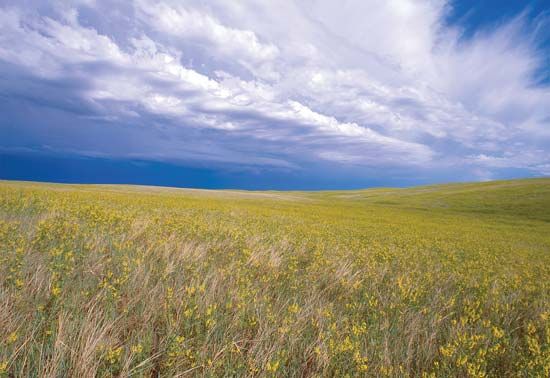
The Pampas are vast, fertile plains extending across central Argentina, stretching from the Atlantic coast to the Andean foothills. The name originates from a Quechua word meaning “flat surface.” While the western zone is largely arid, the eastern humid zone serves as the nation’s economic heart, supporting extensive agriculture and livestock production.8
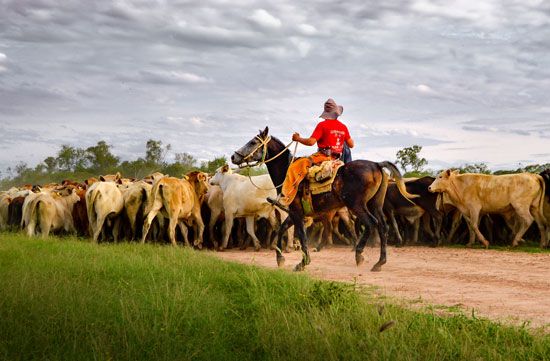
The Pampas are central to Argentine culture primarily as the historical and symbolic home of the gaucho—the nomadic horseman who became a national folk hero. Although gauchos were once marginalized as vagabonds, they were later romanticized as symbols of self-reliance, courage, and love of the land. This cultural legacy is immortalized in “gaucho literature,” most notably José Hernández’s epic poem El gaucho Martín Fierro (1872) and Ricardo Güiraldes’s novel Don Segundo Sombra (1926).9108
The tension between the urban identity of Buenos Aires and the vast, rural landscape of the Pampas remains a defining theme in Argentine thought and artistic expression.10
Who were the gauchos and what role did they play in history?
The gauchos were nomadic horsemen and cowhands who flourished on the Pampas of Argentina and Uruguay from the mid-18th to the mid-19th century. Typically of mestizo descent, they were skilled animal handlers who initially hunted wild cattle and horses for hides and tallow before later working on large estancias.13912
In history, gauchos played a pivotal role as the military backbone of the Río de la Plata region. They were instrumental in defeating the Spanish colonial regime and later fought in the internal conflicts between rival provincial caudillos, often serving in irregular cavalry units known as the montonera.139
Though once scorned as lawless vagabonds, the gaucho was later elevated to a national folk hero, symbolizing self-reliance, courage, and a deep connection to the land. This transformation is reflected in la literatura gauchesca, including José Hernández’s El gaucho Martín Fierro, which cemented their status as an enduring icon of Argentine national identity.13129
Sources
- Argentina — Encyclopædia Britannica
- History of Argentina — Encyclopædia Britannica
- Argentine — Merriam-Webster
- Did you know? — Merriam-Webster
- Río de la Plata - Early European exploration and settlement — Encyclopædia Britannica
- Argentina — Merriam-Webster
- Argentina: Country Facts — Encyclopædia Britannica
- the Pampas — Encyclopædia Britannica
- Gaucho — Encyclopædia Britannica
- Argentina - Agriculture, forestry, and fishing — Encyclopædia Britannica
- Estancia — Encyclopædia Britannica
- Argentina - Cultural life — Encyclopædia Britannica
- Did you know? — Merriam-Webster
Published on · 2 min read