Cattle
Cattle have been domesticated for thousands of years, serving as versatile, "all-purpose" animals that provide essential resources for human societies. The…
What are the primary purposes for raising cattle as livestock?
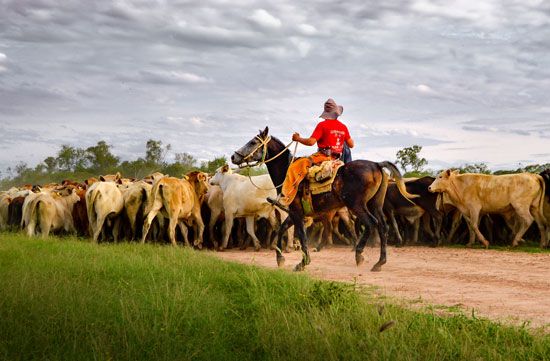
Cattle have been domesticated for thousands of years, serving as versatile, “all-purpose” animals that provide essential resources for human societies. The primary purposes for raising cattle include:1
- Food Production: Cattle are a major source of meat, including beef and veal, as well as various organ meats. They are also raised for milk, which is consumed directly or processed into products like butter, cheese, yogurt, and ice cream.12
- Draft Power: Historically, cattle have been used as draft animals to perform labor, such as pulling plows or carts.13
- By-products and Materials: Cattle provide hides for manufacturing leather goods. Additionally, various by-products are utilized in pharmaceuticals (e.g., insulin), fertilizers, soaps, and industrial greases.14
- Cultural and Economic Roles: In some regions, cattle serve as a measure of wealth or hold sacred status in certain religions. They are also involved in sporting events, such as rodeo and bull riding.1
While these practices are economically significant, the ethics of intensive animal farming and the environmental impact of commercial meat production remain subjects of ongoing philosophical and scientific debate.3
What are the environmental impacts of large-scale cattle farming?
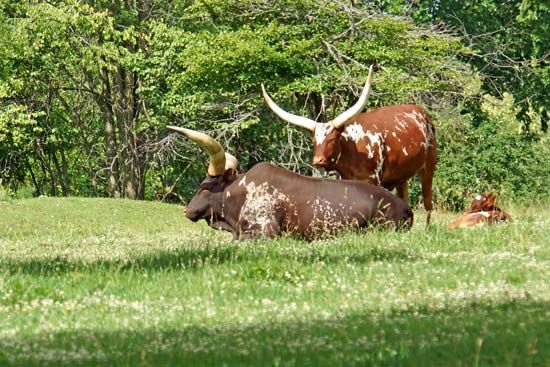
Large-scale cattle farming, particularly in intensive operations like feedlots, presents significant environmental challenges that require careful management.
Pollution and Waste Management
Intensive farms house large numbers of animals in confined spaces, generating massive quantities of waste. A single steer can produce approximately one ton of manure annually. If not properly managed, this waste—contaminated with feces and urine—can lead to water pollution through runoff into local waterways. In arid regions, dry manure can create pervasive dust, which, combined with noxious odors, can negatively impact the air quality and health of nearby human communities.67
Greenhouse Gas Emissions
Cattle are significant sources of methane and nitrous oxide, both potent greenhouse gases that contribute to the climate crisis. While methane is a more effective heat-trapping gas than carbon dioxide, its atmospheric concentration is lower, and total emissions from global cattle populations remain a major environmental concern.68
Land Use and Biodiversity
Large-scale cattle production is a primary driver of biodiversity loss due to the conversion of wild lands into grazing pastures or cropland for animal feed. Furthermore, overgrazing on rangelands can lead to soil erosion, desertification, and the destruction of native plant communities. The production of grain-based feed also consumes significant fossil fuels through machinery use, fertilizer manufacturing, and transportation.6910
Antibiotic Resistance
The density of animals in feedlots necessitates the widespread use of antibiotics, which can drive the development of antibiotic-resistant bacteria. These bacteria can spread into the environment via manure used as fertilizer, posing a serious threat to human and veterinary medicine.7
What advancements in genetics and breeding have improved cattle production?
Advancements in genetics and breeding have significantly enhanced cattle production through systematic selection, reproductive technologies, and the application of immunogenetics.
Selection and Breeding Strategies
- Progeny Testing: This method is vital for evaluating sires used in artificial insemination. By analyzing the production records of a sire’s daughters, breeders can identify and select superior bulls to influence the genetic future of the herd.11
- Selective Breeding: Through selective breeding, producers have consistently increased milk production and improved carcass qualities. This involves choosing parents that complement each other to address specific deficiencies.1112
- Crossbreeding: New breeds, such as the Santa Gertrudis, Brangus, and Beefmaster, were developed to combine desirable traits like heat resistance, insect tolerance, and meat quality.13
Reproductive Technologies
- Superovulation and Embryo Transfer: Valuable cows can be induced to release multiple eggs, which are then fertilized and implanted into host females. This allows superior females to produce more offspring annually, increasing selection intensity.14
- Sex Determination: Determining the sex of embryos in utero allows breeders to optimize their programs by focusing on the desired gender for production goals.14
Immunogenetics
- Disease Control: Understanding the genetic basis of the immune system helps manage hereditary conditions. For example, testing bulls for the gene responsible for bovine leukocyte adhesion deficiency (BLAD) has successfully prevented the spread of this fatal disease in Holstein populations.15
What are the animal welfare concerns in modern cattle farming, and how are they being addressed?
Modern cattle farming, particularly in feedlots, faces significant animal welfare concerns stemming from intensive management practices. Critics argue that these systems prioritize efficiency and profit over the natural needs of the animals.1016
Key Welfare Concerns
- Dietary Stress: Cattle are ruminants evolved to digest fibrous grass. The high-grain diets used in feedlots to accelerate weight gain can cause ulcers, liver abscesses, and other digestive disorders.1016
- Confinement and Environment: Animals are kept in high-density pens, which can lead to unsanitary conditions, especially during periods of excess rainfall. The lack of natural foraging activity and exposure to extreme weather, such as heat stress, are ongoing welfare issues.1016
- Disease Management: The crowded conditions and grain-based diets create environments prone to bacterial growth. This necessitates the widespread use of antibiotics, which raises ethical concerns regarding the prophylactic treatment of healthy animals.10
Addressing Welfare
To mitigate these issues, producers employ several management strategies:
- Environmental Controls: Operators install sunshades to reduce heat stress and construct elevated mounds to provide dry areas for cattle to lie down, improving cleanliness and comfort.10
- Health Monitoring: Upon arrival at a feedlot, cattle are examined, vaccinated, and dewormed. Their digestive health is closely monitored to manage the risks associated with grain-based feeding.10
- Regulatory Guidance: Organizations like the World Health Organization advocate for restricting the use of medically important antibiotics, recommending they be used only for clinically diagnosed diseases rather than for growth promotion.10
Sources
- Cow - Domestication and economic production — Encyclopædia Britannica
- Farm building - Livestock barns and shelters — Encyclopædia Britannica
- meat processing - By-products — Encyclopædia Britannica
- Cattle — Encyclopædia Britannica
- Livestock farming — Encyclopædia Britannica
- Intensive animal farming - Environmental impacts — Encyclopædia Britannica
- Do cows pollute as much as cars? — Encyclopædia Britannica
- Deforestation - History — Encyclopædia Britannica
- Rangeland — Encyclopædia Britannica
- Feedlot — Encyclopædia Britannica
- Animal breeding - Progeny testing — Encyclopædia Britannica
- Animal breeding - Immunogenetics — Encyclopædia Britannica
- Animal breeding - Accuracy of selection — Encyclopædia Britannica
- Are all dairy cattle female? — Encyclopædia Britannica
- Origins of agriculture - Beef cattle — Encyclopædia Britannica
- Intensive animal farming - Animal welfare — Encyclopædia Britannica
Published on · 5 min read