Criollo
The term criollo has several distinct meanings depending on the context:
What is Criollo?
The term criollo has several distinct meanings depending on the context:
- Sociology and History: It refers to a person of pure Spanish descent born in Spanish America or, more broadly, any person born and raised in a Spanish-American country. The term is also the root of criollismo, a literary and artistic movement in Latin America focused on native themes and national identity.12
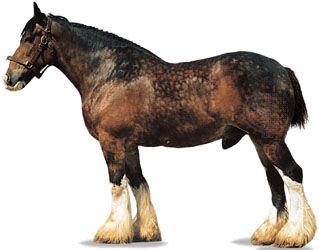
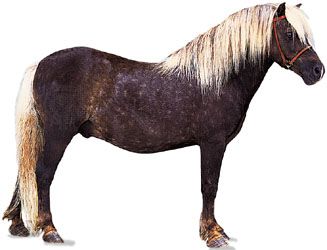
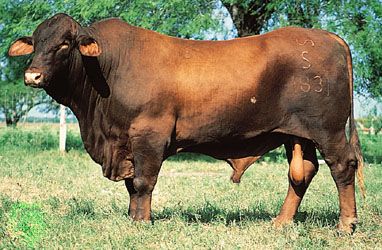
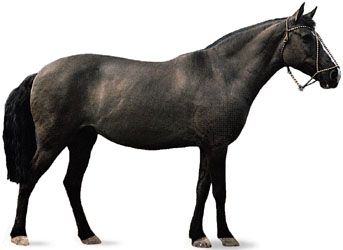
- Agriculture: It describes domestic animal breeds or strains developed in Latin America, such as the hardy, muscular Argentine pony.1
- Cacao: It is one of the three primary divisions of the cacao plant. While highly valued for its distinctive flavor, the Criollo variety is very susceptible to disease and is not widely cultivated compared to the more common Forastero variety. During cocoa bean processing, Criollo beans require a shorter fermentation period—typically one to three days—compared to other grades.34
How do Forastero and Trinitario cacao varieties differ from Criollo?
The three primary divisions of cacao—Forastero, Trinitario, and Criollo—differ significantly in their commercial use, cultivation, and processing requirements.3
Forastero
Forastero is the most widely grown variety and serves as the standard for commercial cocoa bean production. Because it is more robust than the Criollo variety, it is the primary choice for large-scale cultivation. During processing, Forastero beans require a longer fermentation period, typically lasting five to seven days.34
Trinitario
Trinitario is a hybrid variety resulting from the cross-breeding of Forastero and Criollo plants. It combines the hardier traits of the Forastero with the superior flavor profile of the Criollo. As a result, Trinitario beans are highly valued for use in the production of high-quality dark chocolate.3
Comparison Summary
- Commercial Use: Forastero is the industry standard, while Trinitario is prized for high-quality chocolate.3
- Cultivation: Criollo is noted for being highly susceptible to disease and is not widely grown, whereas Forastero is favored for its resilience.3
- Fermentation: Criollo requires a shorter fermentation time (one to three days) compared to the five to seven days required for Forastero.4
What makes Criollo cacao beans so highly valued for chocolate production?
Criollo cacao beans are highly valued primarily for their superior and distinctive flavor profile, which distinguishes them from the more common Forastero varieties used in mass-market commercial production.3
While the provided search results highlight that Criollo is prized for its quality, they also note that it is not widely cultivated due to its high susceptibility to disease and pests. Because of these agricultural challenges, Criollo is often considered a specialty crop compared to the hardier Forastero or the hybrid Trinitario, which was developed to combine the resilience of Forastero with the flavor characteristics of Criollo.3
How did the term ‘criollo’ evolve to describe both people and cultural movements?
The term criollo originated in the 17th century to denote a person of pure Spanish descent born in the Americas. Over time, its meaning evolved through complex social, political, and cultural shifts in Latin America.2
Social and Political Evolution
Initially, criollos (or Creoles) were often relegated to second-class status compared to peninsulares—Spanish-born residents who held the most prestigious civil and ecclesiastical posts. Despite being legally equal, Creoles faced systemic discrimination and commercial restrictions, fueling deep-seated enmity. By the 18th century, as the Spanish crown attempted to reassert control, this resentment grew. Following the political crises of the early 19th century, Creoles led the wars of independence, eventually ascending to the ruling class of the newly independent nations.1678
Cultural Movements
The term also evolved into a broader cultural identity. Criollismo emerged as a nationalistic preoccupation in literature and the arts with native scenes and local types. In some regions, being muy criollo (“very creole”) came to describe a spirited way of life characterized by national pride, wit, and participation in local social activities.96
Sources
- criollo — Merriam-Webster
- criollismo — Encyclopædia Britannica
- Cacao — Encyclopædia Britannica
- cocoa - Fermentation — Encyclopædia Britannica
- cocoa - History of use — Encyclopædia Britannica
- peninsular — Encyclopædia Britannica
- history of Latin America - The wars of independence , 1808–26 — Encyclopædia Britannica
- Creole — Encyclopædia Britannica
- history of Latin America - Preindependence phenomena — Encyclopædia Britannica
Published on · 3 min read