Aristolochiaceae
The Aristolochiaceae family, or birthwort family, exhibits a wide geographical distribution, primarily consisting of tropical woody vines, though it also…
What is the geographical distribution of Aristolochiaceae plants?
The Aristolochiaceae family, or birthwort family, exhibits a wide geographical distribution, primarily consisting of tropical woody vines, though it also includes species adapted to temperate zones.1
The distribution of its genera varies significantly:
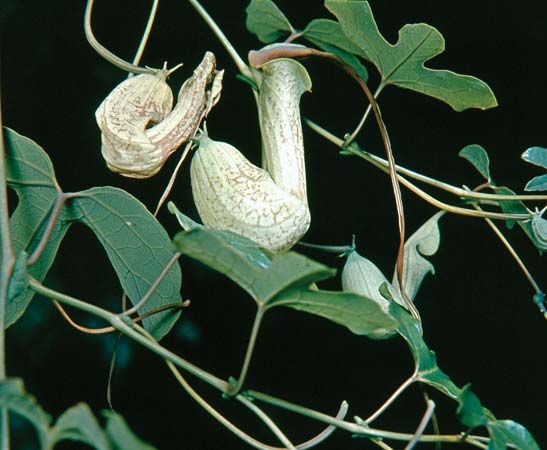
- Aristolochia: This genus is widespread, with many of its more than 400 species found in tropical regions, as well as various species native to North America and Europe.1
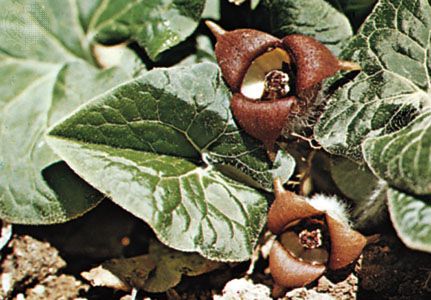
- Asarum: These herbaceous plants are primarily found in the northern temperate zone, with the highest diversity occurring in eastern Asia.1
- Thottea: This genus is native to Asia.1
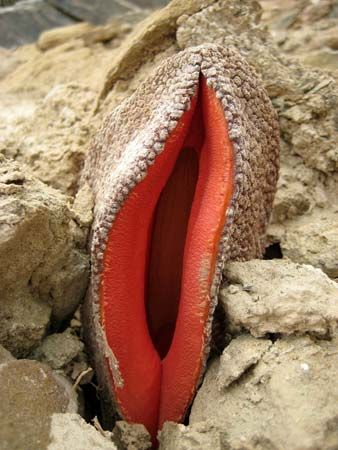
- Hydnoroideae (formerly Hydnoraceae): These parasitic plants have distinct ranges: Prosopanche is found in Central and South America, while Hydnora is distributed across Africa, Madagascar, and the Arabian Peninsula.1
- Lactoris: The sole member of this genus, L. fernandeziana, is endemic to a single location: Nearer Land Island in the Juan Fernández Archipelago, west of Chile.1
What are the key characteristics of plants in the Aristolochiaceae family?
The Aristolochiaceae family, commonly known as the birthwort family, is a diverse group within the order Piperales comprising approximately 590 species across seven genera.4
Key Characteristics
- Growth Habit: The family includes a variety of forms, ranging from mostly tropical woody vines and shrubs to herbaceous plants found in temperate zones.41
- Leaves: Plants typically feature alternate, petioled leaves.1
- Flowers: A defining feature is the presence of apetalous flowers (lacking true petals) that possess a petaloid calyx—an outer floral part that mimics the appearance of petals. These flowers are often tubular and can be large and foul-smelling to attract pollinators like flies and beetles.142
- Reproductive Structures: The stamens are often adnate to the style, and the plants typically feature an inferior ovary.12
- Specialized Adaptations: The family includes unique members such as the Hydnoroideae subfamily, which consists of terrestrial parasitic plants that lack both leaves and chlorophyll.4
While some species are valued as ornamentals or for traditional Ayurvedic medicine, it is important to note that many plants in this family, such as the European birthwort, are poisonous.4
What is the evolutionary history of the Aristolochiaceae family?
The Aristolochiaceae family is part of the Piperales order, which belongs to the magnoliid clade. This clade represents an early evolutionary branch in the angiosperm tree of life.5
Evolutionary Origins
The emergence of the Aristolochiaceae is tied to the broader radiation of angiosperms during the Cretaceous Period. Fossil evidence suggests that the ancestors of the Piperales—including the Aristolochiaceae, Saururaceae, and Piperaceae—may have originated from small, rhizomatous perennial plants with diminutive reproductive organs.5
A significant fossil discovery in Australia, dating to the Aptian (125 million to 113 million years ago), provides a potential link to these early lineages. The vegetative structures of this fossil resemble those of modern Aristolochiaceae, while its reproductive organs show affinities with the Chloranthaceae. This suggests that the ancestral angiosperm may have been a weedy, herbaceous plant rather than the woody shrubs previously hypothesized by some botanists.5
Historical Context
The family has a long history, with related pollen types like Lactoris appearing in the fossil record as early as the Late Cretaceous. Over millions of years, the family diversified into various forms, including the specialized parasitic plants found in the subfamily Hydnoroideae, which have lost their leaves and chlorophyll through evolutionary adaptation.5
Are there any endangered species within the Aristolochiaceae family?
Yes, there are endangered species within the Aristolochiaceae family.
The most notable example is Lactoris fernandeziana, which is the sole member of the genus Lactoris. This endangered species is found exclusively on a single island—Nearer Land Island, part of the Juan Fernández Archipelago located west of Chile. This tiny shrub exists in a limited range within fog-swept forests, where it faces significant threats from grazing animals and competition from more resilient plant species.1
Sources
- Aristolochiaceae — Encyclopædia Britannica
- Aristolochiaceae — Merriam-Webster
- Aristolochiales — Merriam-Webster
- birthwort family — Merriam-Webster
- Piperales — Encyclopædia Britannica
- orchid - Bird pollination — Encyclopædia Britannica
- magnoliid clade - Evolution — Encyclopædia Britannica
Published on · 3 min read