Arkatag Mountains
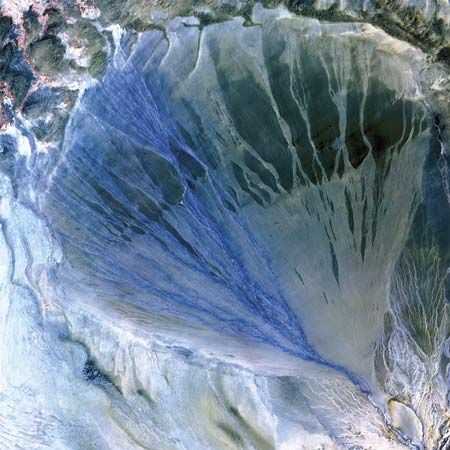
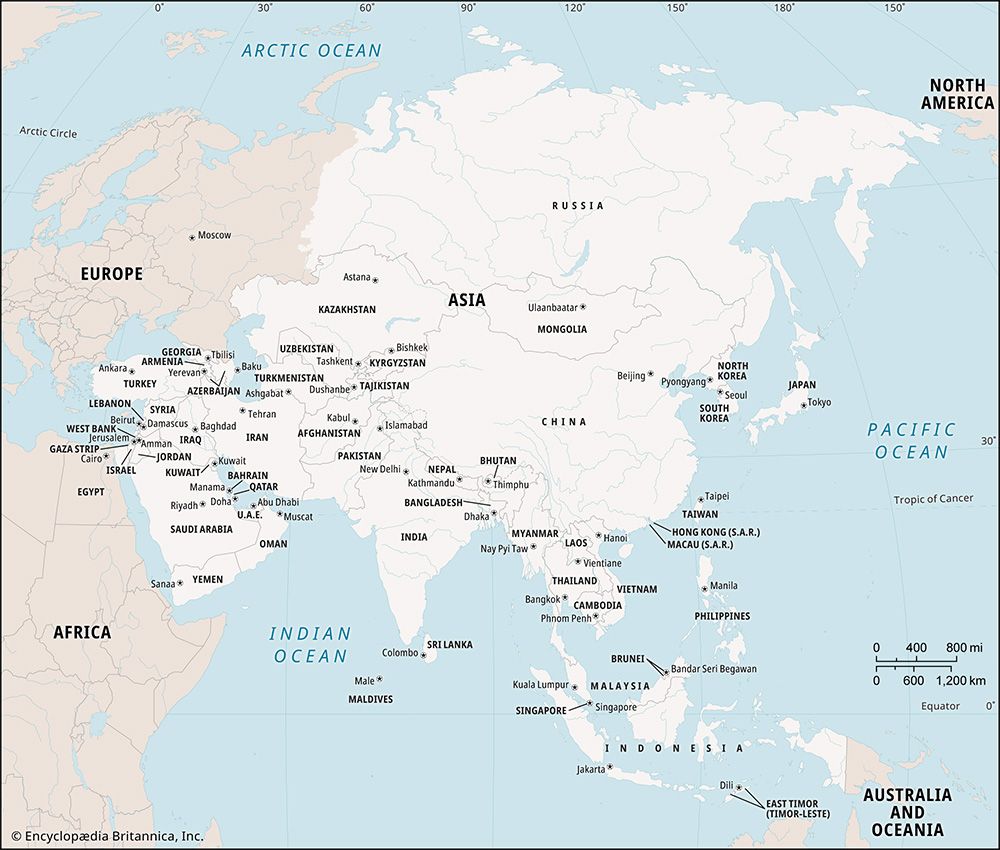
The Arkatag Mountains are a complex mountain chain located in the east-central portion of the Kunlun Mountains in western China.
What is Arkatag Mountains?
The Arkatag Mountains are a complex mountain chain located in the east-central portion of the Kunlun Mountains in western China.1
The range is characterized by significant elevations, featuring two notable peaks at its extremities:
- Mount Muztag (Muztagh): Situated at the western end, this peak reaches 25,338 feet (7,723 metres) and serves as the highest point in both the Arkatag and the broader Kunlun range.1
- Bukadaban Peak: Located at the eastern end, this peak stands at 22,507 feet (6,860 metres).1
What are the primary characteristics of the Kunlun Mountains?
The Kunlun Mountains form a massive, 1,250-mile-long mountain system in southern Central Asia, acting as a natural rampart between the Plateau of Tibet and the Tarim Basin in western China.2
Physical Characteristics
- Structure: The range typically consists of two or three parallel ridges rather than a single crest. It features high-elevation valleys, saline lakes, and significant peaks, including Mount Muztag (25,338 feet), the system’s highest point.3
- Climate: The region is characterized by extreme aridity and isolation from oceanic monsoons, leading to intense temperature fluctuations and significant weathering from heat and frost.4
- Drainage and Glaciation: Most of the system is defined by internal drainage. Despite high elevations, glaciation is limited by the extreme dryness, with snow cover restricted to the deepest crevices of the highest peaks.5
- Geology: The range’s primary folded structures date back approximately 250 million years. The area remains geologically active, with ongoing seismic activity linked to the Altun strike-slip fault system.6
How does the high elevation of the Arkatag Mountains affect the local climate?
The high elevation of the Arkatag Mountains significantly shapes the local climate by intensifying the effects of the continental air mass, as the range is largely isolated from the moderating influence of the Pacific Ocean and Indian monsoons.3
At these high altitudes, the climate is defined by extreme conditions:
- Temperature Extremes: The upper tiers of the mountains experience average July temperatures below 50 °F (10 °C), while winter temperatures frequently plummet to -31 °F (-35 °C) or lower.3
- Diurnal Fluctuations: Sharp daily temperature shifts create intense weathering cycles driven by heat and frost, which break down rock into vast quantities of loose material.3
- Aridity: Precipitation is minimal, typically ranging from 4 to 5 inches (100 to 150 mm) annually at high elevations.3
- Wind: The region is subject to high winds, which are particularly strong during the autumn months.3
Because the surrounding terrain already sits at elevations above 16,000 feet (4,900 metres), the mountains exhibit less vertical prominence than other major ranges in Asia.5
What is the significance of Mount Muztag in the region?
Mount Muztag (also referred to as Muztagh) is significant primarily as the highest point of the Kunlun Mountains, reaching an elevation of 25,338 feet (7,723 metres).8
Its geographical importance is twofold:
- Structural Junction: It serves as a critical geological landmark where the Altun Mountains branch off in a northeasterly direction from the Arkatag Mountains.8
- Regional Landmark: As a prominent peak in the central to eastern reaches of the range, it punctuates a skyline characterized by numerous summits exceeding 20,000 feet, contributing to the rugged physiography of the region that borders the Qaidam Basin.8
It is important to distinguish this peak from Muztagata, which is located in the separate Muztagata Range further west and is famously known as the “father of glaciers”.58
Sources
- Arkatag Mountains — Encyclopædia Britannica
- Kunlun Mountains — Encyclopædia Britannica
- Kunlun Mountains - Climate of the Kunlun Mountains — Encyclopædia Britannica
- Kunlun Mountains - Drainage and glaciation — Encyclopædia Britannica
- Kunlun Mountains - Physiography — Encyclopædia Britannica
- Kunlun Mountains - Geology — Encyclopædia Britannica
- Kunlun Mountains - Study and exploration — Encyclopædia Britannica
- Muztagata Range — Encyclopædia Britannica
Published on · 3 min read