Asia
The climate of Asia is exceptionally diverse, shaped by the continent's vast size, complex topography, and distinct atmospheric circulation patterns. A…
How does climate vary across different regions of Asia?
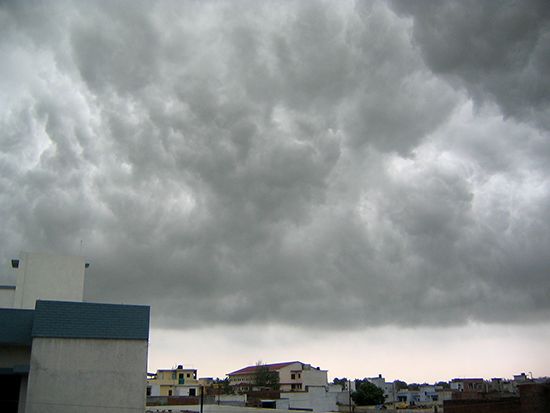
The climate of Asia is exceptionally diverse, shaped by the continent’s vast size, complex topography, and distinct atmospheric circulation patterns. A continental climate prevails over much of the interior, characterized by extreme annual temperature ranges, while coastal and southern regions are heavily influenced by monsoon systems heavily influenced by monsoon systems.12
Key Influencing Factors
- Topography: Mountain ranges, such as the Himalayas, act as barriers that isolate interior regions from moisture-laden winds, creating rain shadows and distinct elevation-based climatic zones.3
- Atmospheric Circulation: The continent experiences sharp seasonal variations. During winter, a high-pressure anticyclone over Siberia and Mongolia drives cold, dry air southward, while summer heating reverses these patterns, drawing in moist air.2
- Exposure: Coastal areas and islands, such as Japan, experience tempered climates where surrounding seas moderate the effects of continental air masses.12
Climatic Regions
Asia’s varied meteorological patterns result in numerous climate types, including:
- Arctic and Cold Zones: Tundra climate in the north and the sharply continental climate of eastern Siberia.1
- Arid and Highland Zones: Desert climates in temperate and tropical zones, as well as mountain-steppe and alpine desert climates in Central Asia and the Plateau of Tibet.1
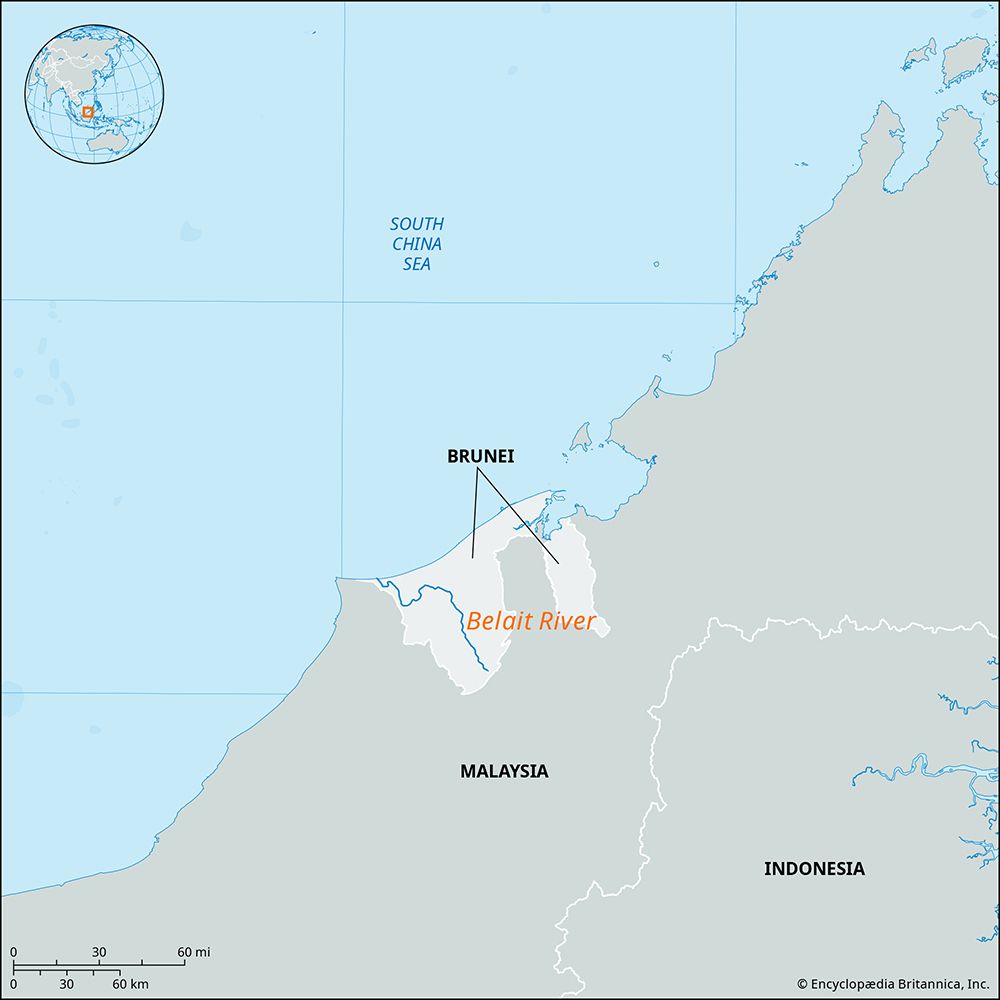
- Monsoonal and Tropical Zones: Subtropical and subequatorial monsoon climates dominate South Asia and Southeast Asia, while equatorial climates are found in the Sunda Islands.14
How has Asia’s history shaped its current political and economic landscape?
Asia’s current political and economic landscape is deeply rooted in its historical experiences with trade, colonialism, and the geopolitical shifts of the 20th century.
Historical Foundations and Colonialism
Ancient trade networks, most notably the Silk Road, established early connections between Asian civilizations and the West, facilitating the exchange of goods, religions, and ideas. By the 17th century, European powers—including the British, Dutch, and French—established East India companies that eventually evolved into colonial empires. This era fundamentally altered Asian economies, shifting them toward the export of raw materials to colonial rulers while importing finished goods, which often stifled indigenous industries.678
Post-War Transformation
The aftermath of World War II saw the rapid collapse of these colonial empires and the emergence of new independent states. Many nations initially struggled with political instability and the challenges of modernization. However, the Cold War also shaped the region, with the United States and the Soviet Union competing for influence, leading to conflicts such as the Korean War and the Vietnam War.89101112
Economic Modernization
Following independence, countries took divergent paths. While some struggled, others—led by Japan and the “four tigers” (Hong Kong, South Korea, Taiwan, and Singapore)—leveraged educated workforces and export-oriented industrialization to achieve rapid growth. Today, the legacy of this history persists in regional security tensions, unresolved historical grievances regarding the colonial era, and a continued focus on integrating into the global market.81314

How have rapid urbanization and industrialization affected Asian societies in recent decades?
Rapid urbanization and industrialization have fundamentally transformed Asian societies in recent decades, driving significant demographic, economic, and cultural shifts.
Urbanization and Settlement Patterns
More than two-fifths of Asians now live in urban areas, a trend fueled by natural population growth and large-scale rural-to-urban migration. While this has led to the rise of massive metropolises, the rapid influx often overwhelms infrastructure, resulting in the proliferation of squatter settlements and shantytowns that lack basic services like electricity and sanitation. To manage this, some regions have adopted the “extended metropolis” model, where urban peripheries merge with rural areas, decentralizing industry and providing new employment opportunities for rural populations.16
Economic and Social Impacts
Industrialization has been a primary engine for growth, particularly through export-oriented strategies adopted by nations like Japan, South Korea, and Taiwancom/place/South-Korea), and Taiwan. However, this progress has been uneven, often creating disparities between prosperous coastal belts and stagnant inland regions.1817
These economic changes have also reshaped social structures:
- Family Dynamics: Modernization and urbanization have contributed to a decline in family size and a shift from traditional patriarchal joint families to smaller, nuclear, or conjugal units.619
- Workforce Participation: Increased mobility and the entry of more women into the workforce have altered traditional social roles and weakened some family-centered systems.619
- Demographic Challenges: Declining birth rates in many East Asian societies, coupled with rising life expectancy, are creating aging populations that may face future fiscal crises as fewer workers support a growing number of retirees.6
How has Asia’s role in global trade and technology evolved in recent decades?
Asia’s role in global trade and technology has undergone a profound transformation since the end of World War II, shifting from a reliance on raw material exports to becoming a powerhouse of global manufacturing and high-tech services.1821
Industrial and Technological Evolution
In the postwar decades, Japan emerged as a global manufacturing leader, followed by the rapid industrialization of the “four tigers”—South Korea, Taiwan, Singapore, and Hong Kong. Today, Asia is a dominant force in heavy industry, with China and Japan leading global steel production. Beyond heavy industry, the region has become a hub for sophisticated engineering and electronics, with countries like Malaysia, South Korea, and Taiwan specializing in computer hardware and miniaturized electronic equipment. Furthermore, India has leveraged its educated, English-speaking workforce to gain a comparative advantage in software development and information processing.1821622
Trade Integration
Asia has increasingly prioritized regional economic cooperation to integrate into the global market. The Association of Southeast Asian Nations (ASEAN) has been instrumental in reducing trade barriers, while the 2020 signing of the Regional Comprehensive Economic Partnership (RCEP) created the largest trade bloc in history. While many Asian economies still maintain significant export markets in the United States and the European Union, intraregional trade has grown substantially as supply chains become more interconnected.2322
Sources
- Asia - Climatic regions — Encyclopædia Britannica
- Asia - The influence of topography — Encyclopædia Britannica
- Asia - Continental climate — Encyclopædia Britannica
- Indian monsoon - Monsoon withdrawal — Encyclopædia Britannica
- Southeast Asia - Climate — Encyclopædia Britannica
- Asia - Historical background — Encyclopædia Britannica
- 20th-century international relations - Asian wars and the deterrence strategy — Encyclopædia Britannica
- history of Central Asia: Top Questions — Encyclopædia Britannica
- Silk Road — Encyclopædia Britannica
- Korea Under Japanese Rule: Top Questions — Encyclopædia Britannica
- history of Southeast Asia - Western dominance — Encyclopædia Britannica
- history of Southeast Asia - Struggle for independence — Encyclopædia Britannica
- The Second Elizabethan Era: Geopolitics in a Changing World - The Transformation of Korea and Japan — Encyclopædia Britannica
- 20th-century international relations - Asia beneath the superpowers — Encyclopædia Britannica
- Japan - Economic transformation — Encyclopædia Britannica
- Asia - Urban settlement — Encyclopædia Britannica
- Southeast Asia - Demographic trends — Encyclopædia Britannica
- Asia - Manufacturing of Asia — Encyclopædia Britannica
- Cultural globalization - Demographic influences — Encyclopædia Britannica
- Taiwan - Family structure — Encyclopædia Britannica
- ASEAN - Economic integration — Encyclopædia Britannica
- Asia - Contemporary trade patterns — Encyclopædia Britannica
- Asia - Heavy industry and engineering — Encyclopædia Britannica
Published on · 5 min read