Zingiberaceae
The Zingiberaceae family, commonly known as the ginger family, consists of aromatic perennial herbs primarily found in tropical and subtropical regions.
What are the main characteristics of plants in the Zingiberaceae family?
The Zingiberaceae family, commonly known as the ginger family, consists of aromatic perennial herbs primarily found in tropical and subtropical regions.12
Key characteristics include:
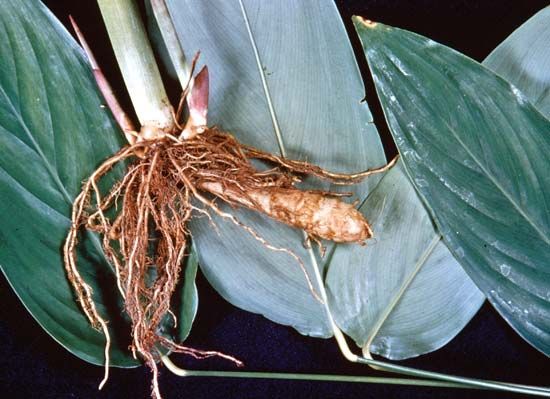
- Growth Habit: Most members possess fleshy, sympodial rhizomes (underground stems). While many are terrestrial, some species are epiphytic.1
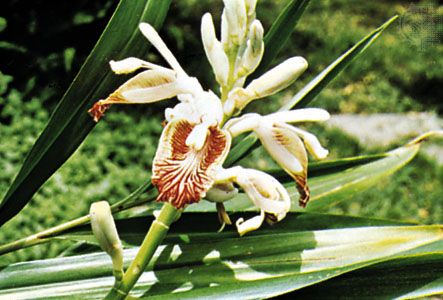
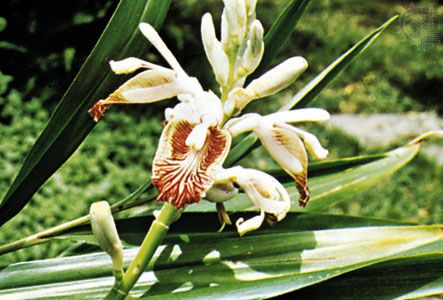
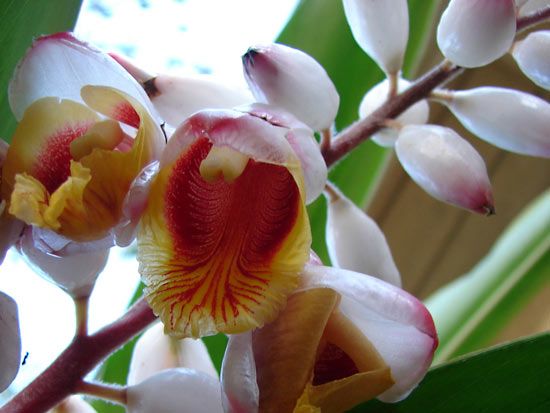
- Floral Structure: The flowers are typically bilaterally symmetric and feature a tubular calyx. A defining feature is the labellum, a showy structure formed by fused stamens that gives the flower an orchid-like appearance.13
- Inflorescence: Flowers are often brightly colored, contain nectar, and are generally short-lived. They are frequently arranged in spiral, cone-like clusters protected by bracts. In some genera, such as Etlingera, the inflorescence may develop partially or entirely underground.13
- Economic Importance: The family is highly valued for spices and aromatics, including ginger, turmeric, and cardamom, as well as various ornamental plants like ginger lily.12
How many genera and species are included in the Zingiberaceae family?
The Zingiberaceae family, which is the largest family within the order Zingiberales, comprises approximately 56 genera and about 1,300 species.1
What are some lesser-known members of the Zingiberaceae family with unique properties?
While many members of the Zingiberaceae family are widely recognized for their culinary and ornamental uses, some genera exhibit unique biological traits that distinguish them from more common species.
One notable example is the genus Etlingera, which displays an unusual growth pattern. While its leafy shoots can reach heights of up to 5 meters (16.4 feet), the plant’s floral parts develop primarily underground. Only a striking circle of bright red, petal-like structures emerges from the soil to bloom, creating a distinct contrast between its vegetative and reproductive growth.1
Additionally, while the majority of the family consists of terrestrial herbs, some species within the Zingiberaceae have adapted to an epiphytic lifestyle. These plants are supported by other vegetation and utilize aerial roots to absorb moisture directly from the humid atmosphere, rather than relying solely on soil-based nutrients.1
These unique adaptations highlight the diversity within the family’s 56 genera and approximately 1,300 species, extending far beyond the well-known rhizomes of ginger, turmeric, and cardamom.1
Which important culinary and medicinal plants belong to the Zingiberaceae family?
The Zingiberaceae family, commonly known as the ginger family, is highly valued for its aromatic properties, contributing numerous plants used in culinary, medicinal, and cosmetic applications.12
Key Culinary and Medicinal Plants
- Ginger (Zingiber officinale): Perhaps the most well-known member, ginger is prized for its pungent, aromatic rhizome. It is used extensively as a spice and flavoring in breads, sauces, curries, pickles, and beverages like ginger ale. Medicinally, it is traditionally used to treat conditions such as flatulence and colic.145
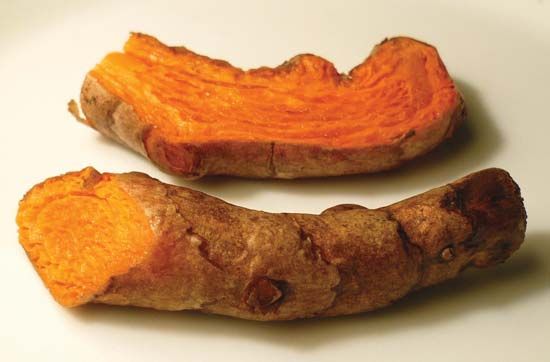
- Turmeric (Curcuma longa): This plant is widely utilized for its dried, ground rhizome. It serves as a staple spice in cooking, a traditional medicine, and a cosmetic agent.1
- Cardamom (Elettaria cardamomum): Known for its warm, aromatic seeds, cardamom is a high-value spice used in South Asian curries, Scandinavian pastries, and Middle Eastern cuisine. In Ayurvedic medicine, it is used to address urinary tract disorders and support blood sugar management, and it is often included in oral care products for its antibacterial properties.6
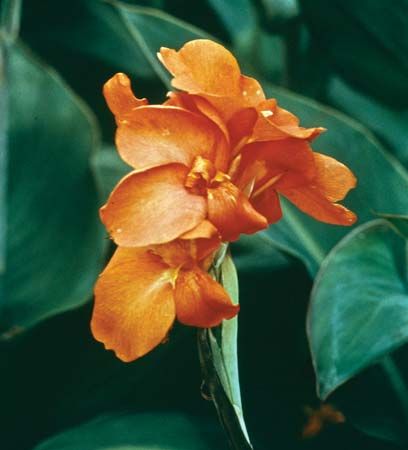
Beyond these staples, several other genera are cultivated for their ornamental value, such as shellflower (Alpinia) and ginger lily (Hedychium), which are frequently used in floral arrangements and decorations.1
Sources
- Zingiberaceae — Encyclopædia Britannica
- Zingiberales — Encyclopædia Britannica
- Zingiberales - Inflorescences — Encyclopædia Britannica
- ginger — Encyclopædia Britannica
- cardamom — Encyclopædia Britannica
- ginger: Top Questions — Encyclopædia Britannica
Published on · 3 min read