Currant
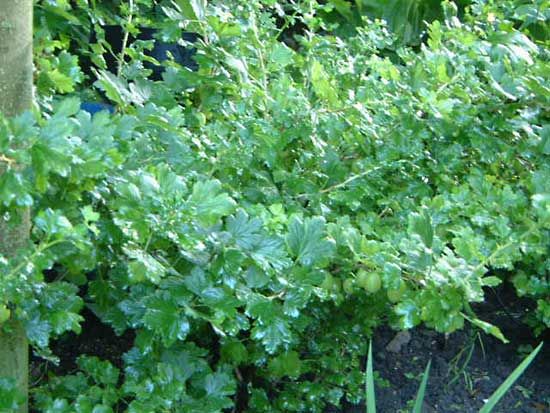
Currant shrubs belong to the genus Ribes, which includes approximately 150 to 200 species within the family Grossulariaceae. These shrubs are native to the…
What are the different species of currant shrubs and where are they native to?
Currant shrubs belong to the genus Ribes, which includes approximately 150 to 200 species within the family Grossulariaceae. These shrubs are native to the temperate regions of the Northern Hemisphere, with a particularly high concentration of species found in the Rocky Mountains of North America; their range also extends southward into the Andes of South America.12
Common species include:
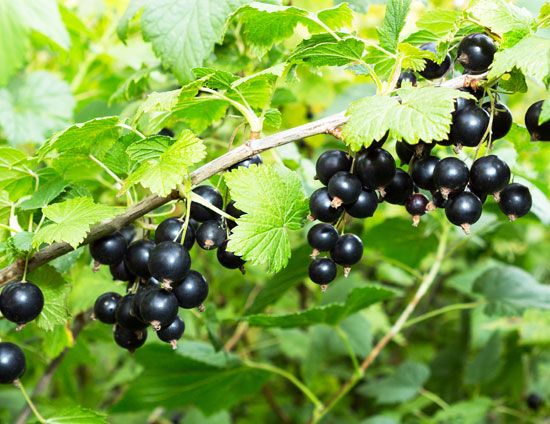
- Black currant (R. nigrum): Native to temperate areas of northern Eurasia.3
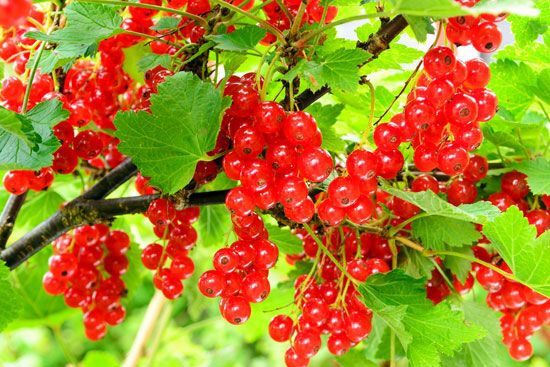
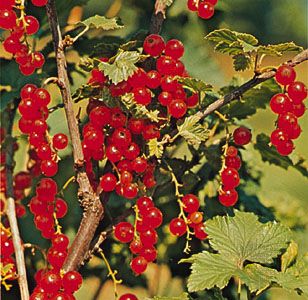
- Common, garden, or red currant (R. rubrum): A primary species for commercial fruit production.2
- Buffalo currant (R. odoratum): Grown for both its edible fruit and ornamental value.12
- Downy or Nordic currant (R. spicatum): Cultivated for its fruit.12
- Alpine currant (R. alpinum): Primarily an ornamental species.12
- Golden or clove currant (R. aureum): Known for its fragrant yellow flowers.12
- Catalina currant (R. viburnifolium): A sprawling evergreen ornamental.12
- Indian currant (R. glutinosum): Native to the Pacific coast of North America.4
How are currant shrubs cultivated and what are their ideal growing conditions?
Currant shrubs thrive in cool, moist, northern climates and perform best in clay and silt soils. Because they are shade-tolerant, they are often grown under larger crops such as grapes, peaches, cherries, and pears.3
Cultivation Practices
Currants are typically propagated using cuttings that are 20–30 cm (8–12 inches) long. These are usually taken in the autumn and planted in a nursery either immediately or in the spring. When planting in a permanent location, the bushes should be spaced 1.2–1.5 metres (4–5 feet) apart in rows, ensuring that no more than two buds remain above the ground.3
Disease Considerations
A significant challenge in currant cultivation is their role as an alternate host for white-pine blister rust, a destructive fungal disease that affects valuable five-leaved pines. Because of this, the cultivation of currants and gooseberries is restricted or prohibited in certain regions, such as parts of the northwestern United States, to protect timber resources.36
What are the nutritional benefits and culinary uses of currant berries?
Currant berries are highly valued for both their nutritional profile and their versatility in the kitchen.
Nutritional Benefits
Currants are an excellent source of nutrition, being exceptionally high in vitamin C. In addition to this antioxidant, they provide essential minerals, including calcium, phosphorus, and iron.3
Culinary Uses
Because of their tart, piquant, and aromatic qualities, currants are widely used in both home and professional cooking:
- Preserves and Sweets: They are most commonly used to make jams, jellies, syrups, and juices. They are also popular ingredients in tarts, pies, and as toppings for desserts like cheesecakes.23
- Flavoring and Beverages: Black currants are famously used to flavor liqueurs, such as the traditional French crème de cassis. They are also used in lozenges and can be fermented.237
- Savory Applications: In professional cuisine, the sharp juice of the black currant is used to add depth and “punch” to sauces, particularly those served with roasted meats like duck.2
- Preparation: While they can be eaten fresh or dried, the berries often benefit from being poached in syrup to balance their intense tang. They are also frequently mixed with blander ingredients in sorbets and ice creams to highlight their distinctive aroma.23
What are the key differences between red, black, and white currant varieties?
Currants belong to the genus Ribes and are categorized into several species, with red and black varieties being the most economically significant. While they share a common family (Grossulariaceae) and general growth requirements, they differ in their botanical characteristics and culinary applications.2
Key Differences
- Black Currant (Ribes nigrum): These are aromatic, erect shrubs that lack spines. The berries are distinctively black, with a powerful, fragrant aroma and a sharp, intense flavor. Because of their strong profile, they are frequently used to add “punch” to savory sauces, such as those for roasted duck, or processed into liqueurs like crème de cassis.32
- Red Currant (Ribes rubrum): Often referred to as the common or garden currant, this species is also a member of the Ribes genus. Like the black currant, it is a spineless shrub, but it is primarily cultivated for its bright red, piquant berries.21
- White Currant: White currants are essentially a color variant of the red currant (Ribes rubrum). They share similar growth habits but produce translucent, pale-colored berries that are generally milder and sweeter than their red or black counterparts.
All these varieties are highly nutritious, providing significant amounts of vitamin C, calcium, phosphorus, and iron.2
Sources
- ribes — Encyclopædia Britannica
- Black currant — Encyclopædia Britannica
- Currant — Encyclopædia Britannica
- white currant — Merriam-Webster
- Indian currant — Merriam-Webster
- Plant disease - Control — Encyclopædia Britannica
- black currant — Merriam-Webster
Published on · 4 min read