Artemisia
Artemisia is a large genus of aromatic herbs and shrubs belonging to the Asteraceae family. These perennial plants are widely recognized for their essential…
What is artemisia?
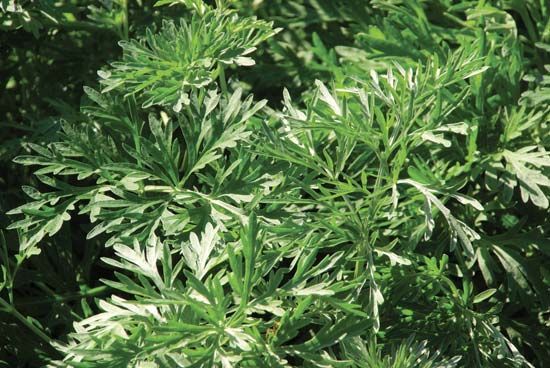
Artemisia is a large genus of aromatic herbs and shrubs belonging to the Asteraceae family. These perennial plants are widely recognized for their essential oils and attractive, often silvery-gray foliage, which makes them popular in horticulture.12
Key species and their uses include:
- Common Wormwood (A. absinthium): Historically used in medicines and as a flavoring for absinthe and vermouth.12
- Tarragon (A. dracunculus): A well-known culinary herb used for seasoning.1
- Common Mugwort (A. vulgaris): Utilized as a flavoring for beverages and in traditional medicine.12
- Sweet Wormwood (A. annua): The source of artemisinin, a vital medication for treating malaria.12
- Sagebrush (A. tridentata): A dominant plant in western North America that provides essential habitat for local wildlife.1
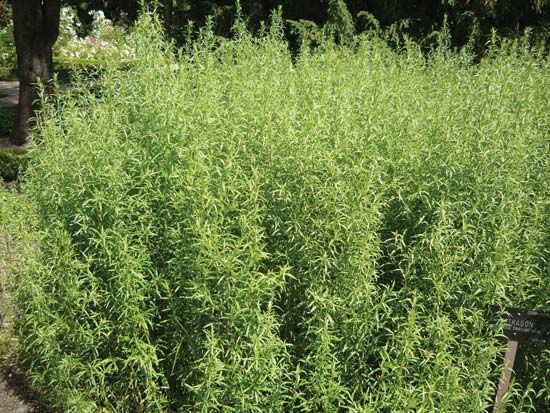
How is artemisinin used to treat malaria?
Artemisinin is a potent antimalarial drug derived from the sweet wormwood plant, Artemisia annua. It is highly effective against all Plasmodium parasites, including multidrug-resistant strains of P. falciparum, the deadliest malaria-causing protozoan.3
Mechanism of Action
Artemisinin targets parasites during the schizont stage of development, when they feed on hemoglobin within human red blood cells. This process produces insoluble iron called hemozoin. Artemisinin contains a peroxide group that reacts with this hemozoin, generating radicals that attack and kill the parasite.3
Administration and Therapy
- Methods: The drug can be administered orally, intramuscularly, or as a suppository. Artesunate, a derivative, can be given intravenously, making it the standard for treating life-threatening cerebral malaria.34
- Combination Therapy: Because artemisinin has a short duration of action, it is typically used in artemisinin-based combination therapies (ACTs)—such as artesunate-mefloquine or artemether-lumefantrine—to prevent relapse and combat the emergence of drug-resistant parasites.34
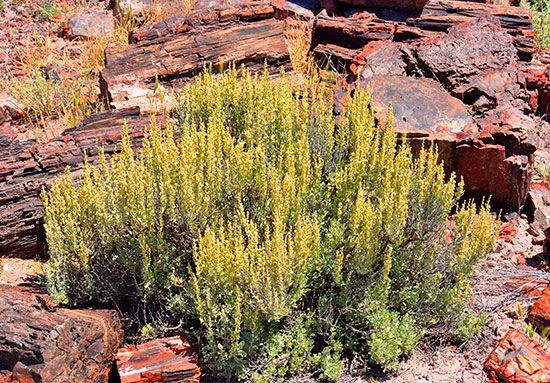
What role does sagebrush play in North American ecosystems?
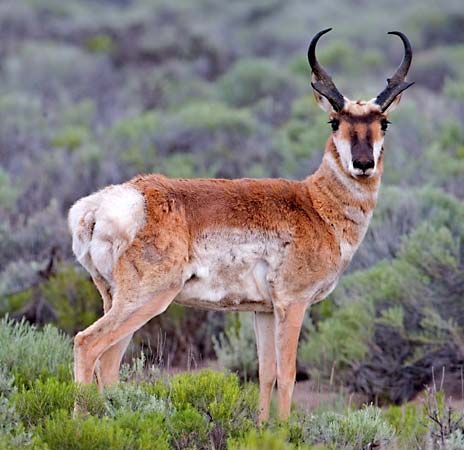
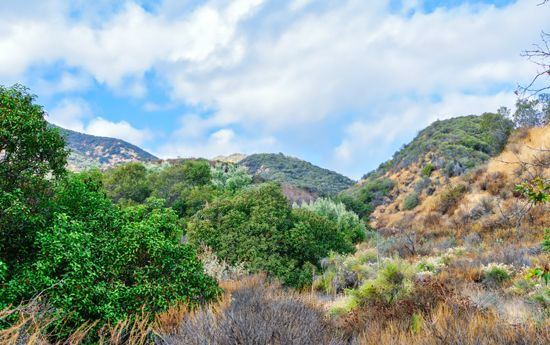
Sagebrush plays a vital role as a foundational species in the semiarid plains and mountain slopes of western North America. By dominating these landscapes, these shrubs create essential habitats that support a diverse array of wildlife.5
In these ecosystems, sagebrush serves several key functions:
- Habitat Provision: It provides critical cover and resources for various species, most notably the sage grouse and the pronghorn.5
- Community Integration: In regions such as the American Southwest, sagebrush is a key component of the Western sclerophyllous scrub forest, where it grows alongside chaparral, stunted evergreen oaks, and yellow pines.6
- Support for Biodiversity: The environment created by these scrub communities sustains a wide range of animals, including jackrabbits, coyotes, hawks, and various reptiles, which rely on the complex interactions between the shrubs and the understory grasses.6
What are the differences between culinary tarragon and other Artemisia species?
Culinary tarragon (Artemisia dracunculus) is a distinct member of the Artemisia genus, which comprises a large group of aromatic herbs and shrubs known for their silvery-gray foliage and essential oils. While many Artemisia species are valued for ornamental purposes or medicinal properties, tarragon is primarily distinguished by its specific culinary profile and chemical composition.71
Key Differences
- Flavor Profile: Culinary tarragon is prized for its unique, sweet, anise-like flavor, which is attributed to a high concentration of the phenylpropanoid methyl chavicol (estragole). In contrast, other Artemisia species, such as common wormwood (A. absinthium) or mugwort (A. vulgaris), are typically more bitter and pungent, often used in beverages like absinthe or vermouth rather than as a primary culinary seasoning vermouth rather than as a primary culinary seasoning.71
- Functional Use: While tarragon is a staple in French cuisine and seasoning blends like fines herbes, other species serve different roles. For example, A. annua (sweet wormwood) is the source of artemisinin, a critical antimalarial medication, and sagebrush (A. tridentata) serves as a foundational ecological habitat in North America rather than a food source.71
- Cultivation: French tarragon is sterile and must be propagated through cuttings, whereas many other Artemisia species, including Russian tarragon, are grown from seeds.7
Sources
- artemisia — Encyclopædia Britannica
- Wormwood — Encyclopædia Britannica
- Artemisinin — Encyclopædia Britannica
- malaria - Treatment — Encyclopædia Britannica
- Sagebrush — Encyclopædia Britannica
- North America - The Western sclerophyllous scrub forest — Encyclopædia Britannica
- tarragon — Encyclopædia Britannica
Published on · 3 min read