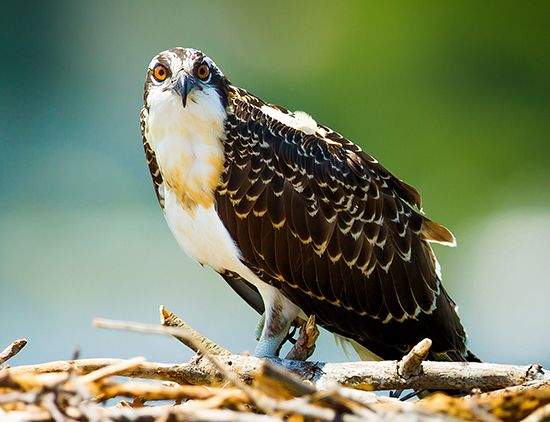
Hawk
Hawks are small to medium-sized birds of prey found on every continent except Antarctica. While the term is often used broadly, they are primarily members of…
What are the different types of hawks found around the world?
Hawks are small to medium-sized birds of prey found on every continent except Antarctica. While the term is often used broadly, they are primarily members of the family Accipitridae1.12
True Hawks
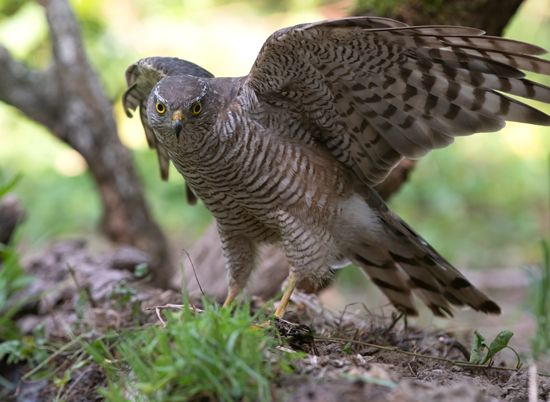
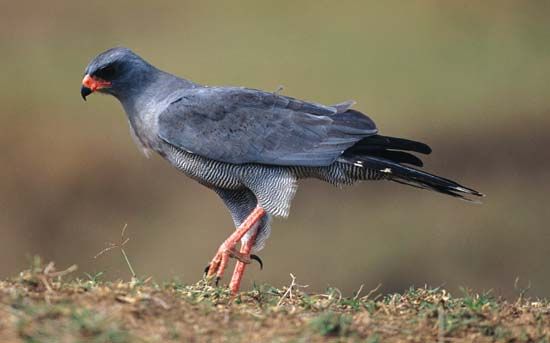
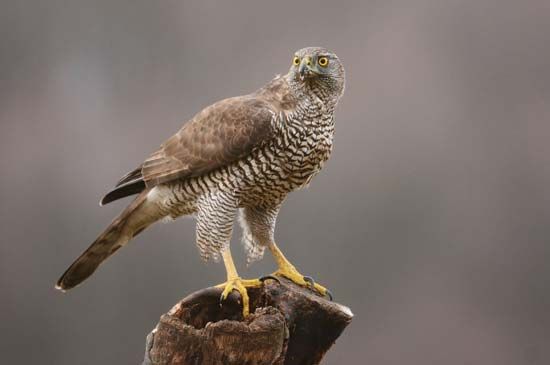
The “true hawks” belong to the genus Accipiter. These birds are characterized by short, broad wings and long tails, which provide the maneuverability needed for hunting in forested areas. Notable examples include:13
- Goshawks: Larger members of the genus.13
- Sparrowhawks: Smaller species, such as the Eurasian sparrowhawk and the African little sparrowhawk.14
- Cooper’s hawk: A common North American species.1
- Sharp-shinned hawk: A small, agile New World raptor.1
Buzzard Hawks (Buteos)
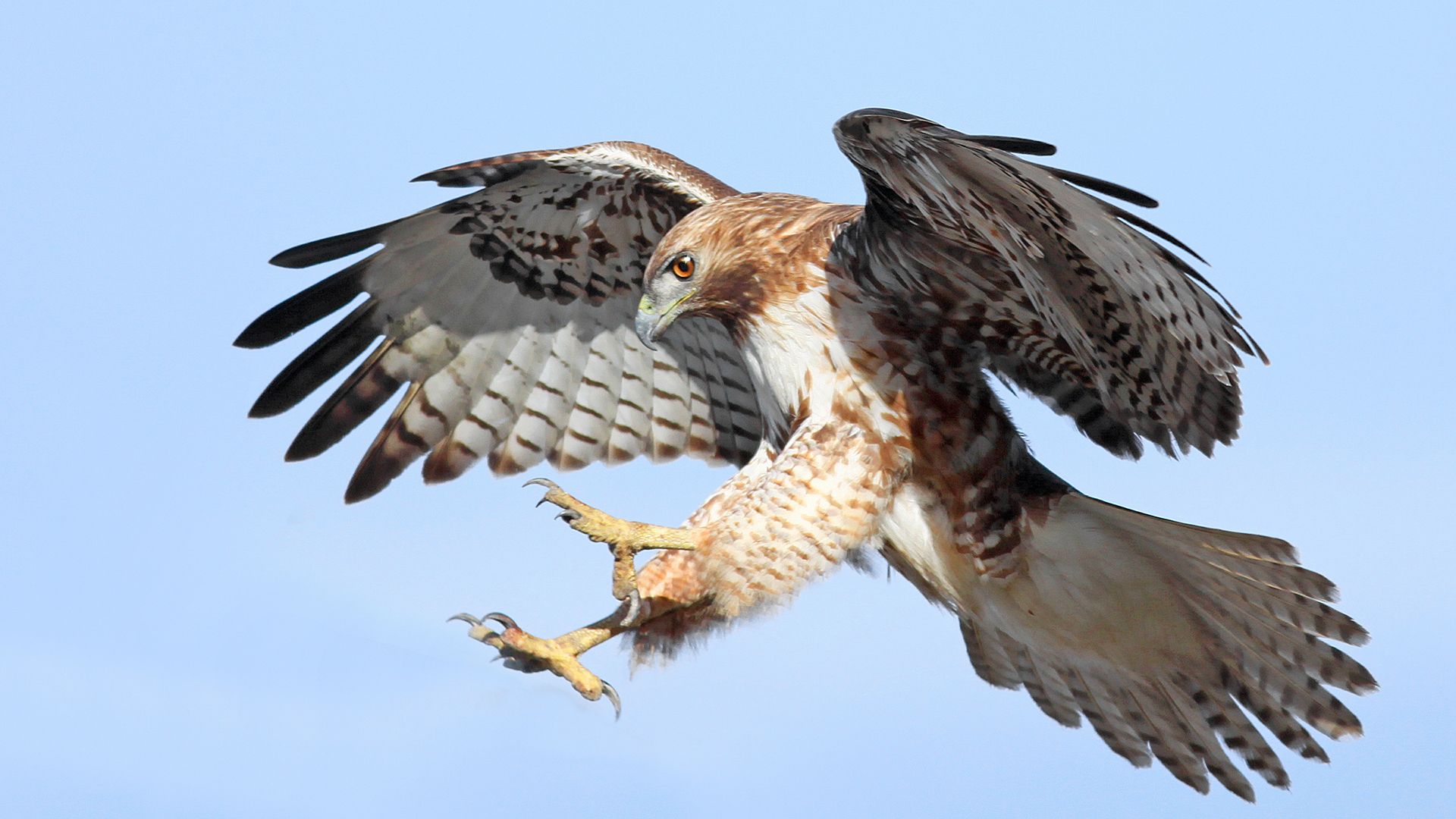
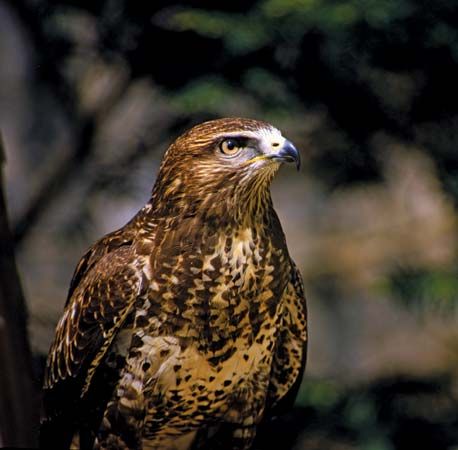
Buteos are broad-winged, soaring raptors. Common examples include:1
- Red-tailed hawk: A widespread North American species.15
- Red-shouldered hawk: Found in eastern and Pacific North America.1
- Rough-legged hawks: Including the ferruginous hawk.1
Other groups often associated with the term include kites, harriers, and black hawks.1
What is the typical lifespan of a hawk in the wild versus in captivity?
The lifespan of a hawk varies significantly depending on whether the bird lives in the wild or in captivity, with species size also playing a major role in longevity.65
Lifespan in the Wild
In the wild, raptors face high mortality rates, particularly during their first year of life, when 50–80 percent of young birds may die before reaching sexual maturity.6
- Smaller species: Smaller falcons and Accipiter hawks (true hawks) typically average less than three years of life, though some individuals may reach 10 to 12 years.6
- Larger species: Larger raptors, such as Buteo hawks and ospreys, generally have an average lifespan of 8 to 10 years, though individuals living more than 20 years have been recorded.6
Statistical estimates for some large species suggest mean adult lifespans ranging from 18 to 27 years, though these figures are estimates and the potential maximum lifespan is rarely attained in the wild.6
Lifespan in Captivity
In captivity, where birds are protected from the environmental pressures and high mortality risks of the wild, many large raptors live for over 30 years. Exceptional records for certain large falconiforms have reached 40 to 50 years, with one record of a bateleur reaching 55 years.6
What are some of the conservation efforts to protect hawk species?
Conservation efforts for hawk species are essential to mitigate the threats posed by human activity and environmental degradation. Protecting these raptors requires a multifaceted approach that addresses both direct persecution and broader ecological challenges.10
Key Conservation Strategies
- Habitat Protection and Restoration: Organizations like BirdLife International work to identify and safeguard critical sites, managing millions of acres of wildlife habitat to ensure species have the space needed to breed and hunt. For species like the Philippine eagle, protecting mountainous rainforests from deforestation and mining is vital for survival.115
- Legislative and Regulatory Measures: Governments have enacted laws to prohibit the direct persecution of hawks, including shooting, trapping, and the illegal collection of eggs. These measures also regulate the use of critical habitats to prevent further degradation.105
- Captive Breeding Programs: For critically endangered species, foundations often implement captive breeding programs to bolster wild populations.5
- Pollution and Pesticide Control: Because persistent chemicals like pesticides and rodenticides can bioaccumulate in tissues and harm reproductive rates, conservationists advocate for the development of less-toxic alternatives and broader environmental awareness.1012
- Public Outreach and Education: Conservationists use iconic species as catalysts for outreach to educate the public on biodiversity issues and to dispel myths regarding the harm hawks cause to human interests.105
How do hawks hunt and what are their primary prey?
Hawks are highly adaptable predators that utilize various foraging techniques depending on their species and environment. Their most common hunting method is “raking,” which involves swiftly pursuing prey as it attempts to escape. Once a hawk catches its target, it uses its powerful talons to secure the animal and its strong, pointed beak to dismember it.3
Hunting Strategies
The hunting style of a hawk is often dictated by its physical structure and the terrain it inhabits:
- Shortwings (True Hawks): Species like goshawks and sparrowhawks have short, rounded wings and long tails, providing the maneuverability needed to hunt in wooded areas. They typically hunt from trees or in quick, explosive bursts of speed.1331
- Broadwings (Buzzards): These raptors, such as the red-tailed hawk, possess broad wings that allow them to soar over open or rolling countryside while searching for prey.31
- Black Hawks: These species are specialized for hunting in aquatic environments, feeding on fish and frogs.3
Primary Prey
While hawks occasionally target poultry or smaller birds, their diet primarily consists of:
Sources
- Hawk — Encyclopædia Britannica
- Accipiter — Encyclopædia Britannica
- What are the differences between hawks and falcons? — Encyclopædia Britannica
- Sparrowhawk — Encyclopædia Britannica
- Red-tailed hawk — Encyclopædia Britannica
- Falconiform - The breeding adult — Encyclopædia Britannica
- falconry - Types of birds used in falconry — Encyclopædia Britannica
- Falconiform - The period as a juvenile — Encyclopædia Britannica
- Falconiform - Life history — Encyclopædia Britannica
- Falconiform - Importance to humans — Encyclopædia Britannica
- Philippine eagle — Encyclopædia Britannica
- BirdLife International — Encyclopædia Britannica
- falconry - Hunting and training techniques — Encyclopædia Britannica
Published on · 4 min read