Chaparral
Chaparral is not distinct from Mediterranean vegetation; rather, it is a specific regional term for it. Mediterranean vegetation is a broad biome…
What is the difference between chaparral and other types of Mediterranean vegetation?
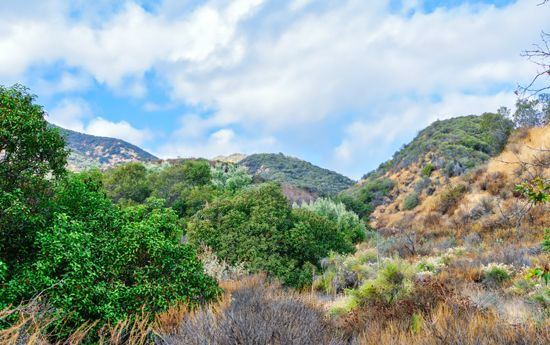
Chaparral is not distinct from Mediterranean vegetation; rather, it is a specific regional term for it. Mediterranean vegetation is a broad biome characterized by dense scrubland of broad-leaved evergreen shrubs and small trees, found in regions with hot, dry summers and mild, wet winters.12
The primary difference lies in geography and local nomenclature:
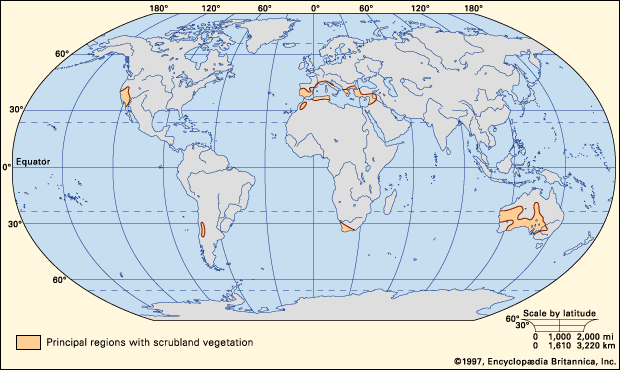
- Chaparral: The term used for this vegetation in southwestern North America.12
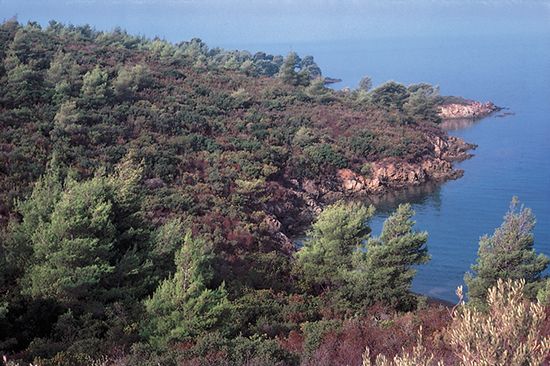
- Maquis/Garigue: Terms used for similar communities around the Mediterranean Sea.32
- Fynbos: The term used in southern Africa.12
- Mallee: The term used in southwestern Australia.12
- Matorral: The term used in central Chile.12
While all these communities share sclerophyllous adaptations to survive drought and fire, their specific plant species vary by region. For instance, while North American chaparral is dominated by evergreen oaks and manzanita, maquis often features aromatic shrubs like laurels and myrtles.123
How does chaparral vegetation contribute to soil conservation in its ecosystem?
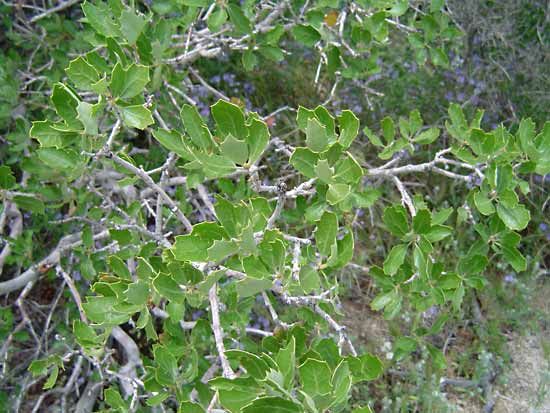
Chaparral vegetation plays a vital role in watershed protection, particularly in regions characterized by steep, easily eroded slopes. By maintaining dense ground cover, these scrubland communities help stabilize the soil and prevent significant erosion.1
The root systems of the broad-leaved evergreen shrubs and small trees anchor the earth, while the canopy and leaf litter intercept rainfall, reducing the kinetic energy of water hitting the ground and slowing surface runoff. This process allows for better water infiltration and helps maintain the integrity of the landscape, especially in the rugged terrain where chaparral is commonly found. While wildfires are a natural part of the ecosystem and necessary for the germination of many species, the vegetation typically returns to its pre-fire density within about a decade, ensuring the long-term protection of the soil.1
How does the climate in chaparral regions influence the vegetation?
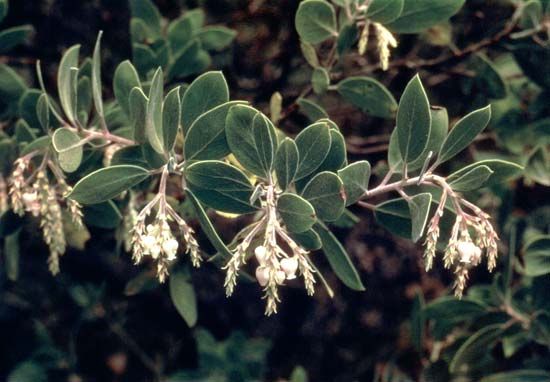
The climate of chaparral regions—characterized by hot, dry summers and mild, wet winters—exerts a profound influence on the evolution and structure of its vegetation. To survive these conditions, chaparral plants have developed several key adaptations:13
- Water Conservation: The vegetation is primarily sclerophyllous, meaning plants possess hard, leathery foliage that helps reduce water loss during the intense heat of summer.13
- Drought Resistance: In areas with particularly low rainfall or poor soil, plants have evolved to be highly drought-resistant, with species such as manzanita, chamise, and red shanks becoming dominant.1
- Fire Adaptation: The dry summer climate makes wildfires a natural and frequent occurrence. Many chaparral species rely on these fires to trigger seed germination, while the heat helps maintain the characteristic shrubby growth form by preventing the encroachment of trees.13
- Seasonal Growth: Most plant growth occurs during the wet winter and spring months, which dictates the movement patterns of local wildlife that rely on these areas for food.1
What are the main characteristics of plants in chaparral ecosystems?
Chaparral ecosystems are primarily composed of broad-leaved evergreen shrubs, bushes, and small trees that typically reach heights of less than 2.5 meters (about 8 feet). These plant communities are highly biodiverse and exhibit several distinct characteristics adapted to their environment:13
- Sclerophyllous Foliage: A defining feature is the presence of sclerophyll vegetation, which consists of hard, leathery leaves designed to minimize water loss during hot, dry summers.13
- Drought Resistance: In areas with limited rainfall or poor soil, plants have evolved to be highly drought-resistant. Common species include manzanita, chamise, red shanks, and mountain mahogany.1
- Fire Adaptation: Chaparral plants are well-adapted to wildfires. Many species require fire to trigger seed germination, and the heat helps maintain the shrubby growth form by preventing the encroachment of larger trees.1
- Growth Patterns: Most growth occurs during the wet winter and spring seasons.1
Sources
- Chaparral — Encyclopædia Britannica
- maquis — Encyclopædia Britannica
- Mediterranean vegetation — Encyclopædia Britannica
Published on · 3 min read