Artichoke
The artichoke (Cynara cardunculus, variety scolymus) is a thistlelike perennial native to the western and central Mediterranean and North Africa. While it is…
What is the history and origin of artichoke cultivation?
The artichoke (Cynara cardunculus, variety scolymus) is a thistlelike perennial native to the western and central Mediterranean and North Africa. While it is widely recognized today for its edible flower buds, the plant was originally domesticated and brought to the eastern Mediterranean in ancient times, where it was valued primarily for its young leaves.1
The modern edible flower form was first documented in Italy around 1400. Etymologically, the name derives from the Italian dialect articiocco, which traces back to the Arabic al-khurshūf. The plant is considered to be a descendant of the cardoon, a wild relative whose stalks and inner leaves are also consumed. Today, artichokes are cultivated extensively in regions with mild climates and rich soil, including the Americas and throughout the Mediterranean.12
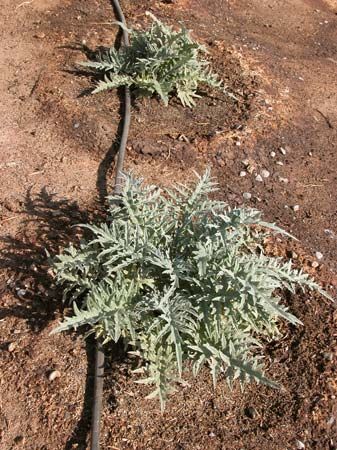
What parts of the artichoke plant are edible, and how do they differ?
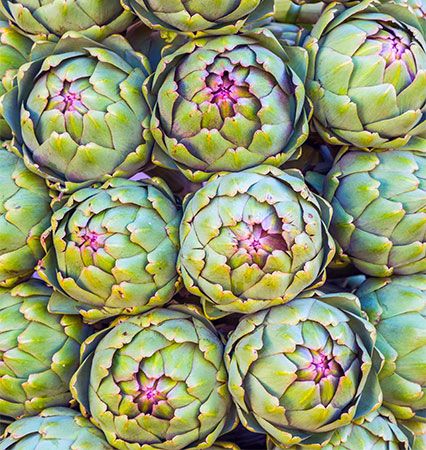
The edible portions of the artichoke (Cynara cardunculus, variety scolymus) are primarily found within its immature flower head. These parts differ in texture and preparation:
- Bracts: These are the thick, leathery, petal-like structures surrounding the flower head. The edible portion is the soft, fleshy base of each bract, which is typically scraped off with the teeth after the head has been boiled or steamed.1
- Heart (Receptacle): This is the base of the immature flower head to which the bracts are attached. It is considered a culinary delicacy due to its tender, nutlike flavor.1
- Inedible “Fuzz”: Located just above the heart, this consists of tiny, immature flowers. This portion must be removed before or after cooking, as it is not suitable for consumption.1
While the plant was historically valued for its young leaves, modern culinary use focuses almost exclusively on the flower buds. Smaller buds are generally the most tender, while larger ones contain more developed hearts.1
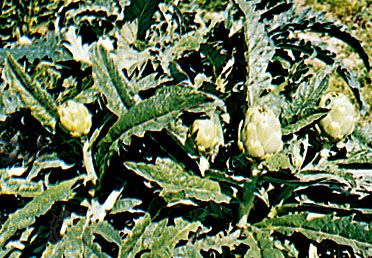
What is the botanical classification of the artichoke plant?
The artichoke is botanically classified as follows:
- Scientific Name: Cynara cardunculus, variety scolymus13
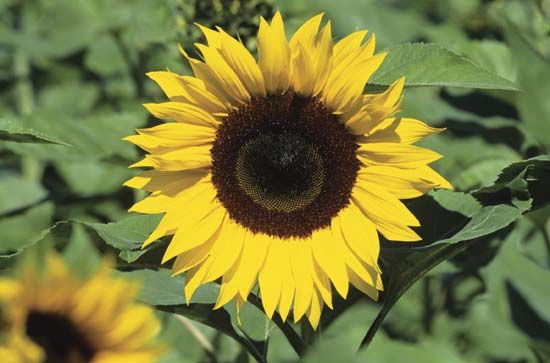
- Family: Asteraceae (the aster or sunflower family)13
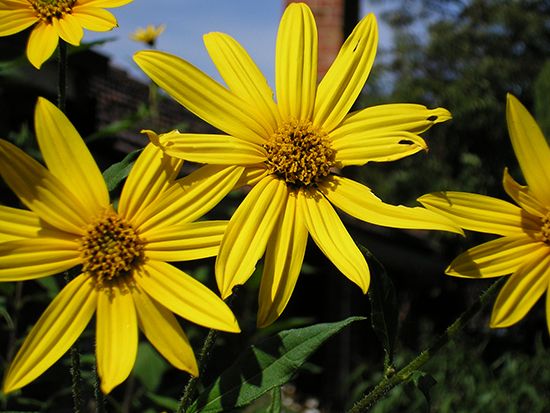
The plant is a large, thistlelike perennial that is closely related to the cardoon (Cynara cardunculus). While the artichoke is commonly treated as a variety of the cardoon, it is sometimes identified as a distinct species (C. scolymus). It is important to note that the Jerusalem artichoke (Helianthus tuberosus) is an entirely different plant grown for its tubers and is not related to the globe artichoke.1
What are the nutritional benefits of eating artichokes?
Artichokes are a nutritious addition to a diet, serving as a rich source of several essential nutrients. Specifically, they provide:
- Dietary fibre: Important for digestive health and maintaining regular bowel function.
- Potassium: An essential mineral that helps regulate fluid balance, muscle contractions, and nerve signals.
- Vitamin C: A vital antioxidant that supports immune function and skin health.1
Incorporating these vegetables into your meals can contribute to a balanced intake of these key vitamins and minerals.1
Sources
- Artichoke — Encyclopædia Britannica
- artichoke — Merriam-Webster
- list of plants in the family Asteraceae — Encyclopædia Britannica
- globe artichoke — Merriam-Webster
Published on · 2 min read