Chlorophytum
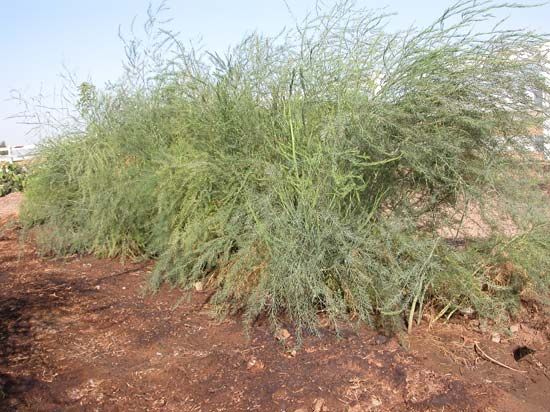
Chlorophytum is a genus of approximately 150 species of flowering plants belonging to the asparagus family (Asparagaceae). These perennial evergreen herbs…
What is Chlorophytum?
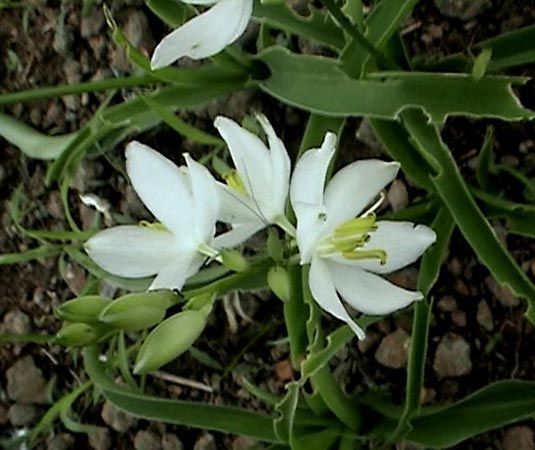
Chlorophytum is a genus of approximately 150 species of flowering plants belonging to the asparagus family (Asparagaceae). These perennial evergreen herbs are native to tropical and subtropical regions across Africa, Asia, and Australia.12
Characterized by fleshy, tuberous roots and basal leaves, these plants are often cultivated as ornamentals. The most well-known member of the genus is the spider plant (Chlorophytum comosum), a popular houseplant recognized for its long, green-and-white-striped foliage. Many species in this genus propagate through rhizomes or by producing clonal plantlets that can be detached and rooted to form new plants.123
How do spider plants reproduce using plantlets?
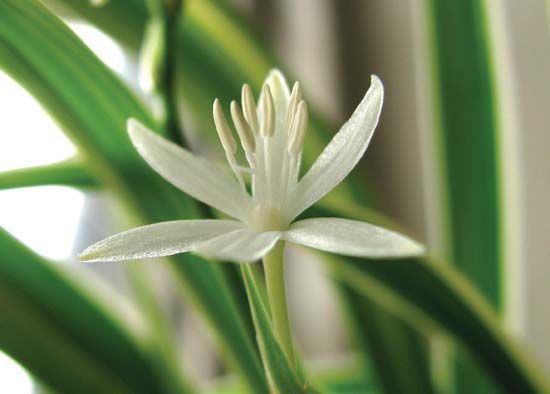
Spider plants (Chlorophytum comosum) reproduce vegetatively through a unique process involving specialized stems. Periodically, the plant produces long, arching stems that extend away from the main foliage.24
Along these stems, the plant develops tiny white flowers, which are eventually replaced by small, tufted plantlets. These miniature versions of the parent plant remain attached to the stem, hanging in the air. To propagate the spider plant, these plantlets can be detached once they have begun to develop their own small root systems. Once removed, they are placed in soil or water, where they can be rooted to grow into independent, mature plants.24
What are the benefits of keeping houseplants like Chlorophytum?
Keeping houseplants like Chlorophytum offers several benefits, primarily related to indoor air quality and aesthetic appeal.
Air Quality Improvement
Houseplants contribute to a healthier indoor environment by absorbing airborne pollutants. During their natural gas-exchange process, plants take in carbon dioxide and release oxygen. Furthermore, plants can transport toxins—often originating from cleaning products, upholstery, or tobacco smoke—down to their roots, where microbes effectively detoxify them. While experts note that the efficacy of air purification depends on the quantity and variety of plants used, incorporating a diverse mix of species is recommended to maximize these benefits.5
Aesthetic and Practical Value
Beyond air quality, Chlorophytum and other houseplants serve as popular ornamental additions to interior spaces. Many species, including the spider plant, are favored because they are hardy and capable of adapting to the challenging conditions of indoor environments, such as low light intensity and dry heat. Their ability to thrive in these settings makes them accessible choices for indoor gardening.16
What are rhizomes and how do they help plants grow?
A rhizome is a horizontal, typically subterranean plant stem that plays a vital role in a plant’s survival and growth. Unlike roots, rhizomes are characterized by the presence of nodes with reduced leaves and internodes.78
Rhizomes support plants in several key ways:
- Food Storage: They serve as storage organs for starches and proteins. This stored energy allows plants to perennate, or survive through unfavorable seasons such as extended winters or periods of drought.78
- Vegetative Reproduction: Rhizomes enable plants to propagate asexually. By sending up new shoots from their nodes, they allow the parent plant to spread and establish new colonies. Many economically significant plants, including bamboo, banana, and sugarcane, rely on this method for propagation.78
- Structural Foundation: In some species, such as ferns and water lilies, the rhizome acts as the primary stem, supporting the growth of leaves and flowers.7
Additionally, the rhizomes of certain plants, such as ginger, turmeric, and lotus, are edible and highly valued for culinary use.7
Sources
- Chlorophytum — Encyclopædia Britannica
- spider plant — Encyclopædia Britannica
- chlorophytum — Merriam-Webster
- spider plant — Merriam-Webster
- 11 Questions About Useful Plants Answered - Can houseplants help the quality of air in my house? — Encyclopædia Britannica
- houseplant - Types of houseplants — Encyclopædia Britannica
- rhizome — Encyclopædia Britannica
- angiosperm - Shoot system modifications — Encyclopædia Britannica
Published on · 3 min read