Aster
Asters are widely valued in gardening and landscaping primarily as ornamentals due to their showy, often fall-blooming flowers. While the term "aster" is…
How are asters used in gardening and landscaping?
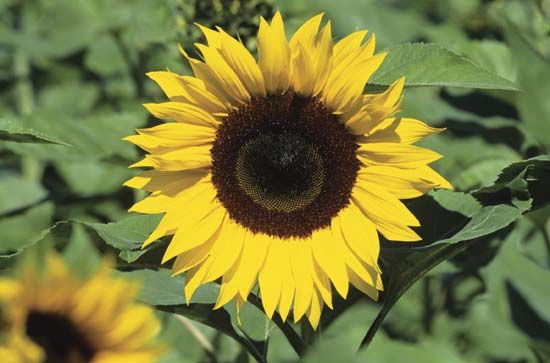
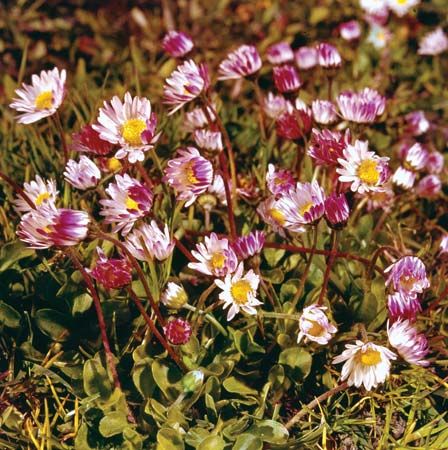
Asters are widely valued in gardening and landscaping primarily as ornamentals due to their showy, often fall-blooming flowers. While the term “aster” is used informally to describe various leafy-stemmed herbaceous plants in the Asteraceae family, many true species and related varieties are popular garden favorites.12
In landscape design, these plants are appreciated for their ability to provide color late in the growing season. Gardeners often incorporate species such as the New England aster (Symphyotrichum novae-angliae) and the Tatarian aster (Aster tataricus) for their aesthetic appeal. Additionally, other members of the Asteraceae family—such as Stokes’ aster (Stokesia)—are frequently utilized in garden settings for their distinct floral displays. Because the family is highly diverse and adaptable to various terrestrial habitats, including disturbed sites, many of these plants are relatively versatile in different garden environments.12
What is the taxonomic classification of aster plants?
The term “aster” is used informally to describe various leafy-stemmed herbaceous plants within the Asteraceae family. Taxonomically, this family belongs to the order Asterales, which is part of the core asterid clade within the euasterid II group of the Angiosperm Phylogeny Group III (APG III) classification system.34
While “true” asters belong to the genus Aster, molecular data has led to a significant taxonomic revision of the group. Many species previously classified under Aster—particularly those native to North America—have been reassigned to other genera, such as Symphyotrichum, Doellingeria, Eurybia, Ionactis, and Oclemena, to more accurately reflect their evolutionary lineages.1
The Asteraceae family itself is one of the largest plant families, comprising more than 1,620 genera and over 25,000 species. These plants are characterized by their compact inflorescences (heads) that resemble individual flowers, often featuring an outer row of florets with modified, petal-like corollas.42
Are there any medicinal or practical uses for aster plants?
While the genus Aster is primarily valued in gardening and landscaping as ornamentals, the broader Asteraceae family to which they belong contains many species with significant medicinal and practical applications.526
It is important to note that while many plants in this family are used for their chemical properties, they also produce a variety of secondary metabolites, such as bitter sesquiterpene lactones and various alkaloids, which can be toxic or biologically active. Practical and medicinal uses within the family include:2
- Medicinal Applications: Extracts from certain wormwood (Artemisia) species have been used to expel intestinal worms, and a sesquiterpene extracted from A. annua is a critical treatment for quinine-resistant malaria. Additionally, coneflower (Echinacea) is widely recognized as an herbal remedy.26
- Insecticides: Pyrethrum, a natural insecticide derived from the flowers of Tanacetum species, is valued for being an alternative to synthetic products.26
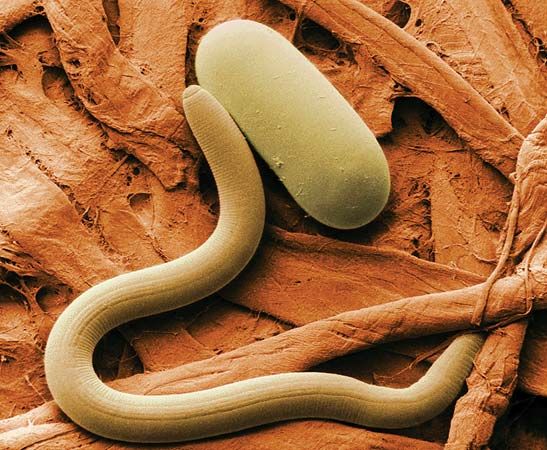
- Agricultural Utility: Marigolds (Tagetes) are used to control plant-parasitic nematodes in soil by releasing specific terpenoid compounds from their roots.2
How many different species of asters are there and where are they commonly found?
The term “aster” is used informally to describe a wide variety of herbaceous plants within the Asteraceae family. Because of this, the number of species depends on how strictly one defines the genus Aster.
Species Count and Classification
- True Asters: The genus Aster contains approximately 180 species, which are almost exclusively native to Eurasia. The alpine aster (A. alpinus) is the only species in this genus native to North America.1
- Taxonomic Revision: Due to molecular research, many plants previously labeled as “asters” have been reclassified into other genera to better reflect their evolutionary relationships. These include Symphyotrichum, Doellingeria, Eurybia, Ionactis, and Oclemena.1
- The Broader Family: The Asteraceae family itself is one of the largest plant families in the world, comprising more than 1,620 genera and over 25,000 species.74
Distribution
Members of the Asteraceae family are distributed globally and occur in nearly every terrestrial habitat. While they are most common as herbs in temperate and subtropical regions, they have adapted to diverse environments, including sand dunes, cliff crevices, and disturbed sites near human habitations.4
Sources
- Aster — Encyclopædia Britannica
- Asterales - Asteraceae — Encyclopædia Britannica
- Asterales — Encyclopædia Britannica
- Asteraceae — Encyclopædia Britannica
- Asteraceae - Economic importance — Encyclopædia Britannica
- list of economically important members of the family Asteraceae — Encyclopædia Britannica
- list of plants in the family Asteraceae — Encyclopædia Britannica
- prairie aster — Merriam-Webster
Published on · 3 min read