Atlantis
The myth of Atlantis originates from two philosophical dialogues written by the ancient Greek philosopher Plato: Timaeus and Critias.
What is the origin of the Atlantis myth in ancient Greek literature?
The myth of Atlantis originates from two philosophical dialogues written by the ancient Greek philosopher Plato: Timaeus and Critias.12
In these works, the story is presented as a conversation involving Socrates and the Athenian statesman Critias. According to the narrative, the story was originally told to the Greek statesman Solon by Egyptian priests, who claimed the island existed 9,000 years before Solon’s time.1
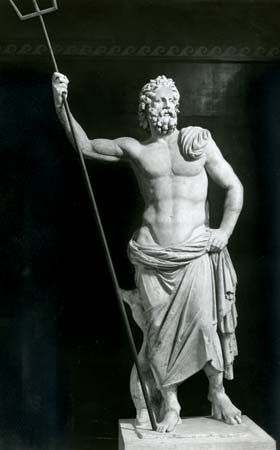
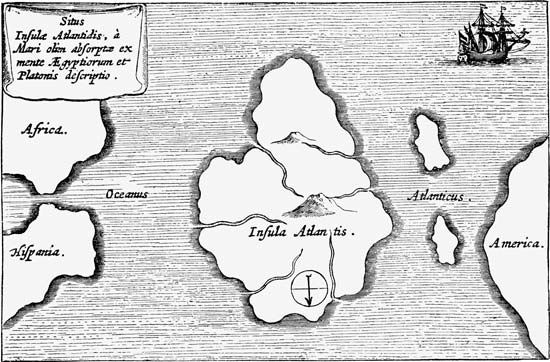
The dialogues describe Atlantis as a powerful, wealthy naval empire located beyond the Pillars of Hercules. It was said to be the domain of the sea god Poseidon, whose descendants eventually grew corrupt and power-hungry. After the Atlanteans launched a failed invasion of the Mediterranean, they were defeated by the Athenians and subsequently destroyed by Zeus through cataclysmic earthquakes and floods. Most scholars view the account as a parable created by Plato to illustrate his philosophical ideas regarding justice and the rise and fall of nations.1
Are there any similar ‘lost civilization’ myths from other cultures around the world?
While the legend of Atlantis is unique in its specific philosophical framing by Plato, many cultures possess myths of “lost” civilizations or societies destroyed by cataclysmic events, often centered around flood myths.
Flood Myths and Lost Worlds
Myths of a great deluge that wipes out a disobedient or corrupt population are widespread across Eurasia and the Americas. These stories often serve as a “reset” for humanity:
- Mesopotamian Traditions: In the Epic of Gilgamesh, the hero Utnapishtim survives a divine flood by building a massive boat, later achieving immortality. Similar accounts appear in the Eridu Genesis and the myth of Atrahasis.1
- Greek Tradition: Beyond Atlantis, Greek legend tells of Deucalion, who built an ark to survive a flood sent by Zeus to destroy humanity.1
- Indian Mythology: The figure Manu is warned by a fish (an incarnation of Lord Vishnu) of an impending flood and builds a boat to preserve human life.1
- Aztec Beliefs: The Aztec cosmology describes four previous “suns” or worlds, each destroyed by catastrophe. The fourth, known as “Four-Water,” ended in a massive flood.1
Historical “Lost” Civilizations
Unlike the purely mythological Atlantis, some civilizations truly disappeared, leaving behind mysteries that have fueled speculation:
- The Indus Civilization: One of the largest ancient societies, it vanished approximately 3,000 years ago, likely due to climate change and drought.3
- The Khmer Empire: Once centered at Angkor, this empire declined between 1000 and 1200 CE, with its cities eventually reclaimed by the jungle.3
- The Maya and Mississippians: Both civilizations experienced dramatic declines attributed to combinations of warfare, environmental degradation, and climate-induced famine.3
Additionally, concepts like Lemuria were once proposed as hypothetical continents in the Indian Ocean, though these lack the ancient literary roots of the Atlantis legend.4
What were the main features of Atlantis as described by Plato?
In his dialogues Timaeus and Critias, Plato describes Atlantis as a vast, wealthy island empire located beyond the Pillars of Hercules.16
Key features of the civilization included:
- Geography and Origins: The island was said to be larger than Asia Minor and Libya combined. It was the domain of the sea god Poseidon, who protected his mortal love, Cleito, by surrounding her home with alternating rings of land and water.16
- Governance: The island was ruled by the descendants of Poseidon and Cleito, with the eldest son, Atlas, serving as the primary king.1
- Prosperity: Atlantis was characterized by abundant natural resources, extensive trade, and a capital city featuring a temple to Poseidon and Cleito enclosed in gold.1
- Moral Decline and Fall: Initially virtuous, the Atlanteans eventually succumbed to greed and ambition, launching wars of conquest. Following their defeat by Athens, Zeus punished their moral decay with cataclysmic earthquakes and floods, causing the island to sink into the sea.1
What is the significance of the Pillars of Hercules in ancient geography?
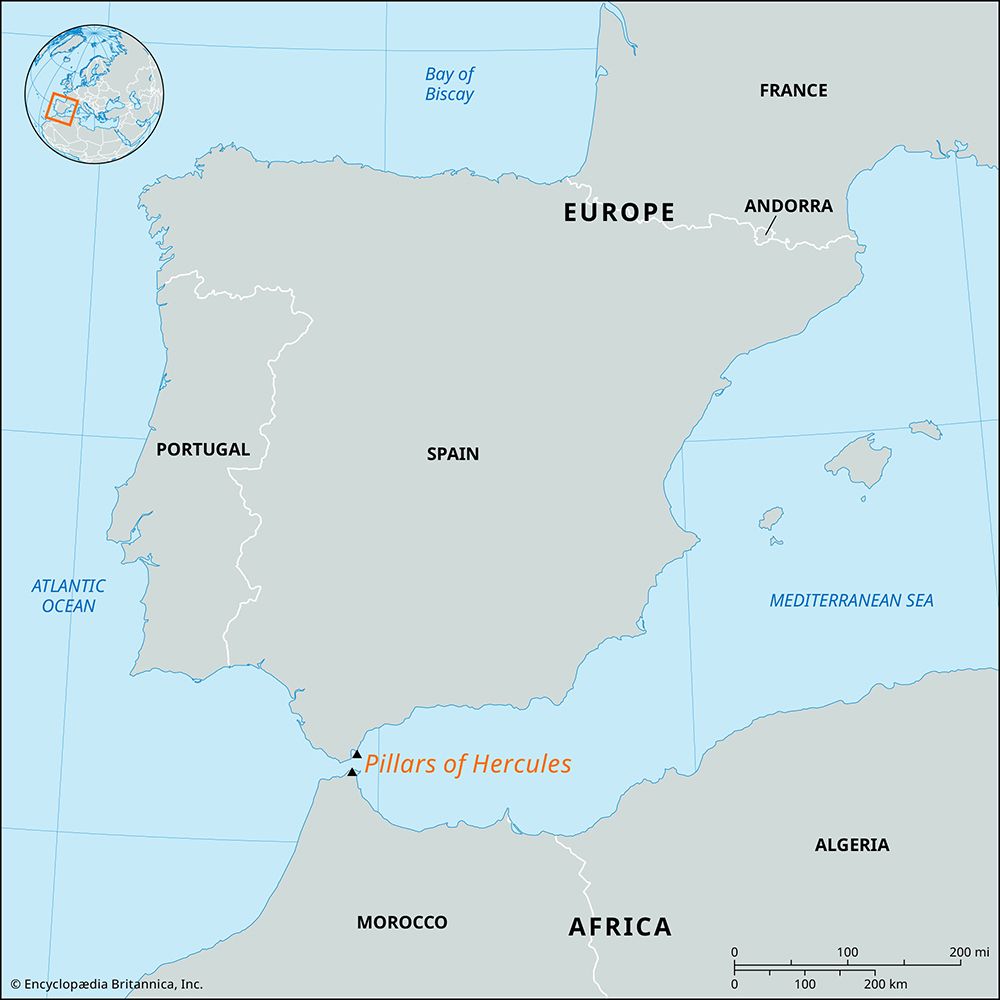
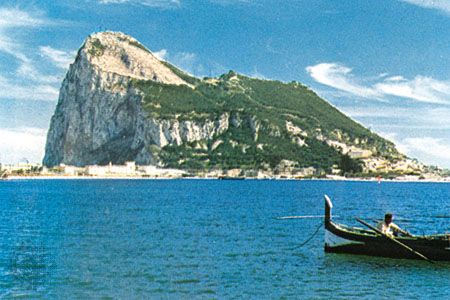
The Pillars of Heracles (or Hercules) are two promontories located at the eastern end of the Strait of Gibraltar, serving as a significant landmark in ancient geography. The northern pillar is the Rock of Gibraltar, while the southern pillar is identified as either Jebel Moussa in Morocco or Mount Hacho near Ceuta.718
Their significance in the ancient world included:
- Geographic Boundary: The pillars marked the western limit of the known Classical world. Beyond this point lay the vast, often mysterious Atlantic Ocean.91
- Mythological Origin: Fabled to have been created by Heracles during his 12 Labours, the pillars stood as a memorial to his journey to seize the cattle of the giant Geryon.7
- Literary and Philosophical Context: In the dialogues of Plato, the pillars served as a crucial geographic reference point, marking the threshold beyond which the legendary island of Atlantis was said to exist.9
- Strategic Importance: As the gateway between the Mediterranean Sea and the Atlantic, the strait has historically been a vital shipping route of immense economic and military value.1
Sources
- Atlantis — Encyclopædia Britannica
- Plato - Late dialogues of Plato — Encyclopædia Britannica
- flood myth — Encyclopædia Britannica
- 6 Lost Civilizations — Encyclopædia Britannica
- Lemurian — Merriam-Webster
- Atlantis: Top Questions — Encyclopædia Britannica
- Pillars of Heracles — Encyclopædia Britannica
- Strait of Gibraltar — Encyclopædia Britannica
- Pillars of Hercules — Merriam-Webster
Published on · 4 min read