Attawapiskat River
The Attawapiskat River is a 465-mile (748-km) waterway located in northern Ontario, Canada. It originates at Attawapiskat Lake, which sits at an elevation of…
What is Attawapiskat River?
The Attawapiskat River is a 465-mile (748-km) waterway located in northern Ontario, Canada. It originates at Attawapiskat Lake, which sits at an elevation of 815 feet (248 meters), and flows eastward until it empties into James Bay, directly opposite Akimiski Island.12
For the majority of its length, the river is characterized by a sluggish current, making it navigable primarily by canoe. As the river nears its mouth, the landscape transitions into swampy terrain filled with numerous islands. The surrounding region is largely uninhabited, with human presence limited to the trading post of Lansdowne House near the lake and the community of Attawapiskat situated near the river’s mouth.1
What is the geography of James Bay?
James Bay is a shallow southern extension of Hudson Bay, situated between the Canadian provinces of Ontario and Quebec. It spans approximately 275 miles (443 km) in length and 135 miles (217 km) in width, with depths generally remaining under 200 feet (60 m).3
The geography of the bay is defined by several key features:
- Islands: The bay contains numerous islands, all of which are administered by the Northwest Territories. The largest of these is Akimiski Island, covering 1,159 square miles (3,002 square km).3
- Hydrology: The bay receives water from many rivers, including the La Grande, Eastmain, Rupert, Broadback, Nottaway, Harricana, Moose, Albany, Attawapiskat, and Ekwan. The influx of these rivers is responsible for the bay’s low salinity.3
- Coastline: The shores are characterized by forested terrain. Notable settlements along the coast include Moose Factory, Moosonee, and various trading posts such as Fort Albany and Attawapiskat.3
The region experiences a severe continental climate, and the surrounding lowlands are often marshy, featuring permafrost and vegetation such as dwarf birch, willow, and moss.4
How do rivers in northern Ontario support local wildlife?
Rivers in northern Ontario play a vital role in supporting local wildlife by providing essential habitats and serving as critical corridors for migration and reproduction. These waterways, which include major systems like the Severn, Winisk, and Albany, drain into the Hudson Bay basin, creating a landscape of marshy lowlands and forested shores that sustain diverse species.56
The ecological support provided by these rivers includes:
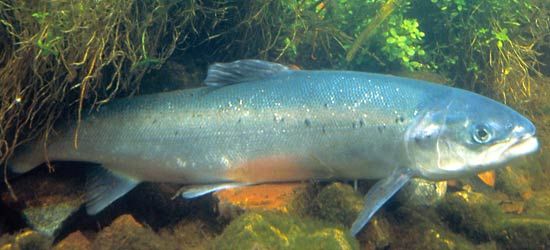
- Spawning Grounds: Many fish species, including salmon, rely on these rivers to migrate and spawn, ensuring the continuation of their populations.6
- Food Sources: The rivers and their associated wetlands support a variety of invertebrates, which form the base of the local food web, ultimately sustaining larger animals such as birds and mammals.6
- Nesting and Migration: The coastal areas where these rivers meet James Bay provide crucial nesting grounds for numerous bird species, including geese, swans, and various shorebirds, while also serving as important stopover points during seasonal migrations.36
- Wildlife Habitat: The surrounding marshy lowlands and coniferous forests provide shelter and foraging grounds for herbivorous mammals like caribou and musk oxen, as well as various fur-bearing animals.6
What is the history of the Attawapiskat First Nation?
Sorry, the Britannica knowledge base does not contain information regarding the history of the Attawapiskat First Nation. The available records only provide geographical details concerning the Attawapiskat River and its location in northern Ontario.
Sources
- Attawapiskat River — Encyclopædia Britannica
- Attawapiskat — Merriam-Webster
- James Bay — Encyclopædia Britannica
- Hudson Bay — Encyclopædia Britannica
- Great Lakes - Plant and animal life — Encyclopædia Britannica
- Ontario - Drainage — Encyclopædia Britannica
- Moose River — Encyclopædia Britannica
- Great Lakes - Hydrology and climate — Encyclopædia Britannica
- Ontario - Agriculture, forestry, and fishing — Encyclopædia Britannica
- Ottawa River — Encyclopædia Britannica
Published on · 2 min read