Food Web
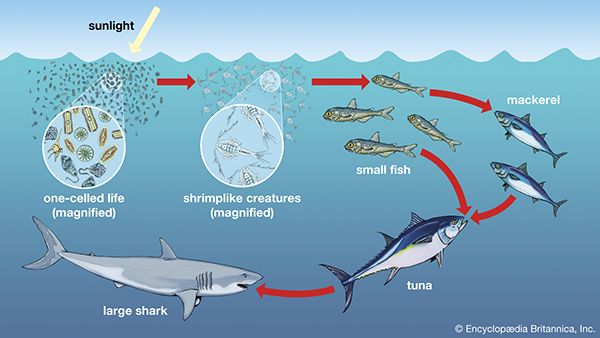
A food web is a complex network of interconnecting and overlapping food chains that illustrates the feeding relationships within an ecosystem. While a food…
What is a food web in ecology?
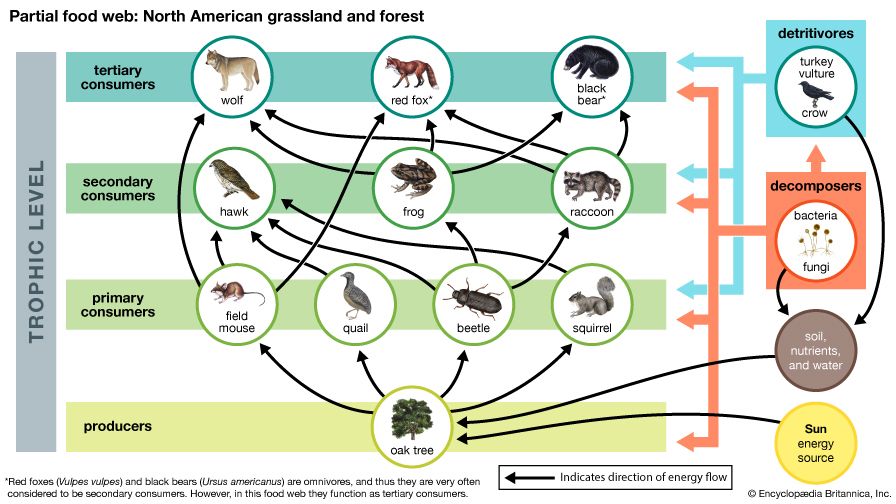
A food web is a complex network of interconnecting and overlapping food chains that illustrates the feeding relationships within an ecosystem. While a food chain represents a single, linear path of energy transfer from one organism to another, a food web demonstrates that most organisms consume or are consumed by multiple species, creating a highly intricate structure.12
Within these webs, organisms are categorized by their trophic level:
- Producers (Autotrophs): The base of the web, such as plants and algae, which produce their own food via photosynthesis.13
- Consumers (Heterotrophs): Organisms that rely on others for nourishment, including herbivores (primary consumers), carnivores, and omnivores.13
- Decomposers and Detritivores: Organisms like fungi and bacteria that break down dead material, recycling nutrients back into the ecosystem.13
Food webs are essential for understanding ecological resilience, as the complexity of these interactions helps ecosystems maintain stability and recover from disturbances.4
How is a food web different from a food chain?
The primary difference between a food chain and a food web lies in their complexity and the way they represent energy flow within an ecosystem.
- Food Chain: This is a linear, simplified sequence that tracks the transfer of matter and energy from one organism to another. It typically consists of only three or four trophic levels, as energy is lost as heat at each step.61
- Food Web: This is a complex, interconnected network of multiple overlapping food chains. It provides a more accurate representation of an ecosystem because most organisms consume—or are consumed by—more than one species.71
While a food chain follows a single path, a food web accounts for the reality that many animals have diverse diets, eat different foods at various life stages, and may feed at multiple trophic levels simultaneously. Consequently, food webs illustrate the intricate web of relationships that maintain community stability, whereas food chains serve as a basic model for understanding individual energy pathways.71
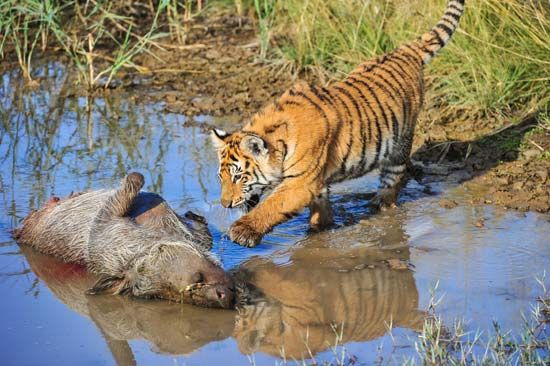
What types of organisms are found at different levels in a food web?
Organisms within a food web are categorized into specific trophic levels based on their feeding behavior and how they obtain energy.12
Producers
At the base of the food web are producers, or autotrophs. These organisms, such as plants, algae, and phytoplankton, create their own food using sunlight through photosynthesis or, in rare cases, chemical energy.18
Consumers
Consumers, or heterotrophs, depend on other organisms for nourishment and are divided into levels:
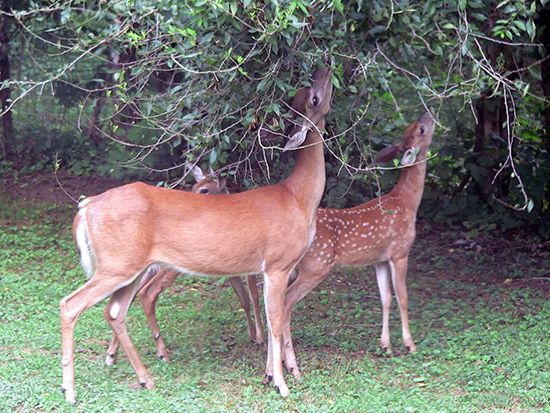
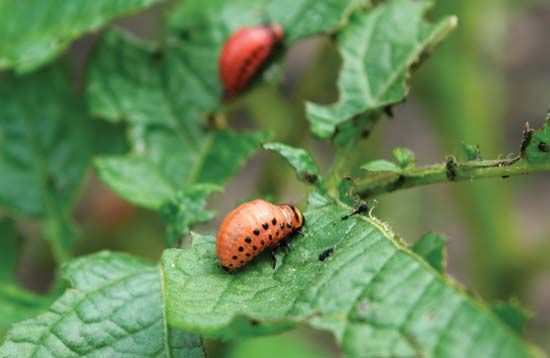
- Primary Consumers: These are herbivores that feed directly on producers. Omnivores may also function as primary consumers if their diet consists exclusively of plant material.12
- Secondary Consumers: These are carnivores or omnivores that prey on primary consumers.12
- Tertiary Consumers: Often large carnivores or apex predators, these organisms prey on secondary consumers.1
Decomposers and Detritivores
These organisms play a critical role in recycling nutrients. Detritivores consume dead organic material, while decomposers—such as bacteria and fungi—break down waste and remains into basic inorganic compounds that producers can use again.12
How do producers, consumers, and decomposers interact in a food web?
In a food web, producers, consumers, and decomposers interact through the continuous flow of energy and the cycling of nutrients within an ecosystem.111
Energy Flow and Consumption
- Producers (Autotrophs): These organisms, such as plants and algae, form the base of the food web. They harness solar energy through photosynthesis to create organic compounds, which serve as the primary energy source for the rest of the community.11121
- Consumers (Heterotrophs): These organisms cannot produce their own food and must rely on producers or other consumers for nourishment. As energy moves from producers to primary, secondary, and tertiary consumers, a significant portion—often 80 to 90 percent—is lost as heat due to metabolic processes.111
Nutrient Cycling
- Decomposers and Detritivores: These organisms act as the final link in the food chain. They break down dead organic matter and waste into smaller inorganic compounds, such as nitrogen and carbon. By recycling these materials back into the environment, they provide the essential nutrients that producers require for growth, thereby sustaining the cycle of life.121
Sources
- food web — Encyclopædia Britannica
- trophic level — Encyclopædia Britannica
- food web — Merriam-Webster
- ecological resilience — Encyclopædia Britannica
- community ecology - Food chains and food webs — Encyclopædia Britannica
- food chain — Encyclopædia Britannica
- trophic pyramid — Encyclopædia Britannica
- Feeding behaviour - Types of food procurement — Encyclopædia Britannica
- autotroph — Encyclopædia Britannica
- detritus — Encyclopædia Britannica
- community ecology - Autotrophs and heterotrophs — Encyclopædia Britannica
- ecosystem — Encyclopædia Britannica
Published on · 3 min read