Bell Pepper
The bell pepper (Capsicum annuum) is a cultivar of the pepper plant within the nightshade family. Grown as an annual, it is cultivated for its thick, mild…
What is bell pepper?
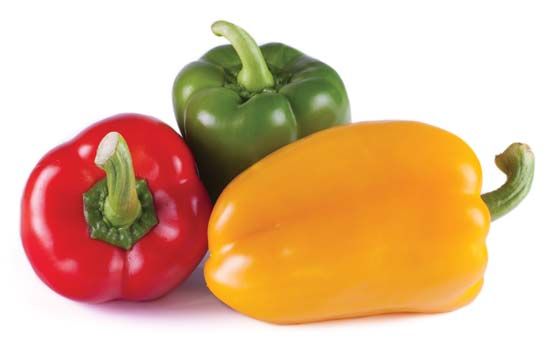
The bell pepper (Capsicum annuum) is a cultivar of the pepper plant within the nightshade family. Grown as an annual, it is cultivated for its thick, mild fruits, which are botanically classified as berries. These fruits can appear in green, red, yellow, or orange varieties and are rich in vitamin A and vitamin C.1
A common misconception is that bell peppers have a gender based on the number of lobes on their base. In reality, bell peppers are not male or female; they are simply the ripened ovaries of a flower that contains both male and female reproductive structures. The number of lobes is determined by genetics and environmental factors—such as temperature and water availability—rather than sex, and sweetness is primarily a result of the fruit’s ripeness.2
What is the Scoville scale used for?
The Scoville scale is a measurement system used to quantify the spiciness or heat of chili peppers and other spicy foods based on their concentration of capsaicin. Created by American pharmacist Wilbur Scoville in the early 1900s, the scale assigns a value in Scoville Heat Units (SHU) to indicate the level of pungency.345
The process involves diluting an extract of a pepper in sugar water until a panel of trained testers can no longer perceive any heat. Because it relies on human sensory perception, the scale is considered subjective and can be affected by tester sensitivity and sensory fatigue. The scale is linear, meaning a pepper with a higher SHU is proportionally hotter than one with a lower rating.45
Pepper Type
Typical SHU Range
Bell pepper
0
Poblano
1,000–2,000
Jalapeño
2,500–8,000
Cayenne pepper
30,000–50,000
Habanero
100,000–350,000
Ghost pepper
1,000,000+
Are there other common vegetables that are botanically classified as fruits?
Botanically speaking, a fruit is the ripened ovary of a seed-bearing plant, serving as the vessel for its seeds. While we often categorize produce as “vegetables” in a culinary or nutritional context—typically because they are savory rather than sweet—many common grocery store staples are technically fruits.67
Any plant part that develops from a flower and contains seeds qualifies as a fruit. Common examples include:67
- Squash and Gourds: This includes zucchini, pumpkins, and chayote.8
- Nightshades: Beyond tomatoes, both eggplants and peppers are botanical fruits.68
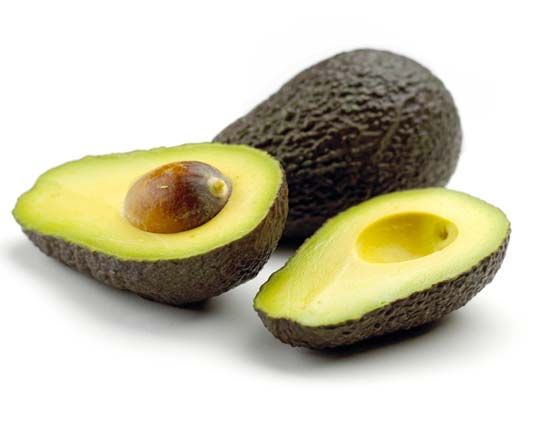
- Legumes and Others: Green beans, cucumbers, okra, avocados, and even corn are classified as fruits because they house the plant’s seeds.68
In contrast, true vegetables are the edible parts of a plant that are not reproductive bodies, such as roots (carrots), stems (celery), or leaves (lettuce).78
How do plants reproduce if they have both male and female structures?
Many plants are bisexual, or monoecious, meaning they possess both male and female reproductive structures on the same individual. While this allows for the potential of self-fertilization, many plants have evolved sophisticated mechanisms to encourage cross-pollination, which promotes genetic diversity.91011
To prevent self-fertilization, plants utilize several strategies:
- Dichogamy: This is a temporal barrier where the male and female structures mature at different times. In protandry, the stamens (male) ripen before the pistils (female), while in protogyny, the pistils mature first.11
- Structural Barriers: Some plants use heterostyly, where the physical arrangement of the style and stamens varies between flowers, making it difficult for pollen to be transferred within the same bloom.11
- Chemical Self-Incompatibility: Plants can possess genetic mechanisms that prevent pollen from germinating or growing a pollen tube if it originates from the same plant.12
When pollination is successful, pollen is transferred to the stigma, where it grows a tube to reach the ovule for fertilization.139
Sources
- bell pepper — Encyclopædia Britannica
- Are There Male and Female Bell Peppers? — Encyclopædia Britannica
- Scoville scale: Top Questions — Encyclopædia Britannica
- Scoville scale — Encyclopædia Britannica
- Capsaicin — Encyclopædia Britannica
- Is a Tomato a Fruit or a Vegetable? — Encyclopædia Britannica
- Fruit vs. Vegetable — Merriam-Webster
- list of vegetables — Encyclopædia Britannica
- Pollination - Chemical — Encyclopædia Britannica
- Pollination - Structural — Encyclopædia Britannica
- Pollination — Encyclopædia Britannica
- sexual reproduction — Encyclopædia Britannica
- Do Plants Have Sexes? — Encyclopædia Britannica
Published on · 3 min read