Awash River
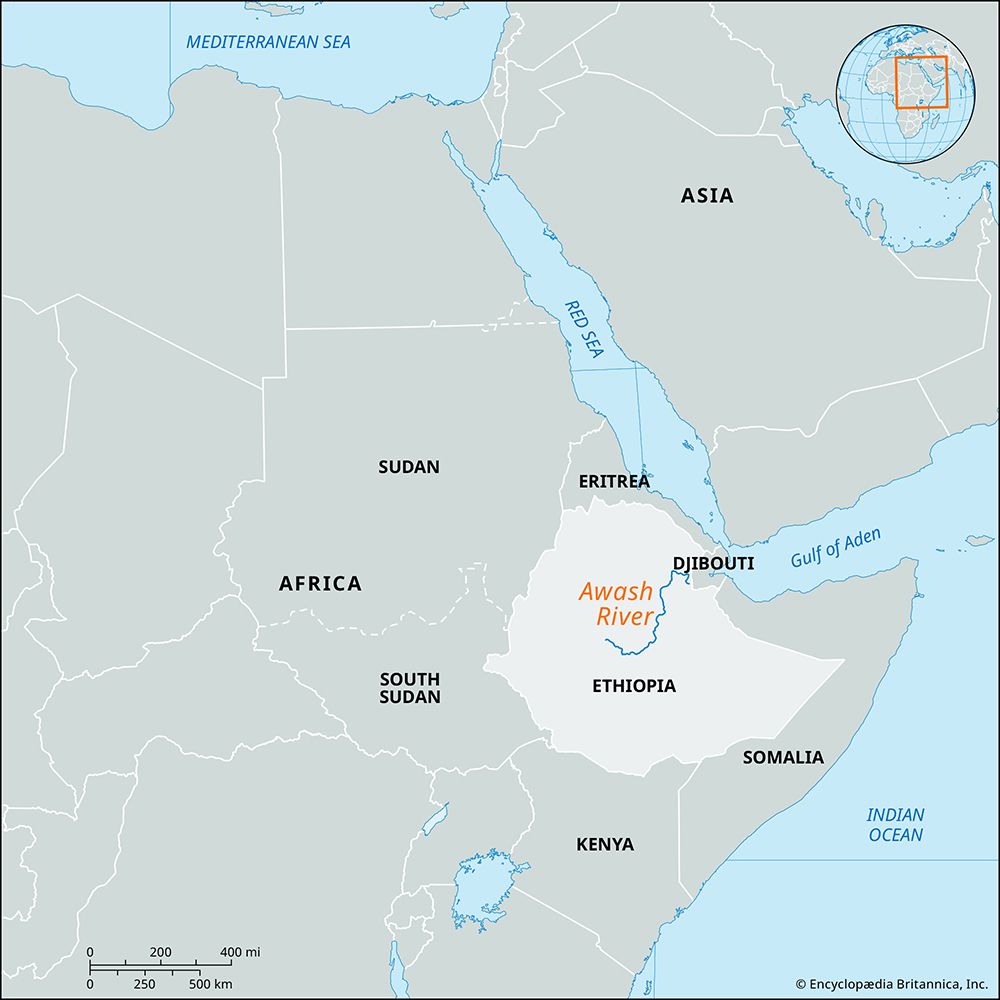
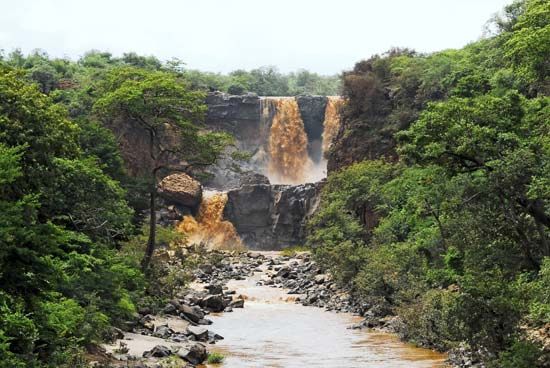
The Awash River is a significant waterway located in eastern Ethiopia. It serves as a primary component of the Rift Valley internal drainage system.
What is Awash River?
The Awash River is a significant waterway located in eastern Ethiopia. It serves as a primary component of the Rift Valley internal drainage system.12
Rising on the steep northern escarpment of the Eastern Rift Valley, the river follows a northeasterly course for approximately 750 miles (1,200 km). It is fed by several bodies of water, including Lakes Shala, Abiyata, Langano, and Ziway. Ultimately, the river terminates in the Denakil Plain, where it dissipates into a series of salt lakes, swamps, and Lake Abe near the border with Djibouti.12
The river is vital to the region’s economy and ecology. Its fertile valley supports cotton cultivation, and the Koka Dam, constructed in 1960, provides essential hydroelectric power. Additionally, the Awash National Park protects diverse wildlife, including herds of antelope and gazelle.1
What is the Great Rift Valley?
The Great Rift Valley—often referred to simply as the Rift Valley—is the main branch of the East African Rift System. It is a massive geological depression that stretches approximately 4,000 miles (6,400 km) from the Jordan River valley in southwestern Asia southward through eastern Africa to central Mozambique Asia southward through eastern Africa to central Mozambique.3
This system marks a series of geologic faults at the boundaries of tectonic plates and has been forming for roughly 30 million years as the African and Arabian plates separated. The valley is characterized by:43
- Topography: It averages 30–40 miles (48–64 km) in width, with adjacent plateaus sloping upward to provide drops of 2,000 to 3,000 feet (600 to 900 m) to the valley floor, sometimes exceeding 9,000 feet (2,700 m) at specific escarpments.4
- Volcanism: The process has been accompanied by extensive volcanic activity, resulting in the formation of major massifs like Mount Kilimanjaro and Mount Kenya.4
- Hydrology: The rift contains numerous deep, fjordlike lakes, including Lake Turkana, Lake Naivasha, and Lake Magadi), and Lake Magadi.35
What animals live in Awash National Park?
Awash National Park is home to various wildlife species that thrive within the Rift Valley ecosystem. According to available records, the park is specifically noted for supporting:
- Antelope: Various species of these bovids inhabit the area.7
- Gazelle: These agile antelopes are also found within the park’s boundaries.7
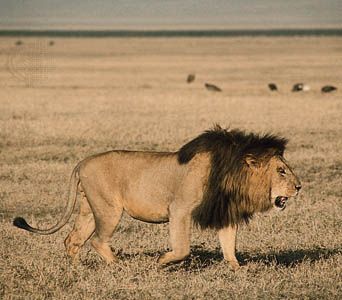
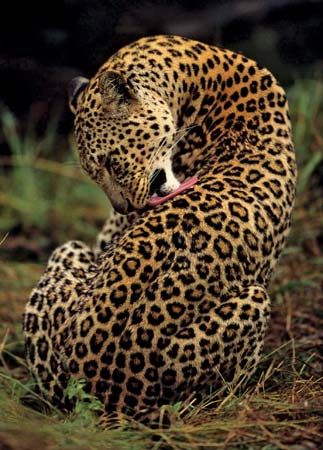
While the broader region of Ethiopia contains a wider array of wildlife—including lions, leopards, elephants, giraffes, and various monkeys—the provided information specifically highlights antelope and gazelle populations for Awash National Park.17
How does the Koka Dam generate electricity?
The Koka Dam, located on the Awash River in Ethiopia, generates electricity through the process of hydroelectric power production.
Like other hydroelectric facilities, the dam functions by impounding the river to create a reservoir, which stores water at a higher elevation. This water is then directed downward through large pipes or tunnels known as penstocks. As the water falls, its potential energy is converted into mechanical energy that rotates turbines. These turbines are connected to generators, which convert that mechanical energy into electricity. Finally, transformers adjust the voltage for efficient long-distance transmission to power industries and cities.819
Sources
- Awash River — Encyclopædia Britannica
- Ethiopia - Drainage — Encyclopædia Britannica
- East African Rift System — Encyclopædia Britannica
- East African lakes — Encyclopædia Britannica
- Great Rift Valley — Encyclopædia Britannica
- Great Rift Valley — Merriam-Webster
- Ethiopia - Plant and animal life — Encyclopædia Britannica
- hydroelectric power — Encyclopædia Britannica
- Ethiopia - Resources and power — Encyclopædia Britannica
Published on · 2 min read