Ayrshire
Ayrshire is a historic county located in southwestern Scotland, named after its historic county town, Ayr. Today, the area is divided into three council…
What is Ayrshire?
Ayrshire is a historic county located in southwestern Scotland, named after its historic county town, Ayr. Today, the area is divided into three council areas: South Ayrshire, East Ayrshire, and North Ayrshire, with a small portion in the south belonging to Dumfries and Galloway.1
The region is characterized by a concave coastline along the Firth of Clyde and rises toward the Southern Uplands in the east. Historically, it has been a significant site for Scottish independence, serving as a base for figures like Sir William Wallace and Robert the Bruce. Economically, the region has a long history of agriculture, coal mining, and manufacturing.1
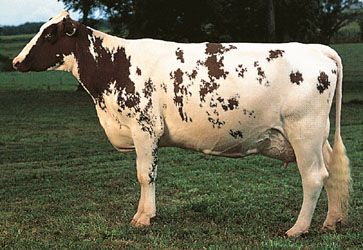
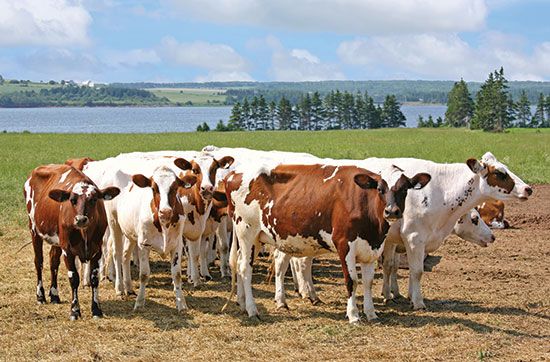
Additionally, the term “Ayrshire” refers to a breed of hardy dairy cattle that originated in the region, typically recognized by their red or brown and white markings.2
Who was Robert Burns and why is he important to Scotland?
Robert Burns (1759–1796) is celebrated as the national poet of Scotland, often referred to as the “national bard.” Born in Alloway, he gained renown for his prolific contributions to Scottish literature, writing hundreds of lyrics and songs in both Scots and English.456
Burns is important to Scotland for several reasons:
- Cultural Legacy: He is a central figure in Scottish identity, with his life and works honored annually on January 25 during Burns Night. These celebrations often feature a traditional Burns Supper with haggis and the recitation of his poetry.67
- Literary Impact: His works, such as the mock-heroic poem “Tam o’ Shanter” and the world-famous song “Auld Lang Syne,” remain deeply embedded in global culture.46
- Social Commentary: Burns was a vocal critic of the social, religious, and political injustices of his time. His experiences with his father’s financial struggles shaped his role as a satirist and a champion of humanitarian values.8
What are the characteristics of the Ayrshire breed of cattle?
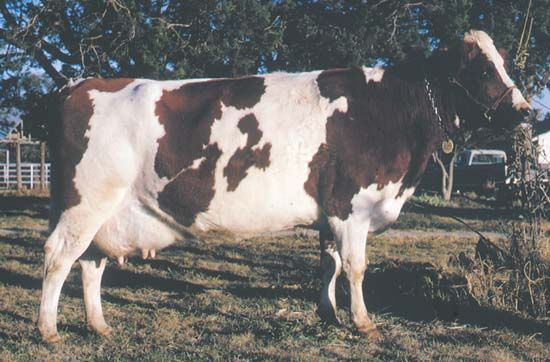
The Ayrshire is a hardy breed of dairy cattle that originated in the county of Ayr, Scotland, during the late 18th century. It is recognized as the only specialized dairy breed to have developed in the British Isles.9
Key characteristics of the breed include:
- Physical Appearance: They possess a deep, fleshy body. Their coat color varies from almost pure white to shades of cherry red or brown, typically appearing in combinations of these colors. Black or brindle markings are considered undesirable.910
- Hardiness: The breed is widely noted for being particularly hardy, which has contributed to its successful distribution across many temperate regions globally, including the United States and Canada.910
- Utility: While they are a major commercial dairy breed, their beef qualities are considered to be of secondary importance.9
What role did William Wallace play in Scottish history?
William Wallace (c. 1270–1305) is one of Scotland’s most revered national heroes, recognized for his pivotal role in leading the resistance against English rule during the late 13th century11.11
Following King Edward I’s deposition of the Scottish king John de Balliol in 1296, Wallace emerged as a primary leader of the Scottish revolt. His most significant military achievement was the Battle of Stirling Bridge in 1297, where he and Andrew de Moray decisively defeated a larger English force, effectively freeing much of Scotland from occupation.1112
Following this victory, Wallace was knighted and served as the Guardian of Scotland, working to reorganize the nation’s military and political affairs. However, after his defeat at the Battle of Falkirk in 1298, he resigned his guardianship. Wallace was eventually captured in 1305, taken to London, and executed for treason—a charge he denied, as he had never sworn allegiance to the English king. While many popular stories about his life originate from a 15th-century romance by Harry the Minstrel, his historical legacy as a symbol of Scottish independence remains profound.111213
Sources
- South Ayrshire — Encyclopædia Britannica
- Ayrshire — Merriam-Webster
- Ayrshire — Encyclopædia Britannica
- Robert Burns: Top Questions — Encyclopædia Britannica
- Robert Burns — Encyclopædia Britannica
- Robert Burns - Life — Encyclopædia Britannica
- The Haggis! Burns Night in Scotland — Encyclopædia Britannica
- Scotland - Daily life and social customs — Encyclopædia Britannica
- Ayrshire — Encyclopædia Britannica
- Dairy cattle breeds — Encyclopædia Britannica
- William Wallace: Top Questions — Encyclopædia Britannica
- William Wallace — Encyclopædia Britannica
- Battle of Stirling Bridge — Encyclopædia Britannica
Published on · 3 min read