Bactrian Camel
The Bactrian camel (Camelus bactrianus) is a large, two-humped mammal native to the steppes and arid regions of Eurasia. It is distinguished from the…
What is Bactrian camel?
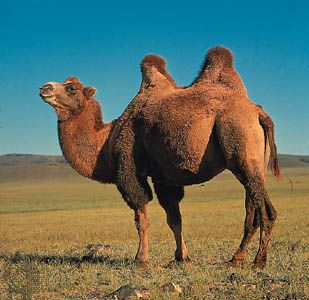
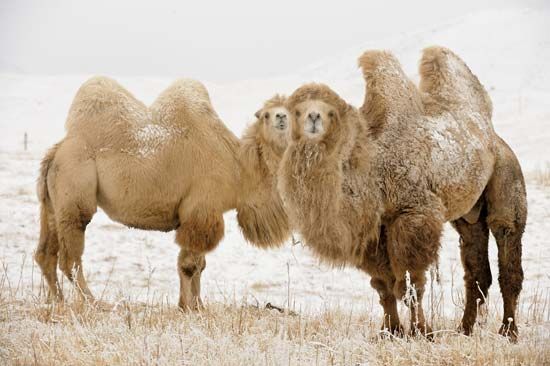
The Bactrian camel (Camelus bactrianus) is a large, two-humped mammal native to the steppes and arid regions of Eurasia. It is distinguished from the single-humped Arabian camel by its shorter stature, longer hair, and the presence of two back humps, which store fat that can be converted into energy during periods of food or water scarcity.12
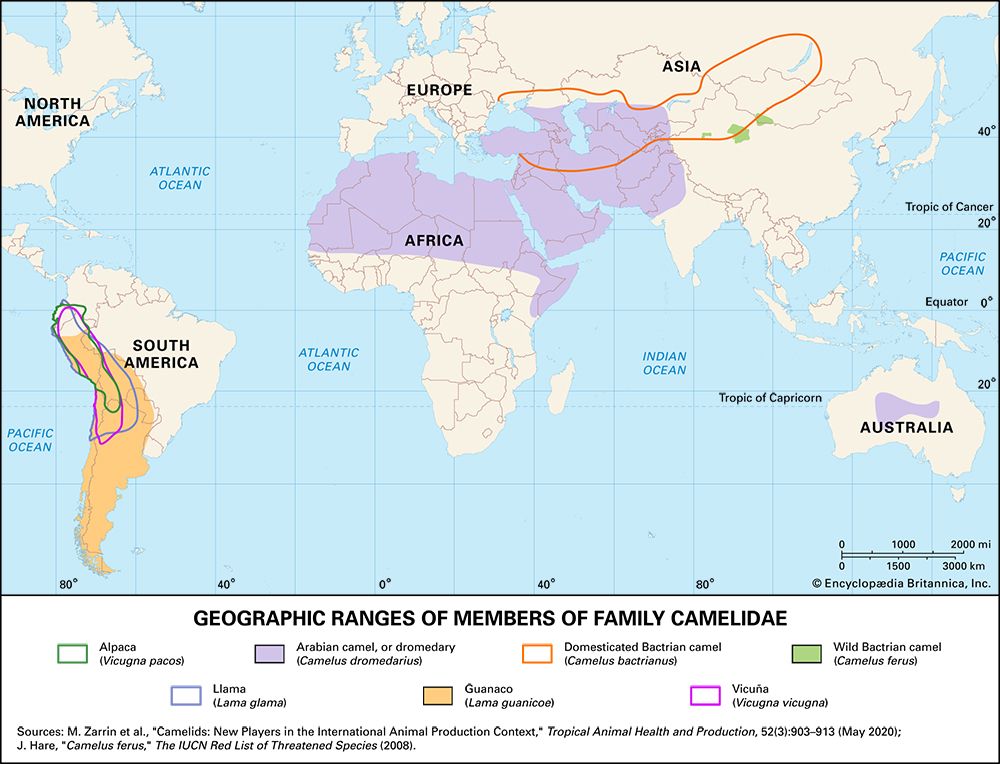
There are two distinct types: the domesticated Bactrian camel, which is widely distributed across Central Asia, and the wild Bactrian camel (C. ferus), a critically endangered species found only in small pockets of China and Mongolia. Domesticated populations have been essential to nomadic life for thousands of years, serving as reliable pack animals for trade routes like the Silk Road.1
These animals are remarkably adapted to harsh environments, capable of enduring extreme temperatures and dehydration by minimizing water loss and consuming vegetation that other livestock avoid. They are the heaviest members of the Camelidae family, weighing up to 1,000 kg.12
How do camels store fat in their humps to survive without food?
Contrary to a common misconception, camel humps do not store water; they are specialized reservoirs for fatty tissue. When food is scarce, camels metabolize this stored fat to provide necessary nourishment.32
The concentration of fat in the humps serves two critical survival functions:
- Energy Source: During periods of food deprivation, the body breaks down the stored fat for energy. As these reserves are depleted, the humps may sag or deflate, but they return to an upright position once the animal is able to refuel.32
- Thermoregulation: By localizing fat in the humps rather than distributing it throughout the body, camels minimize heat insulation across the rest of their frame. This allows body heat to dissipate more effectively during the day, helping the animal manage extreme desert temperatures.32
Additionally, the oxidation of this fat can contribute to the animal’s internal water production, though the camel’s primary water-saving mechanisms involve highly efficient kidney function, specialized oval-shaped blood cells, and the ability to tolerate significant dehydration.324
What are the main differences between Bactrian camels and dromedaries?
Bactrian camels and dromedaries (Arabian camels) are distinct species within the family Camelidae that diverged between 4 million and 5 million years ago. Their primary differences include:21
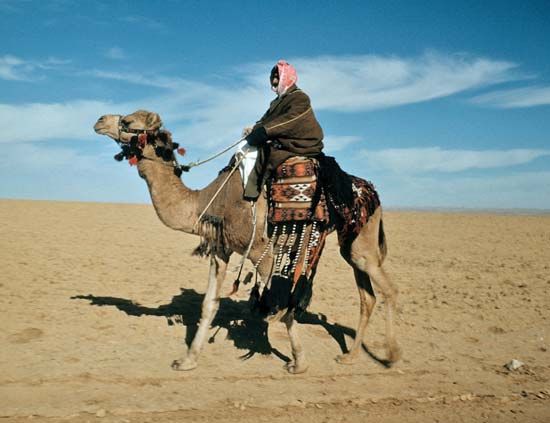
- Humps: The most recognizable difference is that Bactrian camels have two humps, while dromedaries have only one.21
- Physical Build and Coat: Bactrian camels are generally stockier, shorter in stature, and possess longer, woollier hair—an adaptation for the harsh winters of the Eurasian steppes. Dromedaries are more lightly built and better suited to the hot, arid climates of North Africa and the Middle East.21
- Anatomy: Dromedaries possess horny pads on their chest and knees that protect them from hot sand when they lie down; Bactrian camels lack these callosities. Additionally, dromedaries have soft, wide-spreading feet for walking on sand, whereas Bactrian camels have firmer feet.2
- Load Capacity: Bactrian camels are capable of carrying heavier loads (up to 270 kg) over shorter distances, while dromedaries are often used for faster travel over longer distances in cooler conditions.21
Why are wild Bactrian camels considered critically endangered?
The wild Bactrian camel (C. ferus) has been listed as a critically endangered species by the International Union for Conservation of Nature since 2002. With only about 900 individuals remaining, their survival is threatened by several human-driven and environmental factors:12
- Habitat Degradation: The limited areas they inhabit in China and Mongolia are suffering from the loss of reliable water sources and the impact of grazing livestock, which compete for resources.1
- Environmental Contamination: The camels’ remaining habitat is increasingly affected by toxic contamination.1
- Hunting: Illegal hunting continues to pose a direct threat to the population.1
- Hybridization: Interbreeding with Arabian camels (dromedaries) reduces the genetic purity of the wild population, further endangering the species’ distinct biological identity.1
In contrast, the domesticated Bactrian camel is widespread with a population exceeding one million, highlighting the stark difference in conservation status between the two.12
Sources
- Bactrian camel — Encyclopædia Britannica
- camel - Natural history — Encyclopædia Britannica
- Do Camels Store Water in Their Humps? — Encyclopædia Britannica
- Livestock farming - Camels — Encyclopædia Britannica
- camel — Encyclopædia Britannica
Published on · 3 min read