Bali
Bali’s society and traditions are deeply rooted in a unique form of Hinduism that fuses Shaivism, Buddhism, ancestor worship, and local animistic beliefs.…
How has Bali’s unique culture and religion influenced its society and traditions?
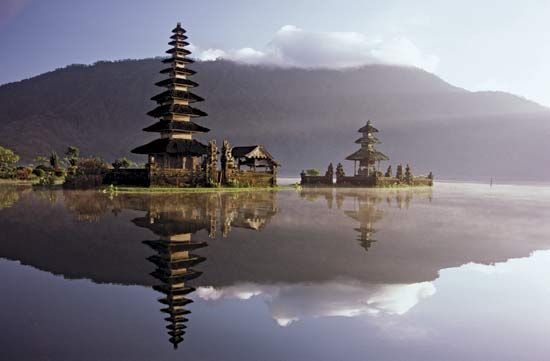
Bali’s society and traditions are deeply rooted in a unique form of Hinduism that fuses Shaivism, Buddhism, ancestor worship, and local animistic beliefs. This religious foundation serves as the center of Balinese life, influencing everything from social organization to the arts.12
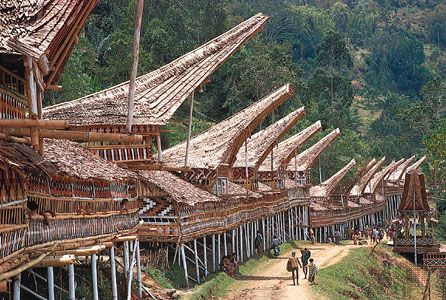
The village structure is a primary example of this influence; communities are self-contained, with central temples and assembly halls serving as hubs for festivals, markets, and cooperative activities. Family life is similarly organized around religious duty, with each household maintaining its own temple within a walled compound. While a caste system exists, it is less rigid than in India because the vast majority of the population belongs to the lowest caste, fostering a sense of community equality.12
Religion also permeates Balinese arts, including gamelan music, dance, and sculpture, which are often performed for magico-religious purposes or to recount epics like the Ramayana. Furthermore, the belief in reincarnation drives significant traditions such as cremation, which is practiced to liberate the soul for its onward journey.321
What are the main economic activities and industries in Bali?
The economy of Bali is primarily driven by the tourism industry, which serves as a major source of income for the province, particularly in centers such as Kuta, Sanur, and Nusa Dua.53
Beyond tourism, the island’s economic activities include:
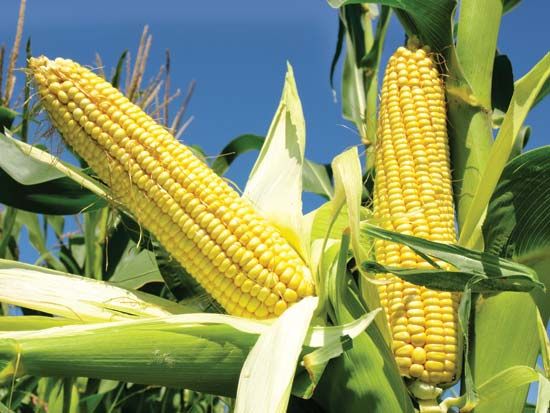
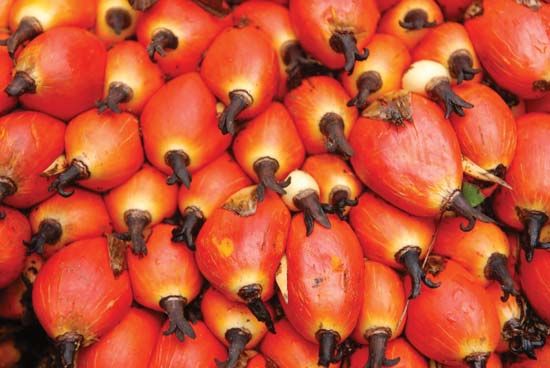
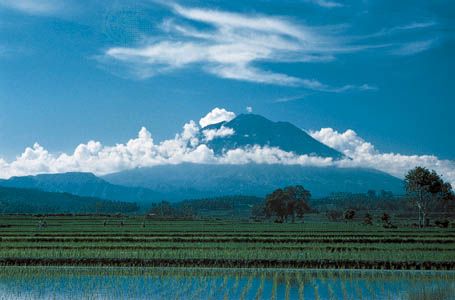
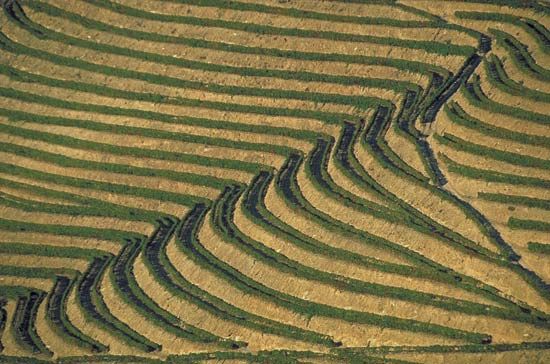
- Agriculture: Farming is a central activity, with rice being the primary crop. Farmers utilize cooperative water-control boards to manage irrigation. Other agricultural products include yams, cassava, corn, coconuts, fruits, oil palm, and coffee. While food must be imported to support the growing population, Bali exports beef, pork, coffee, copra, and palm oil.3
- Crafts and Manufacturing: The Balinese are highly skilled in arts and crafts. Key industries include wood carving, gold and silver work, and bone carving. These craft articles are significant to the local economy.3
- Livestock and Fishing: The island maintains a large cattle population and supports smaller livestock, with several meat-processing plants in operation. Fishing remains a minor occupation.3
What are some traditional Balinese art forms and how are they preserved?
Traditional Balinese art forms are deeply integrated into the daily life and religious practices of the community, ensuring their continued vitality. Rather than being preserved in static archives, these arts are kept alive through constant practice, ritual performance, and communal participation.26
Key Art Forms
- Performing Arts: Music, dance, and drama are central to Balinese culture. The gamelan orchestra provides the musical foundation for temple feasts and ceremonies. Dance-dramas like the barong (exorcism dance) and sanghyang are performed to maintain community well-being and appease spirits. Additionally, wayang kulit (shadow puppet theatre) remains a significant tradition, often drawing from the Ramayana and Mahabharata.768
- Visual Arts: Balinese architecture, sculpture, and painting are focused on shrines and temples. Traditional painting survives through the Kamasan school, while wood carving—particularly for ritual masks—is highly refined.2
Preservation and Evolution
These arts are preserved through a “culturally determined compulsion” to perform, as they are essential to the cycles of local festivals and rituals. While traditional forms are maintained, they are also dynamic; they evolve as artists adapt to new influences, such as the 20th-century Pita Maha cooperative, which introduced new materials and subject matter while promoting Balinese art globally.62
What are some of the most famous historical and cultural landmarks in Bali?
Bali is home to several significant landmarks that reflect its deep spiritual heritage and natural beauty. These sites are central to the island’s identity as a stronghold of Hinduism in Indonesia.9
Notable Landmarks
- Mount Agung: Known locally as the “navel of the world,” this active volcano is the highest point on the island and is held in high spiritual veneration. It is considered a sacred mountain, and many religious items, such as temple offerings and cremation mounds, are shaped in its likeness to honor its spirit.109
- Pura Besakih: Often referred to as the “mother temple” of Bali, this complex is situated on the slopes of Mount Agung, linking the island’s most significant religious site to its most sacred natural landmark.10
- Goa Gadjah: Located at Bedulu, this site features a spring-fed tank and cave. It is notable for its fountain sculptures, which are similar to those found at sacred bathing sites in eastern Java, reflecting the historical influence of Hindu-Buddhist empires on the island.11
These landmarks, along with the ubiquitous village temples found throughout the province, serve as the focal points for Balinese religious and community life.93
Sources
- Balinese — Encyclopædia Britannica
- Southeast Asian arts - Bali — Encyclopædia Britannica
- Bali — Encyclopædia Britannica
- Hinduism - Castes — Encyclopædia Britannica
- Indonesia - Services of Indonesia — Encyclopædia Britannica
- Southeast Asian arts - Relation to social institutions — Encyclopædia Britannica
- Southeast Asian arts - Balinese dance-drama — Encyclopædia Britannica
- Indonesia - Theatre and dance — Encyclopædia Britannica
- Mount Agung — Encyclopædia Britannica
- Indonesia - Cultural milieu — Encyclopædia Britannica
- Southeast Asian arts - East Javanese period: 927–16th century — Encyclopædia Britannica
Published on · 4 min read