Celebes
Tourism on Celebes (Sulawesi) has grown in significance, particularly in regions like the Sangihe Islands, where scuba diving has become a notable…
How has tourism developed on Celebes, and what are some popular attractions for visitors?
Tourism on Celebes (Sulawesi) has grown in significance, particularly in regions like the Sangihe Islands, where scuba diving has become a notable attraction. The island’s diverse geography and unique cultural heritage offer a variety of experiences for visitors.1
Popular Attractions and Activities
- Scuba Diving: The waters surrounding the Sangihe Islands are recognized for their appeal to divers.1
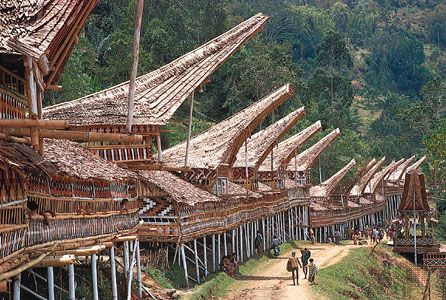
- Cultural Exploration: Visitors can engage with the island’s seven major ethnic groups, such as the Toraja, who are known for retaining traditional practices, and the Minahasan people near Manado, who live in a more Westernized style.2
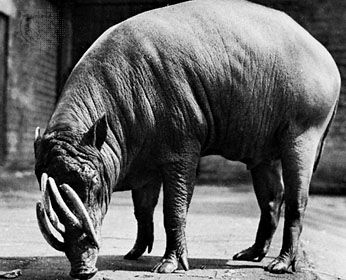
- Natural Landscapes: The island features dramatic volcanic terrain, such as Mount Awu in the Sangihe group and Mount Rantekombola, the highest peak on the main island. Additionally, the island is home to unique fauna, including the babirusa and the anoa (dwarf buffalo).12
- Highland Regions: The Toraja highlands are a distinct area of interest, accessible by road, offering insight into the island’s interior culture and geography.2
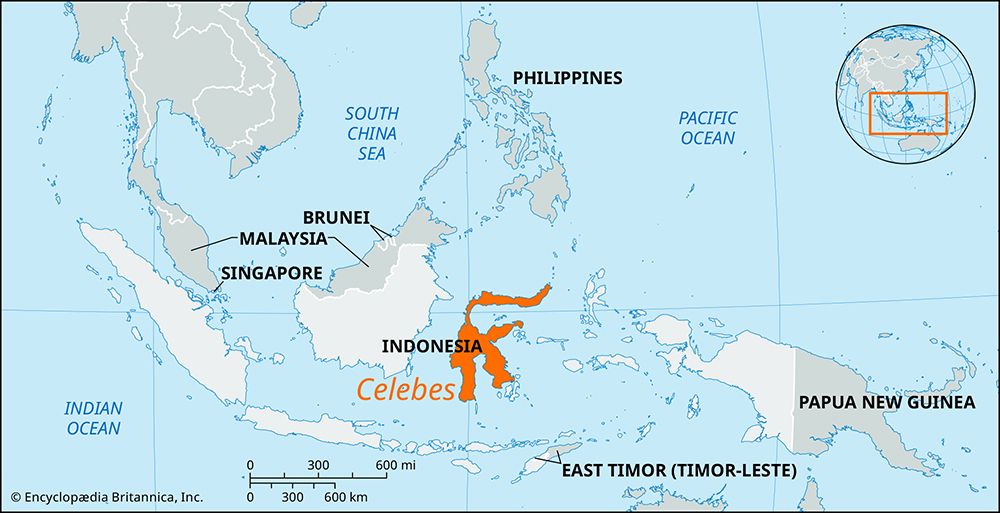
How did Celebes get its name, and what is its significance in Indonesian history?
The name “Celebes” is the traditional European name for the island now officially known as Sulawesi. While the etymology of “Celebes” is not explicitly detailed in the provided records beyond its historical usage in the Malay Archipelago, the name has been used interchangeably with Sulawesi for centuries.25
Significance in Indonesian History
The history of Celebes is marked by its strategic position in trade and its transition through various regional and colonial powers:
- Early Empires: Until the 14th century, the island was part of the Buddhist Srivijaya empire based in Sumatra. It subsequently came under the influence of the Hindu Majapahit empire of Java.67
- Sultanates and Colonialism: Following the decline of the Majapahit empire, several independent states emerged. The Makassarese state of Gowa became a dominant power and adopted Islam in 1605. The arrival of the Dutch in the early 17th century led to intense rivalries, notably between Gowa and the Buginese state of Bone. By 1911, the Dutch had established colonial control over the entire island.678
- Modern Era: During World War II, the island was occupied by Japan. Following the war, it became part of the Republic of Indonesia in 1950.867
What unique flora and fauna can be found on Celebes?
Celebes (Sulawesi) is situated within Wallacea, a transitional biogeographical zone between the Asian and Australian faunal realms. This unique location has resulted in a high degree of endemism, where many species are found nowhere else on Earth.105211
Unique Fauna
The island is home to several distinct animal species that have evolved in isolation:
- Babirusa: Also known as the “pig deer,” this large wild pig is a notable endemic species.10211
- Anoa: Often referred to as a dwarf buffalo, this animal is unique to the island.1052
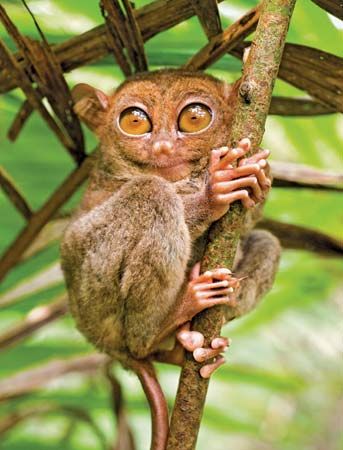
- Tarsiers: The island hosts unique species of these small, nocturnal primates, such as the spectral tarsier.5
- Black-crested baboon: A primate species endemic to the region.2
- Maleo: A chickenlike bird known as a megapode (Macrocephalon maleo).5
Flora
The island’s vegetation is heavily forested and shares many characteristics with the Philippines, though it exhibits a blend of Asian and Australian influences. Common plant life includes:
- Hardwoods and Palms: Ebony and various palms, including rattan, are prevalent in lowland forests.5
- Montane Species: Lower montane areas are dominated by oak and chinquapin trees, while higher elevations feature conifers such as the enormous Agathis trees, which produce dammar.) trees, which produce dammar.5
What natural resources are found on Celebes, and how have they impacted the island’s development?
Celebes (Sulawesi) possesses a variety of natural resources that have played a significant role in its economic landscape and development.
Key Natural Resources
- Minerals: The island is a notable source of nickel, which is found in significant quantities. Additionally, the island contains deposits of manganese and smaller deposits of copper.1213
- Agriculture and Forestry: The island’s economy is heavily rooted in agriculture. Key products include rice, corn, cassava, yams, and beans. In the northeastern regions, copra and various forest products are major contributors to the local economy.14
- Marine Resources: Fishing is a vital industry, particularly in the coastal and northeastern regions, supported by the surrounding seas.142
Impact on Development
These resources have shaped the island’s development in several ways:
- Regional Economic Disparity: Economic advancement is most pronounced in the southern and northeastern peninsulas, where agricultural productivity and trade are highest. Conversely, the eastern peninsula remains largely undeveloped, characterized by sparse populations and subsistence farming.14
- Infrastructure and Settlement: The government has utilized the island’s potential to support settlement programs, relocating people from more densely populated islands like Java and Bali to the southwestern and central regions to foster development and diversity.14
- Industrialization: While manufacturing is not highly developed, the primary processing of agricultural and mineral products remains a cornerstone of the island’s industrial activity.1214
Sources
- Sangihe Islands — Encyclopædia Britannica
- Celebes — Encyclopædia Britannica
- North Sulawesi — Encyclopædia Britannica
- Celebes Sea — Encyclopædia Britannica
- West Sulawesi — Encyclopædia Britannica
- Celebes Sea — Merriam-Webster
- Celebesian — Merriam-Webster
- Sulawesi — Merriam-Webster
- South Sulawesi — Encyclopædia Britannica
- Southeast Asia - Animal life — Encyclopædia Britannica
- Indonesia - Plant and animal life — Encyclopædia Britannica
- Borneo - People and economy — Encyclopædia Britannica
- Malay Archipelago — Encyclopædia Britannica
- Sula — Encyclopædia Britannica
- Indonesia - Resources and power — Encyclopædia Britannica
- history of Southeast Asia - Chinese and Western incursions — Encyclopædia Britannica
- Southeast Asia - Industry of Southeast Asia — Encyclopædia Britannica
Published on · 4 min read