Bay of Bothnia
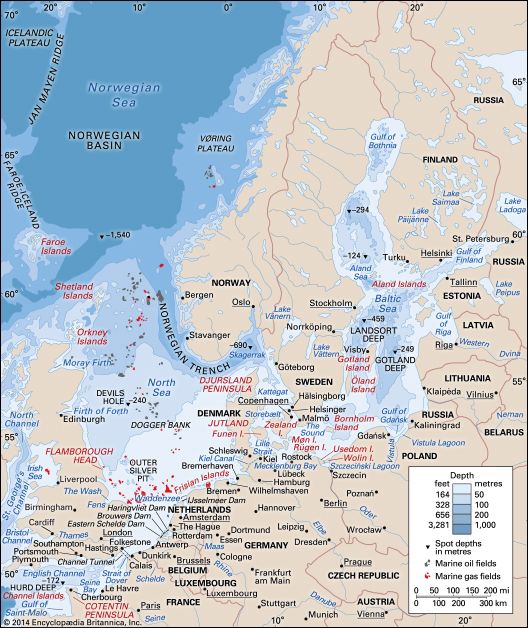
The Bay of Bothnia is the northernmost section of the Gulf of Bothnia, which serves as the northern arm of the Baltic Sea. Located between Finland and…
What is Bay of Bothnia?
The Bay of Bothnia is the northernmost section of the Gulf of Bothnia, which serves as the northern arm of the Baltic Sea. Located between Finland and Sweden, this body of water is part of a larger gulf that spans approximately 45,200 square miles.12
The region is characterized by low salinity due to the influx of numerous rivers, which contributes to the formation of ice cover for up to five months during the winter. The area is also subject to ongoing geological changes, including land uplift that continues to shape the head of the gulf.23
How does the low salinity affect the marine life in the Gulf of Bothnia?
The provided search results confirm that the Gulf of Bothnia receives significant freshwater runoff from numerous rivers, resulting in extremely low salinity levels. In the inner part of the gulf, the water is considered nearly fresh.34
However, the current Britannica knowledge base does not contain specific information regarding how these low salinity levels directly affect the marine life inhabiting the Gulf of Bothnia.
What are the Åland Islands and why are they significant?
The Åland Islands (also known as Ahvenanmaa) are an archipelago located at the entrance to the Gulf of Bothnia, situated between the coasts of Finland and Sweden. The territory consists of approximately 35 inhabited islands and thousands of uninhabited reefs, with the largest island, Åland, housing the majority of the population and the administrative capital, Mariehamn.67
The islands are significant for several reasons:
- Autonomous Status: Åland is a unique, self-governing, and demilitarized region of Finland. Following the dissolution of the Russian Empire and Finland’s independence in 1917, the League of Nations mediated a dispute between Finland and Sweden, ultimately granting the islands autonomy while confirming Finnish sovereignty.86
- Cultural Identity: The islands maintain a distinct cultural identity, with Swedish serving as the sole official language and the primary language of instruction.6
- Historical and Strategic Importance: Historically, the islands have been a site of strategic interest, evidenced by Viking graveyards, medieval churches, and 19th-century fortifications like the Bomarsund garrison, which was destroyed during the Crimean War6.
How do the rivers flowing into the gulf impact its ecosystem?
The rivers flowing into the Gulf of Bothnia—such as the Ångerman, Ume, Lule, Torne, Kemi, and Oulu—play a fundamental role in shaping the gulf’s environment. By delivering a massive volume of freshwater, these rivers significantly reduce the salinity of the gulf, rendering the water in its inner reaches nearly fresh.310
This low salinity has a direct impact on the gulf’s physical state, as it facilitates the formation of ice cover that can persist for up to five months during the winter. Furthermore, the gulf is part of the broader Baltic Sea, which is recognized as ecologically vulnerable due to its status as a semienclosed basin. The influx of river water, combined with industrial and agricultural runoff from populated coastal areas, contributes to environmental challenges such as oxygen depletion and the accumulation of harmful substances, necessitating international cooperation for pollution control and environmental protection.3411
Sources
- Bay of Bothnia — Encyclopædia Britannica
- Bothnian Sea — Encyclopædia Britannica
- Gulf of Bothnia — Encyclopædia Britannica
- Baltic Sea - Physiography — Encyclopædia Britannica
- Atlantic Ocean - Salinity — Encyclopædia Britannica
- Åland Islands — Encyclopædia Britannica
- Baltic Sea — Encyclopædia Britannica
- Finland - Local government — Encyclopædia Britannica
- Åland — Merriam-Webster
- Baltic Sea - Study and exploration — Encyclopædia Britannica
- Baltic Sea - Hydrology — Encyclopædia Britannica
Published on · 2 min read