Bamboo
Bamboo is a versatile, fast-growing perennial grass with a wide range of applications, particularly in East and Southeast Asia. Its uses span food, industry…
What are some of the most common uses of bamboo in various cultures and industries?
Bamboo is a versatile, fast-growing perennial grass with a wide range of applications, particularly in East and Southeast Asia. Its uses span food, industry, and traditional medicine:
- Food and Fodder: Young shoots are consumed as vegetables, particularly in Chinese cuisine, while the seeds of certain species are eaten as grain. Additionally, raw leaves serve as fodder for livestock.
- Construction and Infrastructure: Large stems provide planks for housing and rafts. Due to their strength, stems are frequently lashed together to create scaffolding for building construction.
- Manufacturing and Crafts: Bamboo is used to produce paper from pulped fibers. Split stems are crafted into furniture, flooring, buckets, pipes, fishing poles, walking sticks, and various household utensils.
- Ornamental and Medicinal: Many species are cultivated as ornamentals in landscape gardens. Furthermore, the silica found in the joints of the stems, known as tabasheer, has been utilized in traditional medicine for centuries.
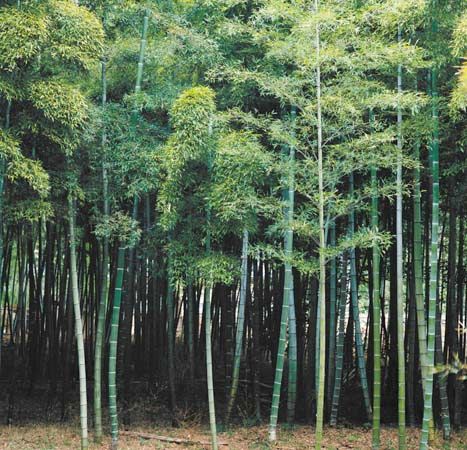
Can you explain the flowering cycle of bamboo and why it’s considered unusual?
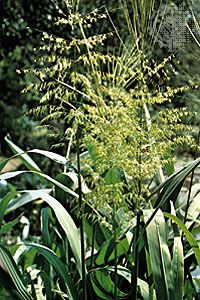
The flowering cycle of bamboo is considered highly unusual due to its long, synchronized, and terminal nature. Most bamboo species flower and produce seeds only once in their lifetime, typically after a growth period ranging from 12 to 120 years.1
This phenomenon, known as gregarious flowering, is characterized by the following:
- Synchronized Timing: All plants of a specific species flower at approximately the same time, regardless of their geographic location or individual age.2
- Inborn Signal: The flowering is triggered by an internal biological clock rather than environmental conditions, causing the plants to initiate the formation of inflorescences at the end of their species-specific cycle.2
- Terminal Event: After this single reproductive episode, the plants die.2
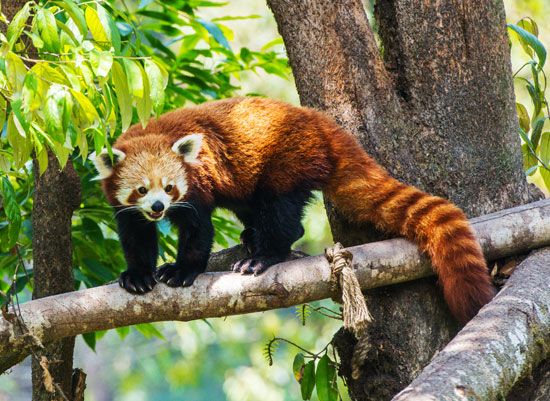
This cycle has significant ecological consequences. While the massive production of fruit may help ensure reproductive success by oversaturating the food supply for frugivores, it can disrupt local ecosystems. For instance, animals that rely on bamboo for food, such as the panda, may face a total loss of their primary food source. Additionally, the sudden abundance of fruit can lead to population explosions in rodents, which may subsequently destroy human food supplies and spread disease.2
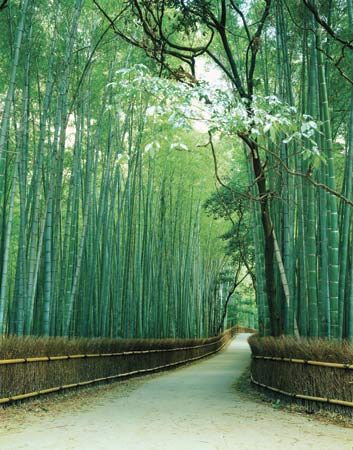
What are the main characteristics that distinguish bamboo from other types of plants?
Bamboo is a subfamily of tall, treelike grasses (Bambusoideae) that possess several distinct characteristics setting them apart from other plants:
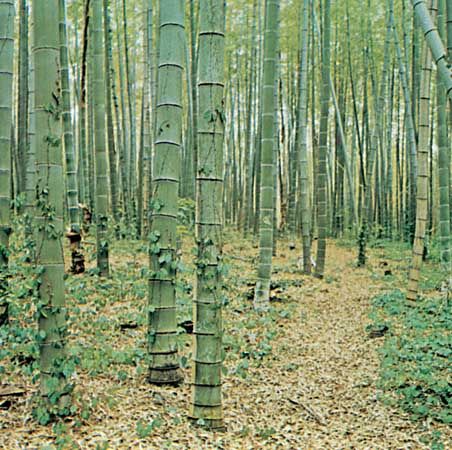
- Structural Composition: Unlike broad-leaved trees that develop wood through the annual production of lignified layers, bamboo achieves structural rigidity through a combination of tough, fibrous cells, lignified parenchyma, and the silicification of the epidermis. Their stems, known as culms, are typically hollow between nodes and grow from thick underground stems called rhizomes.12
- Growth Rate: Bamboos are among the fastest-growing perennials, with some species capable of growing up to 30 cm (1 foot) per day.1
- Unique Flowering Cycle: Most bamboo species exhibit a rare, synchronized flowering pattern where all plants of a species flower simultaneously at long intervals—ranging from 12 to 120 years—and then die. This is triggered by an inborn biological signal rather than environmental conditions.12
- Leaf Morphology: At the base of the leaf blade, many bamboos feature a constricted area resembling a stalk, known as a pseudopetiole, which allows the leaf to move in response to light or time of day.2
- Photosynthetic Pathway: Unlike many other tropical grasses that utilize the C-4 photosynthetic pathway, all bamboos are C-3 plants.2
How fast does bamboo grow, and what makes it one of the fastest-growing plants?
Bamboo is renowned for its rapid growth, with some species capable of extending as much as 30 cm (1 foot) per day. This remarkable speed is a result of the unique growth mechanisms shared by grasses.15
Unlike many other plants that rely primarily on apical meristems (growth at the tips of roots and shoots), grasses utilize intercalary meristems. These regions of actively dividing cells are located at the nodes—the joints along the stem—and at the base of the internodes (the stem regions between nodes). By simultaneously undergoing cell division and cell enlargement at these basal points, bamboo can elongate its stems with extraordinary efficiency.25
This growth process is further supported by the plant’s ability to store energy in thick underground stems known as rhizomes. These structures provide the necessary resources to fuel the rapid development of new culms, allowing the plant to expand and reach heights of up to 40 metres in the largest species.165
Sources
- Bamboo — Encyclopædia Britannica
- Poaceae - Characteristic morphological features — Encyclopædia Britannica
- lower vascular plant - Vascular system — Encyclopædia Britannica
- Plant - Stems — Encyclopædia Britannica
- How do plants grow? — Encyclopædia Britannica
- Rhizome — Encyclopædia Britannica
Published on · 4 min read