Poaceae
The Poaceae family, commonly known as the grass family, includes numerous species valued in landscaping for their aesthetic appeal and structural…
What are some examples of ornamental grasses from the Poaceae family used in landscaping?
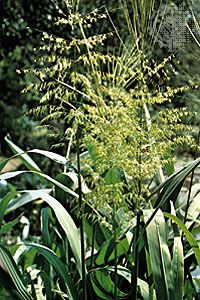
The Poaceae family, commonly known as the grass family, includes numerous species valued in landscaping for their aesthetic appeal and structural versatility. Ornamental grasses are frequently used to add texture, movement, and height to garden designs.123
Some notable examples of ornamental grasses from this family include:
- Bamboo: Versatile plants often used for screening or as architectural features.
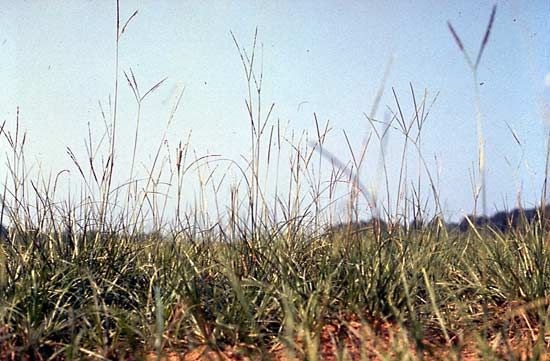
- Fescue (Festuca species): Known for their tufted growth habit; for instance, blue fescue (F. glauca) is popular in borders for its silvery foliage.3
- Pampas grass (Cortaderia selloana): A striking choice often grown for its large, feathery plumes.
- Miscanthus species: Frequently utilized for their elegant, arching form and height.
- Quaking grass (Briza species): Valued for its delicate, nodding seed heads.
- Love grass (Eragrostis species): Often incorporated for its fine, airy texture.
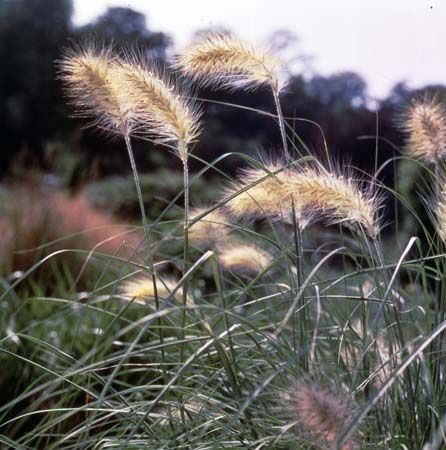
- Hare’s-tail grass (Lagurus ovatus): A smaller ornamental known for its soft, fuzzy appearance.1
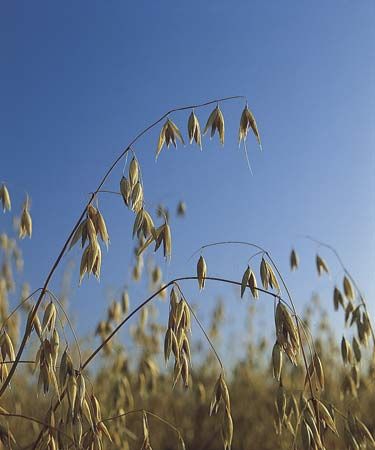
What role do Poaceae plants play in various ecosystems?
The Poaceae family, or grass family, is a foundational component of the Earth’s flora, accounting for approximately 24 percent of the planet’s vegetation. Their role in ecosystems is defined by their remarkable versatility, abundance, and evolutionary adaptations.4
Ecological Contributions and Adaptations
Grasses are essential to global ecosystems due to several key characteristics:
- Resilience and Regrowth: Unlike many other plants, grasses have growing points (meristems) located at the base of their stems and leaves. This allows them to survive and regenerate after being consumed by herbivores, damaged by fire, or mowed.5
- Soil Stability: Grasses, particularly those that form sods, play a critical role in preventing soil erosion. Their tightly interwoven root systems protect the soil from being washed away or displaced by trampling.67
- Habitat Diversity: Poaceae species inhabit diverse environments ranging from deserts to freshwater and marine habitats. They are primary components of various biomes, including savannas and forest understories.45
- Nutrient Cycling and Competition: In agricultural and natural settings, grasses can complement other plants by improving soil structure and providing nitrogen when grown in mixtures with legumes. Conversely, they can also compete for resources, and their presence or absence significantly influences the distribution of herbivorous animals.86
Interactions with Herbivores
Grasses have coevolved with large grazing mammals over millions of years. Many species have developed defenses, such as high silica content, which reduces palatability and protects the plant. In response, many herbivores have evolved specialized digestive systems and high-crowned teeth to process these tough, silica-rich materials. Furthermore, grazing successions—where different species graze the same area at different times—enable ecosystems to maximize the use of available plant resources.78
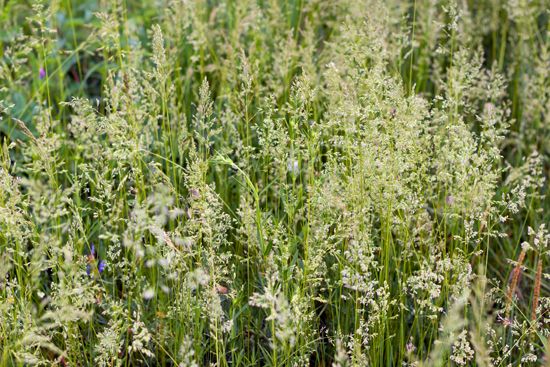
What are the main characteristics that define the Poaceae family?
The Poaceae family, commonly known as the grass family, is a diverse group of monocotyledonous flowering plants characterized by several distinct morphological and structural features.
Key Morphological Characteristics
- Growth Habit and Roots: Grasses are typically perennial or annual plants with fine, fibrous root systems rather than a single taproot. They often feature horizontal stems, known as rhizomes (below ground) or stolons (above ground).4
- Stems (Culms): Grass stems are often round in cross-section and may be hollow or filled with pith. They grow through cell division and enlargement at the basal point, a unique characteristic that allows them to regenerate after being mowed or grazed.4
- Leaves: Leaves are borne singly at the nodes in two vertical ranks. They consist of a sheath that encircles the stem and a long, narrow blade with parallel veins. A small structure called a ligule is often found at the junction of the sheath and blade.4
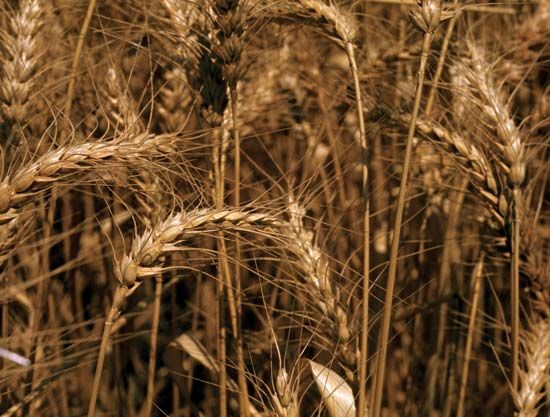
- Reproductive Structures: The primary inflorescence is the spikelet, which contains florets protected by specialized scales (glumes, lemma, and palea). Grass flowers are highly simplified, wind-pollinated, and lack traditional petals, using translucent structures called lodicules to open the floret.4
- Fruit: The fruit, known as a caryopsis or grain, is unique because the fruit wall is fused to the seed coat.4
How do Poaceae plants reproduce and disperse their seeds?
Poaceae plants, or grasses, utilize a diverse array of reproductive strategies, including sexual reproduction, asexual reproduction, and vegetative propagation, to ensure their survival and dispersal.11
Reproductive Methods
- Sexual Reproduction: Most grasses reproduce through cross-pollination, which is primarily facilitated by the wind (anemophily). Their flowers are highly simplified and lack showy petals or nectar, instead producing abundant, lightweight pollen that is easily carried by air currents to feathery stigmas. Some species also utilize self-fertilization, which allows for reproduction after long-distance dispersal and helps preserve successful genotypes.81211
- Apomixis: Certain grass genera reproduce through apomixis, a process where seeds are produced without fertilization. This results in offspring that are genetically identical to the parent, effectively creating clones.11
- Vegetative Reproduction: Grasses frequently spread through vegetative parts, such as rhizomes (underground stems) and stolons (aboveground runners), allowing them to colonize and dominate habitats.119
Seed Dispersal Adaptations
Grasses have evolved various mechanisms to disperse their seeds (caryopses) effectively:
- Animal Transport: Many spikelets feature awns, hairs, spines, or barbs that allow them to cling to the fur of passing animals. Additionally, seeds consumed by birds and mammals can be dispersed through their digestive tracts.11
- Wind and Self-Sowing: Some grasses, such as Phragmites australis, use parachute-like structures to aid wind dispersal. Others possess awns that twist in response to humidity changes, effectively drilling the seed into the soil.1112
Sources
- fescue — Encyclopædia Britannica
- list of economically important members of the family Poaceae — Encyclopædia Britannica
- grass — Encyclopædia Britannica
- Poaceae — Encyclopædia Britannica
- artiodactyl - Food habits — Encyclopædia Britannica
- Agricultural technology - Crop rotation — Encyclopædia Britannica
- community ecology - Specialization in grazing — Encyclopædia Britannica
- Poaceae - Distribution and abundance — Encyclopædia Britannica
- Poaceae - Characteristic morphological features — Encyclopædia Britannica
- plant reproductive system — Encyclopædia Britannica
- pollination - Wind — Encyclopædia Britannica
- vegetative reproduction — Encyclopædia Britannica
- caryopsis — Encyclopædia Britannica
- plant reproductive system - General features of sexual systems — Encyclopædia Britannica
- aloe vera: Top Questions — Encyclopædia Britannica
- Asteraceae - Fruit and seeds — Encyclopædia Britannica
Published on · 4 min read