Banana
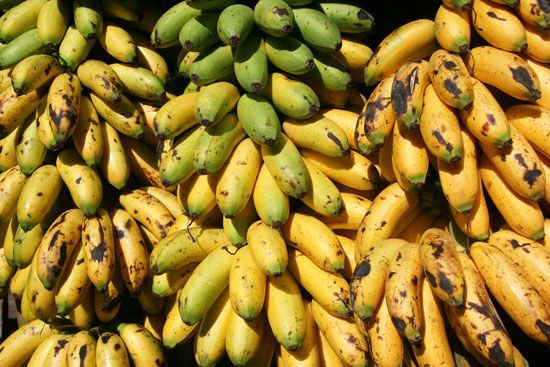
Bananas ripen through a process triggered by ethylene, a gaseous hormone that signals the fruit to mature.
How do bananas ripen and what chemical changes occur during this process?
Bananas ripen through a process triggered by ethylene, a gaseous hormone that signals the fruit to mature.1
During this process, several chemical changes occur:
- Breakdown of Acids: The fruit’s initial acidity decreases as acids break down, leading to a sweeter taste.1
- Chlorophyll Degradation: The chlorophyll responsible for the green color is broken down and replaced by yellow pigments.1
- Softening: The internal structure of the fruit softens as it matures.1
- Enzymatic Browning: As the banana produces excess ethylene, it eventually undergoes enzymatic browning. This causes the yellow pigments to decay, resulting in the characteristic brown spots associated with overripening.1
Because bananas produce significant amounts of ethylene, trapping the gas—such as in a paper bag—accelerates the ripening process. Conversely, bruising or damage triggers even higher ethylene production, causing the fruit to brown more rapidly.1
What are some common varieties of bananas and how do they differ?
There are hundreds of banana varieties, which are broadly categorized into two main groups: dessert bananas and plantains.2
Key Differences
- Dessert Bananas: These are typically sweet and are most commonly consumed raw and fresh when ripe. They can also be used in various culinary applications, such as in pies, puddings, or as a flavoring for baked goods like muffins and breads.23
- Plantains: These are starchier and less sweet than dessert varieties. They are considered a staple food crop in many tropical regions and are typically cooked—either boiled or fried—at various stages of ripeness.23
Common Varieties
- Cavendish: Currently the most common variety imported by nontropical countries, the Cavendish is a dessert banana known for its hardiness. It is classified as a triploid (AAA) hybrid.23
- Gros Michel: Once the dominant commercial dessert banana, this variety was prized for being richer and sweeter than the Cavendish. It was largely replaced by the Cavendish in the mid-20th century after falling victim to Panama disease.3
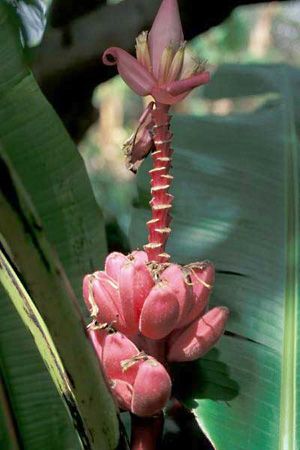
- Other Varieties: These include the Lady Finger and red bananas, both of which are also categorized as dessert bananas.2
How are bananas used in cooking beyond just eating them raw?
Beyond eating them raw, bananas are highly versatile in culinary applications, serving as both a primary ingredient and a functional tool in the kitchen.
Culinary Uses of the Fruit
- Dessert Bananas: While often eaten fresh, these can be fried, mashed, or chilled for use in pies and puddings. They are also frequently used to flavor baked goods such as muffins, cakes, and banana bread.2
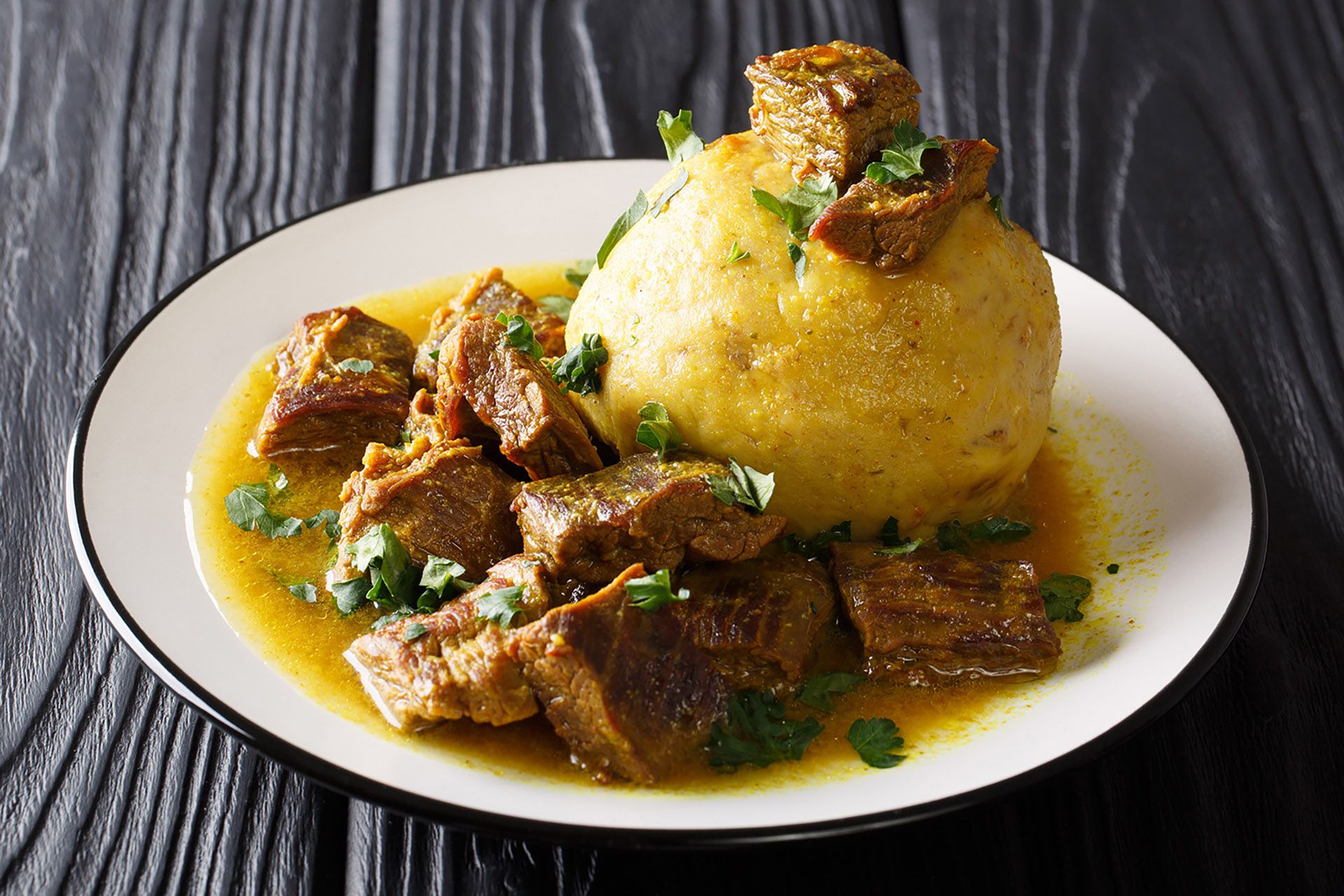
- Plantains: As a starchy cooking variety, plantains are typically boiled or fried when either ripe or immature. They can also be ground into flour to create porridges or dumplings, such as fufu.2
- Edible Flowers: In regions like China and Vietnam, the flowers of the banana plant are also consumed as a vegetable.2
Functional Uses in Cooking
Beyond the fruit itself, the plant provides essential tools for food preparation:
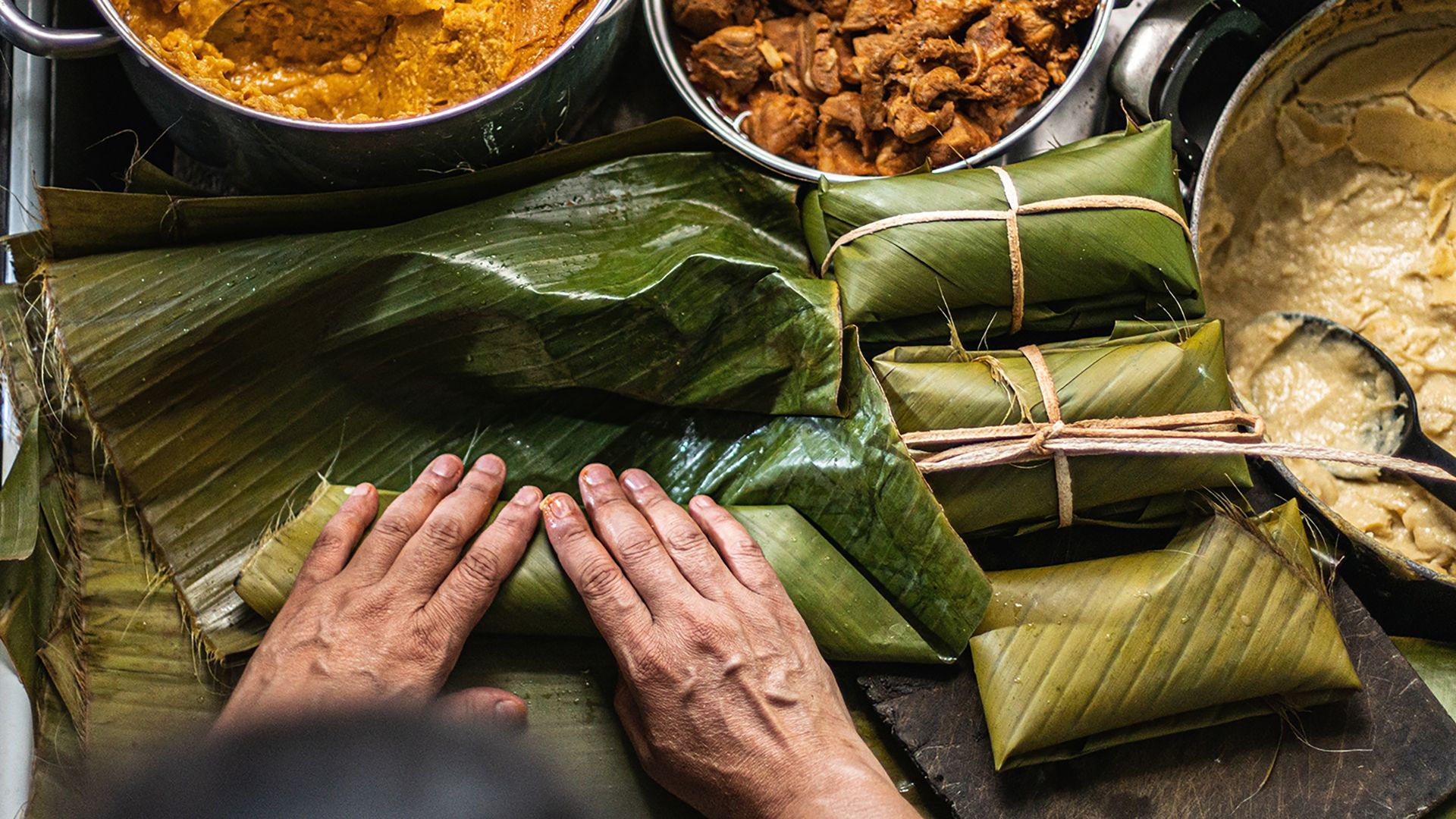
- Natural Wrappers: The large, flexible leaves are commonly used to wrap and steam food, or as linings for cooking pits and pots.2
- Serving: The leaves often serve as makeshift plates for serving meals.2
How are bananas grown and harvested commercially?
Commercial banana cultivation relies on the propagation of clones from an underground stem, or rhizome. Because each trunk produces only one bunch of fruit, it is cut down after harvest and replaced by stronger shoots, or suckers, that emerge from the rhizome.3
Cultivation Practices
- Environment: Banana plants thrive in humid tropical climates with deep, loose, well-drained soils. In semiarid regions, they are grown using irrigation3.
- Maintenance: Frequent pruning is essential to remove surplus growth and prevent overcrowding in plantations. To protect developing fruit from insects, birds, and wind abrasion, bunches are often covered with bags.3
Harvesting and Distribution
- Timing: Bananas are harvested before they reach full maturity on the plant. The specific stage of maturity at harvest is determined by the distance to the market and the type of transportation used.3
- Ripening: To ensure the fruit reaches consumers at the right time, ripening is frequently induced artificially after shipment by exposing the bananas to ethylene gas, which the fruit naturally produces.3
Sources
- Why Do Bananas Turn Brown? — Encyclopædia Britannica
- Banana: Top Questions — Encyclopædia Britannica
- Banana — Encyclopædia Britannica
- banana bread — Merriam-Webster
Published on · 3 min read