Barataria Bay
Barataria Bay is an inlet of the Gulf of Mexico located in southeastern Louisiana, situated west of the Mississippi River delta.
How does Barataria Bay connect to the larger Mississippi River Delta system?
Barataria Bay is an inlet of the Gulf of Mexico located in southeastern Louisiana, situated west of the Mississippi River delta.12
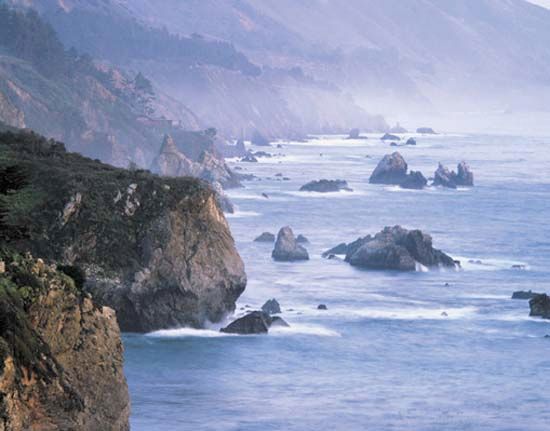
While it is geographically positioned near the delta, the bay functions as a distinct coastal feature characterized by its marshy, indented landscape and numerous islands. Its connection to the broader regional water network is facilitated through narrow channels that link the bay to the Gulf Intracoastal Waterway system, allowing for navigation between the bay and the surrounding coastal areas. The region, often referred to as Barataria Country, is historically and economically significant for its natural resources, including oil, natural gas, and the local shrimp industry.1
How was Barataria Bay formed and what are its key geographical features?
Barataria Bay is an inlet of the Gulf of Mexico located in southeastern Louisiana, situated west of the Mississippi River delta. While the provided information does not detail the specific geological processes of its formation, it characterizes the bay as an indented, marshy body of water approximately 15 miles long and 12 miles wide.12
Key geographical features of the area include:
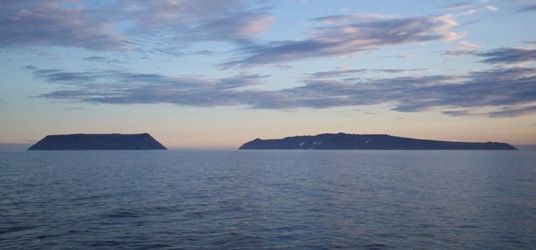
- Barriers and Islands: The bay’s entrance is largely obstructed by Grand Isle and the Grand Terre Islands.1
- Waterways: Access to the bay is provided by a narrow channel that connects to the Gulf Intracoastal Waterway system.1
- Topography: The surrounding region, known as Barataria Country, consists of low-lying coastal marshes that support unique infrastructure, such as villages built on pilings.1
The area is historically significant for its association with Jean Laffite and remains economically vital for natural gas, oil, sulfur, and shrimp production.1
What role did Barataria Bay play in the history of piracy in the Gulf of Mexico?
Barataria Bay served as a critical hub for illicit maritime activity in the early 19th century, primarily due to the operations of Jean Laffite and his brother Pierre. Between 1810 and 1814, the brothers established a secluded colony on the islands within the bay, which functioned as a base for a band of privateers and smugglers.13
The role of the Barataria colony in piracy included:
- Smuggling Operations: The group utilized a blacksmith shop in New Orleans as a front to distribute smuggled goods and enslaved people brought ashore by their privateers.3
- Privateering: Holding commissions from the republic of Cartagena, the group preyed on Spanish commerce, disposing of their plunder through merchant connections on the mainland.3
- Strategic Significance: Because the bay provided a key approach to New Orleans, it became a site of geopolitical maneuvering during the War of 1812. The British attempted to recruit Laffite, but he ultimately offered his services to the United States. The “Baratarians” fought with distinction at the Battle of New Orleans, earning a pardon from President James Madison.3
Following the war, the group continued their activities, eventually relocating to Galveston, where they were widely acknowledged as pirates.3
How does Barataria Bay feature in local folklore and literature?
Barataria Bay is deeply embedded in local lore primarily through its association with the privateer and smuggler Jean Laffite. The region is frequently referred to as “Laffite Country,” a name that highlights the enduring legacy of the pirate colony he and his brother Pierre established there between 1810 and 1814.1
The name “Barataria” itself contributes to the area’s folkloric reputation; it is derived from a Spanish word meaning “to deceive,” a fitting moniker for a location that served as a secluded base for illicit smuggling and privateering operations. While the bay is a real geographical feature, its history as a haven for outlaws who later fought in the Battle of New Orleans has transformed the “Baratarians” into legendary figures in Louisiana history.13
Although the provided search results do not detail specific works of literature centered on the bay, the broader history of piracy—which includes figures like those who operated in Barataria—has heavily influenced the development of the modern pop-culture image of pirates in works by authors such as Daniel Defoe and Robert Louis Stevenson.6
Sources
- Barataria Bay — Encyclopædia Britannica
- Barataria Bay — Merriam-Webster
- Jean Laffite — Encyclopædia Britannica
- piracy — Encyclopædia Britannica
- Barbary pirate — Encyclopædia Britannica
- Pirates, Privateers, Corsairs, Buccaneers: What’s the Difference? — Encyclopædia Britannica
Published on · 3 min read