Barberry
Barberry plants belong to the genus Berberis within the Berberidaceae family, comprising nearly 500 species of evergreen or deciduous shrubs.
What are the main characteristics and features of barberry plants?
Barberry plants belong to the genus Berberis within the Berberidaceae family, comprising nearly 500 species of evergreen or deciduous shrubs.1
Key Characteristics
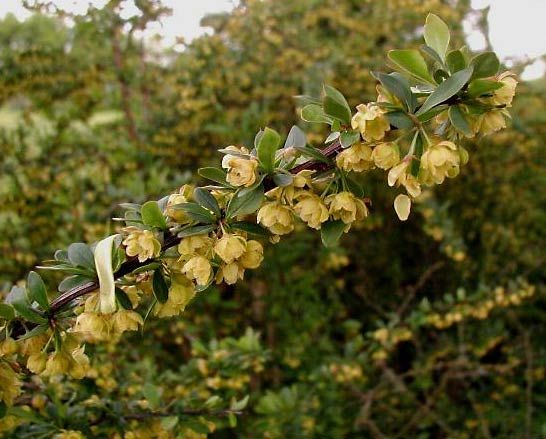
- Physical Structure: These plants are typically characterized by yellow wood and spines, which are often three-branched at the base of the leafstalks. Some species, such as the common barberry, feature gray branches and bristle-toothed leaves.12
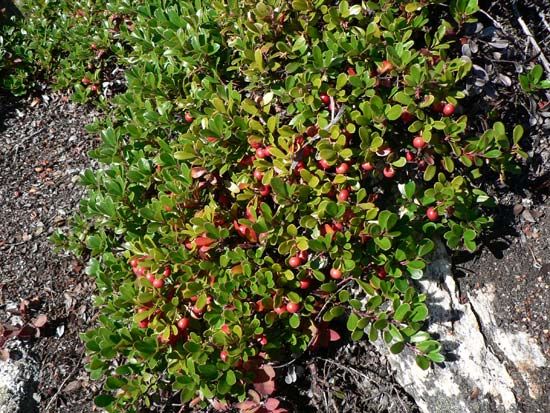
- Flowers and Fruit: They produce yellow, six-petaled flowers. The fruit is a berry that can range in color from red and yellow to blue, purple, or black.1
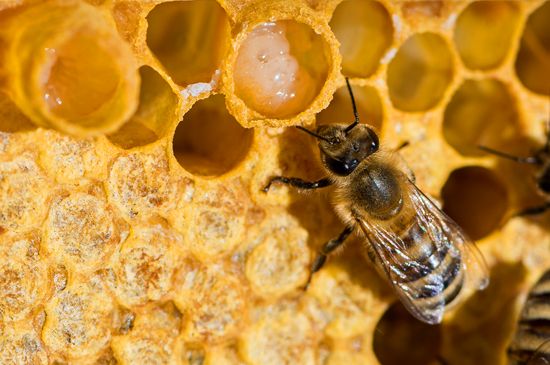
- Uses: Certain species are cultivated as ornamental hedges for their vibrant foliage and berries. Additionally, some barberries serve as a nectar source for honeybees, and their fruits are occasionally used to make jellies.1
Ecological Considerations
It is important to note that the cultivation of certain barberry species is restricted in some regions because they act as an alternate host for the fungus responsible for black stem rust in wheat.12
Are there any environmental concerns or regulations related to barberry plants in certain regions?
Yes, there are significant environmental concerns regarding barberry plants, primarily because certain species serve as an alternate host for the fungus that causes black stem rust in wheat.1
This relationship is a critical agricultural issue. The fungus requires the barberry plant to complete one of its life stages, known as the aecial stage, which is historically referred to as barberry rust. Because this rust can devastate wheat crops, the cultivation of specific barberry species is prohibited or strictly regulated in various regions to protect agricultural security.312
The common barberry (Berberis vulgaris) is particularly noted for its role as an alternate host for this pathogen. While other species like the Japanese barberry are popular in landscaping for their aesthetic appeal, the potential for these plants to facilitate the spread of crop-destroying diseases necessitates careful management and adherence to local agricultural regulations.21
How many species of barberry exist, and where are they commonly found?
The genus Berberis, which constitutes the barberry, includes nearly 500 species of thorny evergreen or deciduous shrubs.14
These plants are primarily native to the North Temperate Zone, with a particularly high concentration of species found in Asia. While they are widely distributed across temperate regions, specific species have distinct native ranges, such as the American or Allegheny barberry, which is native to eastern North America.11
What are the traditional medicinal uses of barberry plants?
Barberry plants have a long history of traditional use, particularly the fruit of the common barberry (Berberis vulgaris). This fruit is historically known as the “jaundice berry,” a name derived from its traditional application as a remedy for jaundice.1
Beyond medicinal applications, various species of the genus Berberis have been utilized for other practical purposes. For instance, the fruits of several species are commonly prepared into jellies, and certain South American and Asian varieties are used to extract yellow dyes. Additionally, in western Asia, these plants serve as a valuable nectar source for honeybees.5
While these traditional uses are documented, it is important to note that the cultivation of some barberry species remains restricted in certain regions due to their role as an alternate host for the fungus that causes black stem rust in wheat.5
Sources
- barberry — Encyclopædia Britannica
- common barberry — Merriam-Webster
- barberry rust — Merriam-Webster
- Berberidaceae — Encyclopædia Britannica
- jaundice berry — Merriam-Webster
Published on · 2 min read