Butterfly Pea
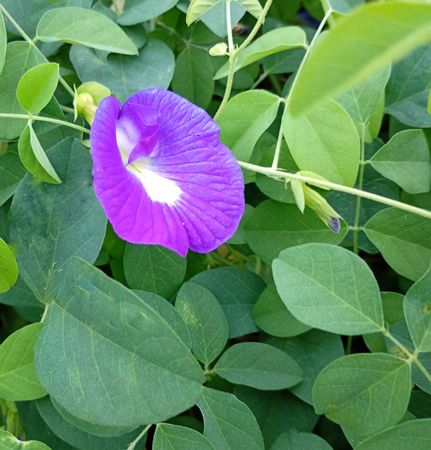
The butterfly pea (Clitoria ternatea) is a tropical climbing vine native to Asia and Africa, belonging to the Fabaceae family. It is widely recognized for…
What is Butterfly pea?
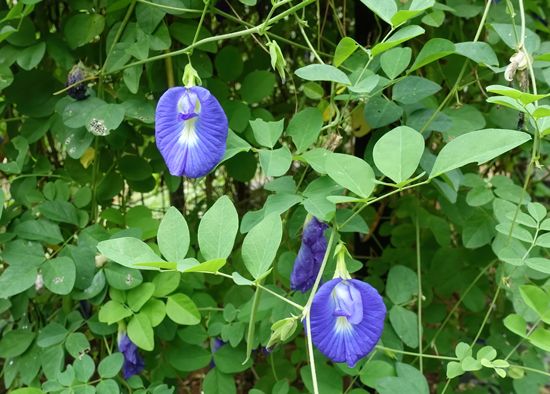
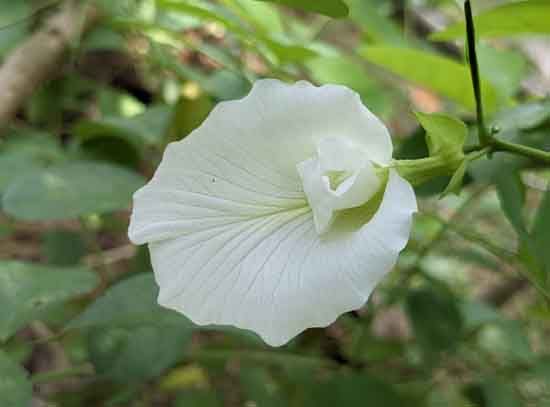
The butterfly pea (Clitoria ternatea) is a tropical climbing vine native to Asia and Africa, belonging to the Fabaceae family. It is widely recognized for its vivid blue, white, or purple flowers, which have a unique shape that inspired its genus name, Clitoria, due to their resemblance to human female genitalia.12
This perennial plant is highly valued for its versatility:
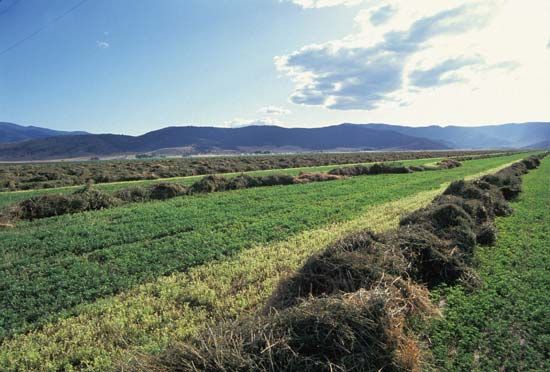
- Agriculture: As a legume, it enriches soil with nitrogen and is used as a fodder crop for livestock.1
- Culinary & Cosmetic: The blue flowers are used to create a popular, color-changing herbal beverage; the drink shifts from blue to purple or red when acidic ingredients like lemon are added. It is also used as a natural food colorant and in skincare products.1
- Medicinal & Spiritual: In traditions like Ayurveda, it is used to treat various ailments, including headaches and inflammation. In India, it holds spiritual significance, often associated with the goddess Durga.1
How do nitrogen-fixing bacteria help improve soil fertility?
Nitrogen-fixing bacteria improve soil fertility by converting atmospheric nitrogen—which is largely inaccessible to plants—into inorganic compounds like ammonia or nitrates that plants can readily absorb and metabolize.345
These microorganisms function through two primary methods:
- Symbiotic Relationships: Bacteria such as Rhizobium form mutualistic associations with leguminous plants. The bacteria invade the plant’s root hairs, stimulating the formation of root nodules. Within these nodules, the bacteria fix nitrogen for the host plant, which in turn provides the bacteria with a home and nutrients. When the plant dies or its roots decay, these nitrogen compounds are released into the soil, enriching it for other vegetation.34
- Free-living Bacteria: Microorganisms like Azotobacter and certain cyanobacteria live independently in the soil or aquatic environments, fixing nitrogen directly into the surrounding ecosystem.35
Beyond direct fertilization, these bacteria support sustainable agricultural practices like crop rotation and the use of cover crops, which help prevent soil erosion and maintain soil health without relying solely on synthetic fertilizers.4
What are some other plants that are part of the Fabaceae family?
The Fabaceae family, also known as the legume family, is one of the largest and most economically significant groups of flowering plants. Beyond the well-known soybeans, peanuts, and garden peas, the family includes a vast array of species used for food, forage, and industry.67
Common examples of plants in the Fabaceae family include:
- Food Crops: Beans, chickpeas, lentils, cowpeas, pigeon peas, carob, and tamarind.87
- Forage & Soil Improvement: Alfalfa, clovers, vetches, bird’s-foot trefoil, and various species of Acaciatrefoil), and various species of Acacia.7
- Specialized & Tropical Species: The winged bean, moth bean, rice bean, Bambara groundnut, and the yam bean.8
- Ornamentals: Trees such as the redbud (Cercis siliquastrum) and the orchid tree.8
These plants are essential to global agriculture due to their high protein content and their ability to improve soil fertility through nitrogen fixation.87
Why does the butterfly pea tea change color when lemon is added?
The color change in butterfly pea tea when lemon is added is due to the presence of anthocyanins, a class of water-soluble flavonoid pigments found in the plant’s petals.91
Anthocyanins are sensitive to the pH levels of their environment. In a neutral solution, these pigments typically appear blue or violet. However, when an acidic substance like lemon juice is added, the increase in acidity alters the chemical structure of the anthocyanins, causing the tea to shift in color—often turning deep purple or red. This reaction is a natural property of these pigments, which also serve to attract pollinators to the butterfly pea flower in nature.91
Sources
- Butterfly pea — Encyclopædia Britannica
- Butterfly pea: Top Questions — Encyclopædia Britannica
- Nitrogen-fixing bacteria — Encyclopædia Britannica
- Fabaceae - Nitrogen fixation — Encyclopædia Britannica
- nutrition - Nutrition in plants — Encyclopædia Britannica
- Fabaceae — Encyclopædia Britannica
- Fabaceae - Food and fodder crops — Encyclopædia Britannica
- Fabales — Encyclopædia Britannica
- Anthocyanin — Encyclopædia Britannica
Published on · 3 min read