Bearberry
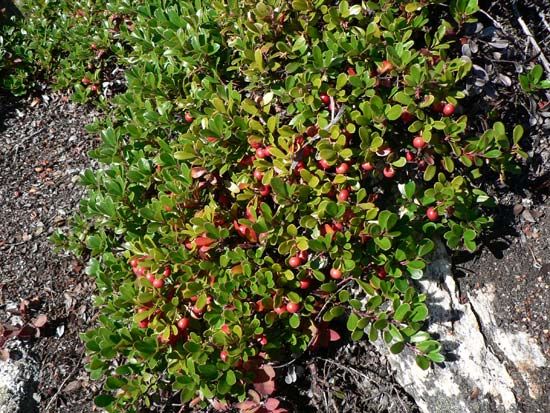
Bearberry (Arctostaphylos uva-ursi) is a flowering, prostrate evergreen shrub belonging to the heath family (Ericaceae).
What is bearberry and where does it typically grow?
Bearberry (Arctostaphylos uva-ursi) is a flowering, prostrate evergreen shrub belonging to the heath family (Ericaceae).1
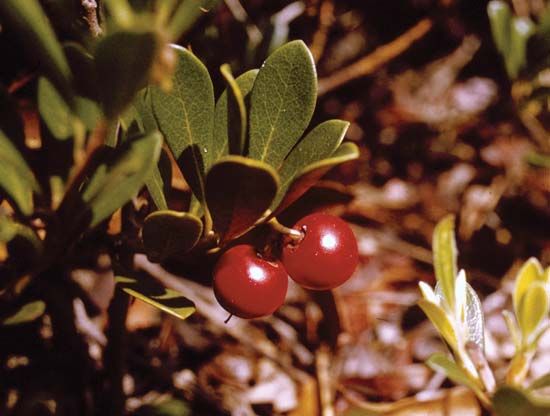
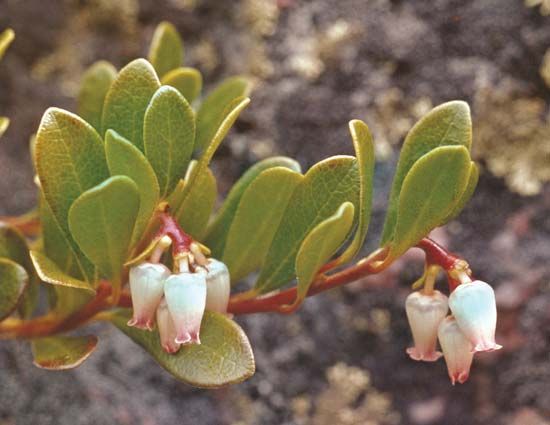
Characterized by woody stems that can reach lengths of 1.5 to 1.8 meters (5 to 6 feet), the plant spreads to form a dense ground cover. Its foliage often turns a bronzy hue during the winter, and it produces small, bell-shaped flowers in the spring, followed by red berries.1
Regarding its habitat, bearberry is widely distributed across the northern regions of Europe, Asia, and North America. It typically thrives in rocky or sandy woodlands and various open environments.1
What are the distinctive features of the bearberry plant?
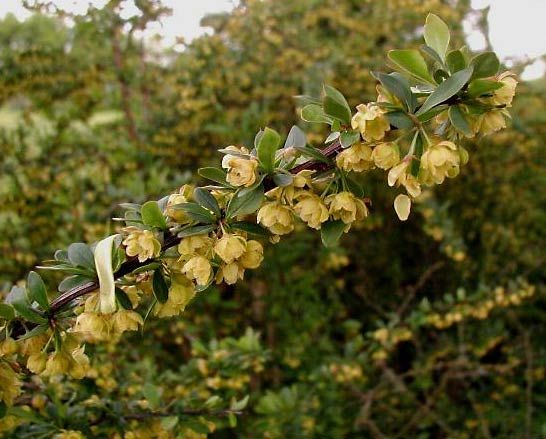
It is important to clarify that the bearberry (Arctostaphylos uva-ursi) is a distinct plant from the barberry (Berberis), which is a thorny shrub in the family Berberidaceae.12
The bearberry is a prostrate evergreen shrub belonging to the heath family (Ericaceae) with several unique physical characteristics:
- Growth Habit: It features woody, trailing stems that grow 1.5–1.8 meters (5–6 feet) long. The plant develops roots from these stems, allowing it to spread and form a massive, dense ground cover.1
- Foliage: The leaves have rolled margins and are fringed with hairs. Notably, the foliage shifts to a bronzy color during the winter months.1
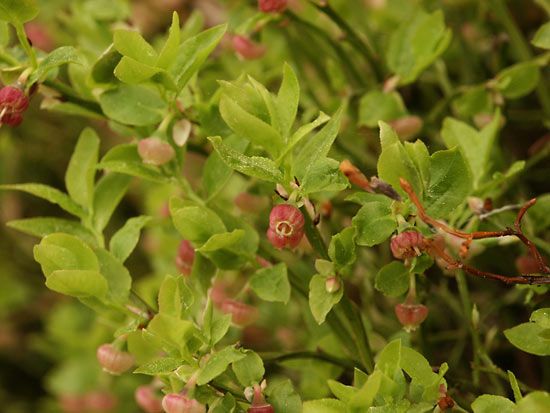
- Flowers: In early spring, the plant produces small, narrow-mouthed, bell-shaped flowers that appear in clusters at the ends of twigs. These flowers can be white, pink, or pink-tipped.1
- Fruit: The plant is named for its red berries.13
What are the different species of bearberry and how do they differ?
It is a common misconception that there are multiple species of “bearberry.” In botanical terms, the name bearberry refers specifically to a single species, Arctostaphylos uva-ursi.42
While the genus Arctostaphylos contains approximately 50 species of evergreen shrubs and trees known as manzanita, the bearberry is the only member of this genus that is not restricted to western North America; it is found throughout the northern regions of Europe, Asia, and North America.4
Other plants, such as those in the genus Berberis (commonly called barberry), are sometimes confused with bearberry due to their similar names, but they belong to an entirely different family (Berberidaceae) and possess distinct features like thorns and yellow wood.1
Because bearberry is a singular species, there are no “different species” to compare within that specific common name.
Why is it called a bearberry?
The name “bearberry” is derived from the observation that bears are known to consume the plant’s fruit. As omnivorous animals, bears include a wide variety of vegetation in their diets, such as roots, shoots, and various types of berries.13
The plant, scientifically known as Arctostaphylos uva-ursi, is also historically referred to as “bear’s-grape” or “bear grape,” further reflecting this association with the animal. While the plant is a common food source for bears, it is also a widespread evergreen shrub that forms dense ground cover across northern regions of Europe, Asia, and North America.56
Sources
- bearberry — Encyclopædia Britannica
- barberry — Encyclopædia Britannica
- bearberry — Merriam-Webster
- manzanita — Encyclopædia Britannica
- bear's-grape — Merriam-Webster
- 9 of the World’s Deadliest Mammals - Bears (Family Ursidae) — Encyclopædia Britannica
- brown bear — Encyclopædia Britannica
Published on · 2 min read