Berberidaceae
Berberidaceae, commonly known as the barberry family, is a group of plants within the buttercup order (Ranunculales). This family consists of 14 genera and…
What is Berberidaceae?
Berberidaceae, commonly known as the barberry family, is a group of plants within the buttercup order (Ranunculales). This family consists of 14 genera and approximately 701 species of perennial herbs and shrubs that are found throughout most temperate regions of the world.1
Many of the shrub forms in this family are characterized by spines or leaves with spiny margins. The flowers are highly variable in form, typically featuring sepals and petals arranged in several series, with fruit that develops as either a berry or a capsule.12
The largest and most significant genus is Berberis, which includes about 500 species, such as the common barberry. Other notable members include:1
- Mayapple (Podophyllum peltatum), a woodland wildflower.1
- Oregon grape (Mahonia), a genus of broad-leaved evergreen shrubs.1
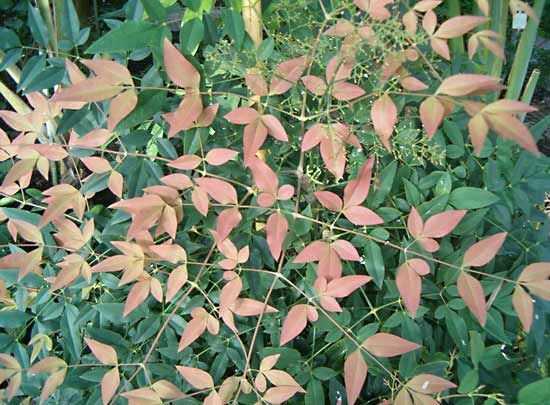
- Heavenly bamboo (Nandina domestica), often grown as an indoor plant.1
- Bishop’s hat (Epimedium), a perennial used as ground cover.1
- Twin leaf (Jeffersonia diphylla).1
What are the main differences between herbs and shrubs?
The primary distinction between herbs and shrubs lies in their physical structure and the presence of woody tissue.
Herbaceous Plants
An herbaceous plant is defined by its lack of persistent woody tissue. These plants typically possess flexible, green stems and often die back to the ground at the end of a growing season, persisting through winter via underground storage organs like bulbs, rhizomes, or corms. While the term “herb” is often used in a culinary or medicinal context to describe plants valued for their flavor or therapeutic properties, botanically, it refers to these non-woody species.45
Shrubs
In contrast, a shrub is a woody plant characterized by having several stems rather than a single dominant trunk. Shrubs are generally less than 3 meters (10 feet) tall. Unlike herbaceous plants, shrubs maintain persistent woody tissue that allows them to survive above ground throughout the year.6
It is important to note that these categories can sometimes overlap. Some plants, such as lavender, are considered “semiwoody” because they undergo enough secondary growth to blur the line between herbaceous and woody classifications.4
How do plants in the Ranunculales order relate to each other?
The Ranunculales order, often called the buttercup order, serves as a significant group within the peripheral eudicots. The seven families within this order—Berberidaceae, Circaeasteraceae, Eupteleaceae, Lardizabalaceae, Menispermaceae, Papaveraceae, and Ranunculaceae—are linked by shared evolutionary and morphological traits.10
Key characteristics that unite these families include:
- Pollen Structure: Like other eudicots, members of this order typically possess pollen with three openings (colpi), a feature that distinguishes them from monocotyledons and basal angiosperms.10
- Chemical Composition: They generally lack the ethereal oils found in many basal flowering plants and frequently contain a variety of alkaloids, some of which are toxic to humans and livestock.10
- Floral Evolution: In this order, petals are believed to have evolved from staminodes (sterile stamens) rather than from bracts. Additionally, most members exhibit unfused carpels.10
While the order encompasses a diverse range of growth forms—including annual and perennial herbs, woody vines, shrubs, and occasionally trees—the APG system classifies these families together based on molecular evidence, presuming they are monophyletic and derived from a common ancestor.1011
Why do some plants in the Berberidaceae family have spines?
In the Berberidaceae family, the presence of spines or spiny-margined leaves serves as a structural defense mechanism against herbivory.131
Plants are subject to constant pressure from various herbivores, including insects and mammals, which consume plant tissues such as leaves and stems. To counter this, many species have evolved physical defenses to protect themselves from predation. Spines are a common form of these structural modifications; they act as a deterrent, making the plant more difficult or painful for animals to consume.1314
While some plants rely on chemical defenses like alkaloids, others utilize structural means—such as toughened leaves, trichomes, or spines—to protect their tissues, particularly in mature growth stages. In the case of the barberry family, these features help ensure the survival of the plant in its temperate habitats.131
Sources
- Berberidaceae — Encyclopædia Britannica
- Berberidaceae — Merriam-Webster
- Berberidopsidales — Encyclopædia Britannica
- shrub — Encyclopædia Britannica
- herbaceous plant — Encyclopædia Britannica
- herb — Merriam-Webster
- herb — Merriam-Webster
- horticulture - Temperate zones — Encyclopædia Britannica
- life span - Perennials — Encyclopædia Britannica
- Ranunculaceae — Encyclopædia Britannica
- Ranunculales — Encyclopædia Britannica
- angiosperm - Annotated classification — Encyclopædia Britannica
- Eating the rainforest — Encyclopædia Britannica
- angiosperm - Leaf modifications — Encyclopædia Britannica
Published on · 3 min read