Barrel Cactus
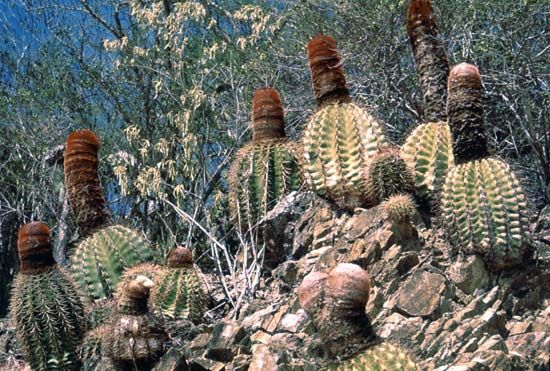
Barrel cacti are a group of cacti (family Cactaceae) characterized by their distinct, generally barrel-shaped or globular stems. While the term is most…
What are the defining characteristics of barrel cacti?
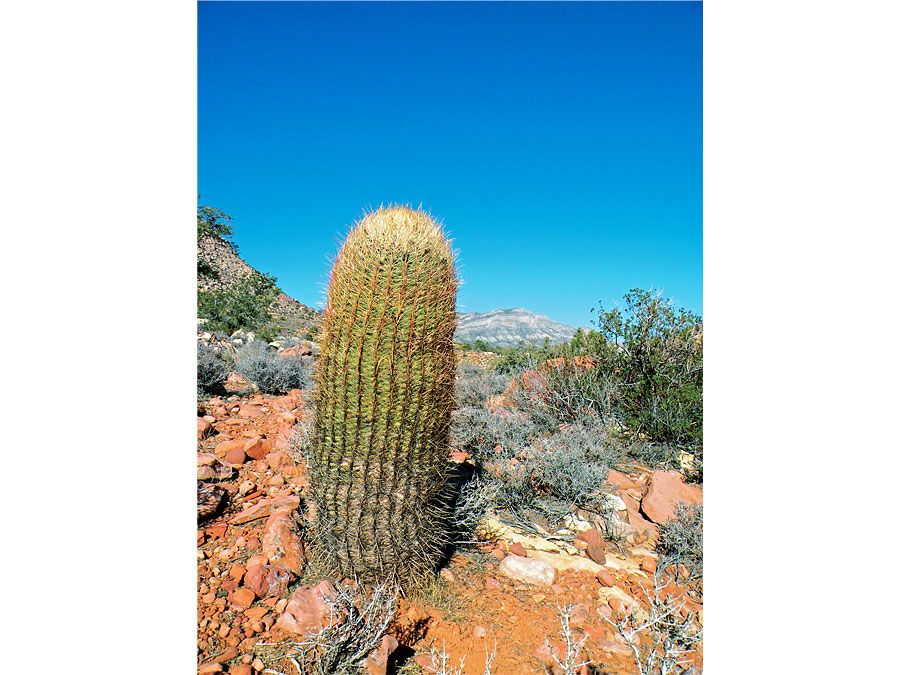
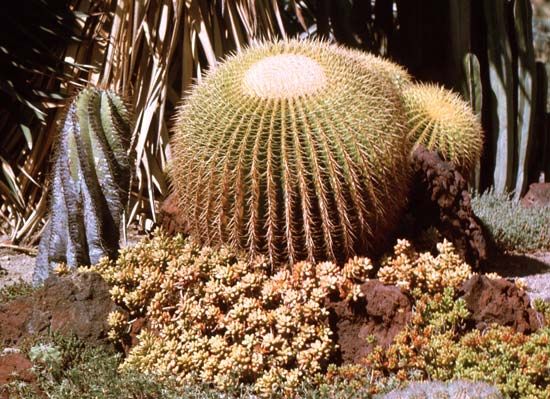
Barrel cacti are a group of cacti (family Cactaceae) characterized by their distinct, generally barrel-shaped or globular stems. While the term is most commonly associated with the genera Ferocactus and Echinocactus, it also encompasses various other genera such as Sclerocactus and Thelocactus.12
Key defining characteristics include:
- Shape and Structure: These plants are typically globose to cylindroid in shape, often featuring prominent, deep ribs or tubercles.12
- Spines: They are generally spiny, with some species possessing strong, stiff spines that can reach up to 10 cm (4 inches) in length. Certain species, particularly those in the Sclerocactus genus, are known as “fishhook cacti” due to their hooked central spines.1
- Size: They vary significantly in size; for instance, Echinocactus species typically grow to about 60 cm high, while Ferocactus can reach heights of up to 3 meters (10 feet).1
- Flowers: They produce solitary, often showy flowers in a range of colors, including yellow, orange, purple, pink, and cream.1
What are some interesting facts about barrel cacti that make them unique among desert plants?
Barrel cacti are fascinating members of the cactus family that possess unique adaptations for survival in harsh desert environments. Here are some interesting facts that distinguish them:
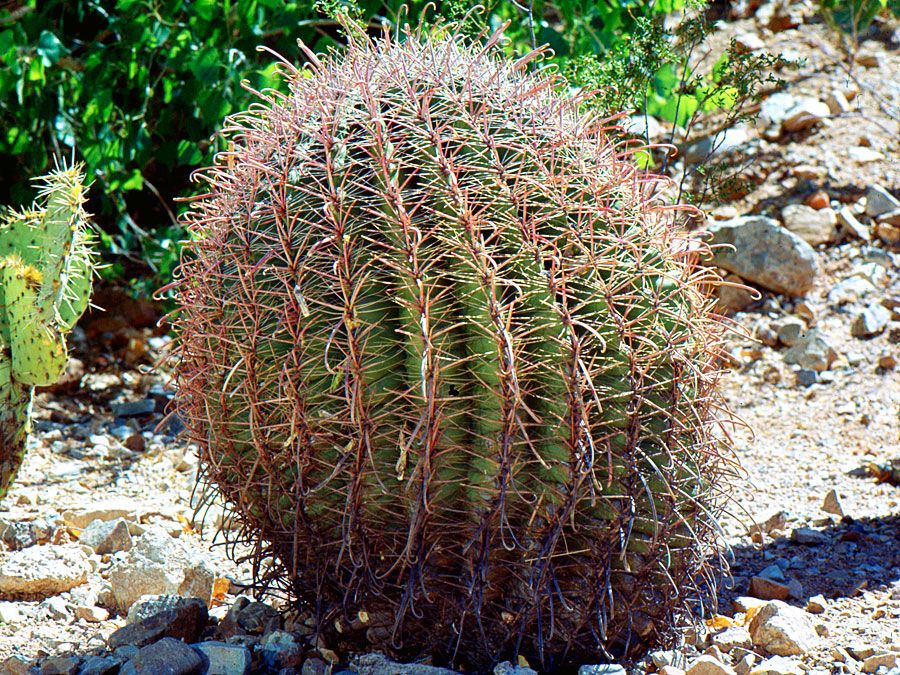
- Survival Hydration: Contrary to the popular myth that all cacti are filled with drinkable water, most species protect their moisture with acrid acids and toxic alkaloids. However, the fishhook barrel cactus (Ferocactus wislizeni) is a notable exception; it contains lower concentrations of these chemicals, making it one of the few cacti that could provide hydration in a survival emergency.4
- Specialized Anatomy: These plants are defined by their globular or barrel-shaped stems, which are covered in deep, prominent ribs. These ribs allow the stem to expand and contract as the plant stores water during rare rainfall events.3
- Defensive Architecture: Beyond their intimidating, stiff spines—which can reach up to 10 cm (4 inches) in length—many barrel cacti, such as those in the Sclerocactus genus, feature hooked central spines. These are often called “fishhook cacti” and serve as a formidable deterrent to thirsty desert animals.3
- Metabolic Efficiency: Like many succulents, barrel cacti utilize crassulacean acid metabolism. By keeping their stomata closed during the hot day and opening them only at night, they significantly minimize water loss through transpiration.2
Where are barrel cacti typically found in their natural habitat?
Barrel cacti are native to the Americas, with their natural habitats spanning across North and South America. They are particularly well-adapted to dry, arid environments.21
Specific distribution patterns include:
- Southwestern United States and Mexico: The genera Ferocactus and Echinocactus, which are the most common groups referred to as barrel cacti, are primarily found in the dry regions of the southwestern United States and throughout Mexico.32
- Colorado Plateau: Certain species, such as the small-flowered fishhook cactus (Sclerocactus parviflorus), are native to the Colorado Plateau.2
- Diverse Environments: While many species inhabit desert landscapes, others are found in widely scattered colonies across various dry environments in North and South America.21
How do Indigenous peoples and others use barrel cacti?
While barrel cacti are widely recognized for their role as ornamental plants, their utility for humans is limited by their biological defenses. Most species contain acrid acids and toxic alkaloids that protect them from desert animals, making them generally unsuitable for consumption.3
However, there are specific historical and practical uses:
- Emergency Hydration: The fishhook barrel cactus (Ferocactus wislizeni) is a notable exception to the toxicity rule. Because it contains lower concentrations of detrimental chemicals compared to other species, it has been used as a source of emergency hydration in survival situations.3
- Traditional Medicine: Many cactus species, including various barrel cacti, hold local importance in traditional medicine practices, though specific applications vary by region and cultural tradition.5
- Ornamental Cultivation: Barrel cacti are extensively cultivated as ornamentals due to their striking shapes and spines. For example, the golden barrel cactus (Echinocactus grusonii) is a popular choice for desert landscaping and home collections.2
It is important to note that while some cacti are used as food or livestock fodder, barrel cacti are not typically utilized for these purposes due to their chemical composition and defensive spines.53
Sources
- barrel cactus — Encyclopædia Britannica
- barrel cactus — Merriam-Webster
- cactus — Encyclopædia Britannica
- Succulent — Encyclopædia Britannica
- Can You Drink Water from a Cactus? — Encyclopædia Britannica
- Ferocactus — Merriam-Webster
Published on · 3 min read