Cactus
Cacti have evolved several specialized adaptations to thrive in arid environments, primarily focused on water conservation and efficient storage.
How have cacti adapted to survive in harsh, arid environments?
Cacti have evolved several specialized adaptations to thrive in arid environments, primarily focused on water conservation and efficient storage.
- Water Storage: Cacti are succulents with thick, fleshy stems that serve as their primary water-storage organs. These stems contain mucilaginous substances that help prevent moisture loss.12
- Leaf Modification: In most species, leaves are absent or reduced to spines. This minimizes surface area to reduce water loss, protects the plant from herbivores, radiates heat, and collects condensed water vapor at night.23
- Photosynthesis: Cacti utilize crassulacean acid metabolism (CAM). Unlike most plants, they keep their stomata closed during the hot day to prevent transpiration and open them at night to take in carbon dioxide.14
- Root Systems: Their root systems are typically thin, fibrous, and shallow, allowing them to spread widely and quickly absorb superficial moisture from infrequent rainfall.2
These features classify cacti as xerophytes, plants specifically equipped to survive in dry habitats.5
How do people cultivate cacti as houseplants, and what are some common care tips?
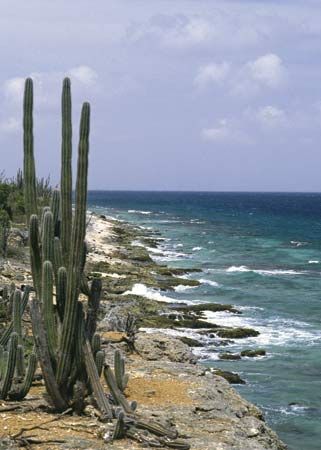
Cultivating cacti as houseplants is popular due to their unique forms and ability to thrive with minimal maintenance. Because they are native to the Western Hemisphere, they are biologically adapted to store water in their thick, fleshy bodies, which dictates their care requirements.6
Essential Care Tips
- Light: Cacti generally thrive in environments with plenty of sunlight. Placing them in a bright, sunny location is crucial for their health and development.6
- Watering: These plants require very little water. Overwatering is a common mistake; it is best to allow the soil to dry out significantly between waterings to mimic their natural, arid habitats.6
- Variety Selection: When choosing a cactus for your home, consider the specific growth habits of the species. For example, Rebutia and Parodia are excellent for indoor spaces because they bloom even when they are young and small, while others like Cereus can grow quite large over time.6
- Specialized Types: Note that not all cacti have the same needs; for instance, tropical forest cacti like Rhipsalis or Epiphyllum may require different care than desert-dwelling species.6
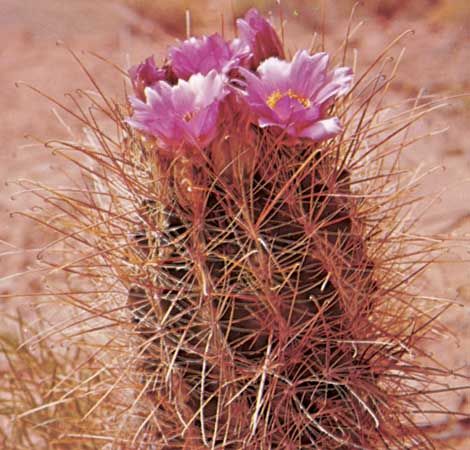
How do cacti reproduce and what role do their flowers play?
Cacti reproduce through both sexual and asexual methods, ensuring their survival across diverse environments.7
Sexual Reproduction
The primary method of reproduction for cacti is through seeds. This process relies on flowers, which are typically large, colorful, and solitary. These flowers serve as the essential reproductive organs, containing a floral tube, an ovary, and a style topped with stigmas to receive pollen.73
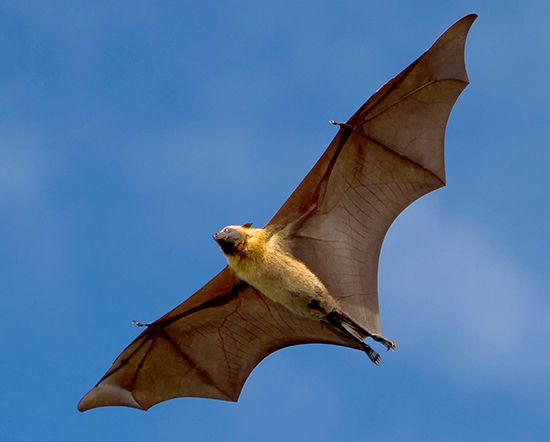
- Pollination: Because there is no precise mechanism governing the pathway of pollinators, the process is often haphazard. Cacti rely on insects, birds, and bats to transfer pollen7.37
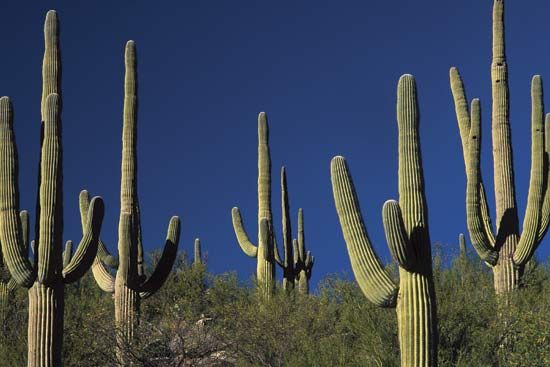
- Timing: Many species bloom during the day to attract day-flying pollinators, while others, such as the saguaro, bloom at night and are typically white-flowered to remain visible to nocturnal visitors.3
- Fruit Development: Following successful pollination, the floral tube detaches, and the ovary develops into a berry containing numerous seeds.7
Asexual Reproduction
Cacti also utilize vegetative reproduction to create clonal individuals, which is particularly useful for rapid colonization.37
- Fragmentation: Many species can reproduce when segments break off the main plant and readily take root in the soil.7
- Offsets: Some cacti develop plantlets at ground level, known as offsets or “pups,” which grow into new, independent plants.7
- Creeping Growth: Certain species spread across the ground, sending out new roots wherever the stem contacts the soil.3
What are some of the most unusual or rare species of cacti?
The cactus family (Cactaceae) contains nearly 2,000 species, many of which exhibit highly unusual physical characteristics and adaptations. Here are some of the most notable and rare examples:
- Living-rock cactus (Ariocarpus): These low-growing plants are famous for their lack of spines, instead featuring a rosette of triangular, horny tubercles. They are native to limestone-rich soils in Texas and Mexico and store water in a thickened taproot. Several species, such as A. agavoides, are considered endangered due to habitat loss and overcollecting.1213
- Old-man cactus (Cephalocereus senilis): This columnar cactus is distinguished by the long, unkempt wisps of white hair that cover its stem, which serve to protect the plant. It can grow to impressive heights, often reaching 6 to 12 meters.14
- Moon cactus (Gymnocalycium mihanovichii): A mutant variety of the chin cactus, this plant lacks chlorophyll, giving it a vibrant red color. Because it cannot produce its own food, it must be grafted onto a green, photosynthetic cactus to survive.15
- Peyote (Lophophora williamsii): A small, buttonlike cactus known for its hallucinogenic properties, which have been utilized in ceremonial contexts since pre-Columbian times.3
Sources
- Succulent — Encyclopædia Britannica
- Plant - Specific variations in photosynthesis — Encyclopædia Britannica
- cactus — Encyclopædia Britannica
- Angiosperm - Leaf modifications — Encyclopædia Britannica
- Xerophyte — Encyclopædia Britannica
- houseplant - Succulents — Encyclopædia Britannica
- Caryophyllales - Cactaceae — Encyclopædia Britannica
- cycadophyte - Gametophyte phase — Encyclopædia Britannica
- Botanical Sex: 9 Alluring Adaptations — Encyclopædia Britannica
- aloe vera: Top Questions — Encyclopædia Britannica
- Reproduction - Reproduction of organisms — Encyclopædia Britannica
- living-rock cactus — Encyclopædia Britannica
- chin cactus — Encyclopædia Britannica
- list of plants in the family Cactaceae — Encyclopædia Britannica
- Ariocarpus — Merriam-Webster
- old man cactus — Encyclopædia Britannica
- sea-urchin cactus — Encyclopædia Britannica
Published on · 4 min read