Beehive Cactus
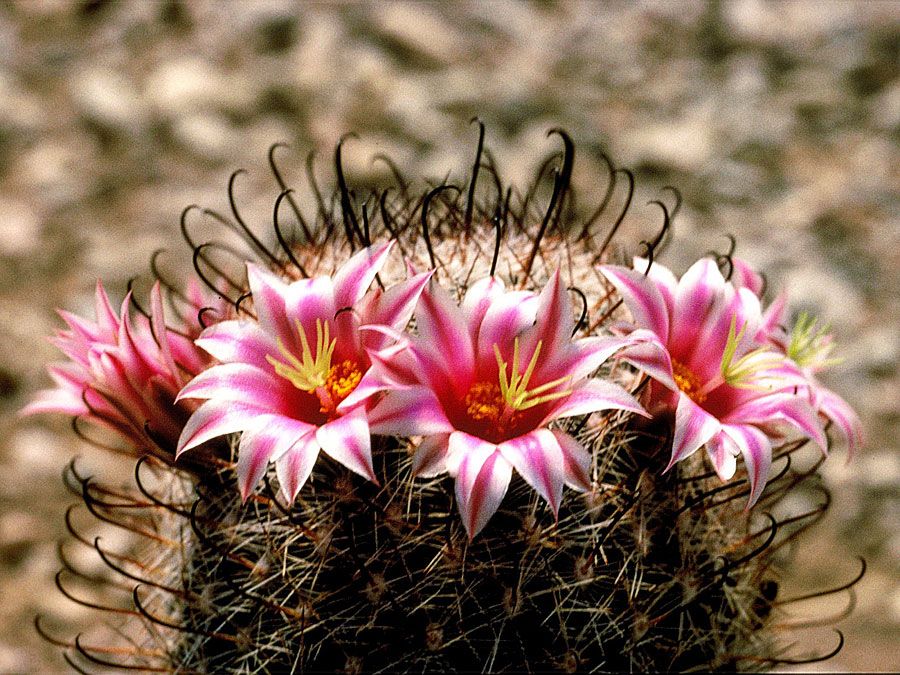
The beehive cactus (Coryphantha) is characterized by its globose to cylindroid shape and distinct tubercles, which feature a groove connecting the spine and…
What are the unique features of the beehive cactus’s flowers and how do they attract pollinators?
The beehive cactus (Coryphantha) is characterized by its globose to cylindroid shape and distinct tubercles, which feature a groove connecting the spine and flower-bearing parts. Their flowers are notably large relative to the size of the plant and appear in a variety of vibrant colors, including lavender, rose purple, pink, orange, yellow, and white.1
Regarding your query about how these specific flowers attract pollinators, the provided search results do not contain information detailing the pollination mechanisms or specific attractants used by the genus Coryphantha. While the provided text discusses various fascinating pollination strategies—such as sexual deception, buzz pollination, and carrion mimicry—these examples pertain to other plant groups and do not mention the beehive cactus.2
Can beehive cacti be grown as houseplants, and if so, what care do they require?
Yes, beehive cacti (Coryphantha) can be grown as ornamental plants, as several species within this genus are cultivated for their unique appearance.1
While specific indoor care instructions for Coryphantha are not detailed in the provided search results, they share the fundamental biological traits of other cacti commonly kept as houseplants. Like other succulents, these plants are adapted to store water in their thick, fleshy bodies and generally thrive in environments with abundant sunlight and minimal water requirements.3
When cultivating cacti indoors, it is essential to provide well-draining soil and ensure the plant is placed in a location that receives significant light to maintain its health and structure. Because some species are listed as endangered on the IUCN Red List, it is important to ensure that any specimens acquired for home cultivation are sourced from reputable, legal nurseries rather than collected from the wild.1
What are the defining characteristics of a beehive cactus?
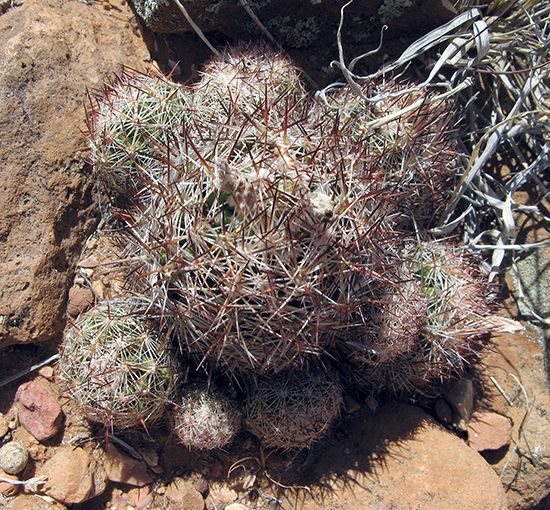
The beehive cactus, belonging to the genus Coryphantha, is a group of nearly 60 species native to western North America and central Mexico. These plants are defined by several key physical characteristics:1
- Form: They are globose to cylindroid in shape and feature protuberances known as tubercles, which do not form true ribs.1
- Distinctive Groove: A defining feature of the genus is a groove located on the top of the tubercle that connects the spine and flower-bearing parts; this trait distinguishes Coryphantha from the related genus Mammillaria.1
- Flowers and Fruit: The flowers are notably large relative to the plant’s size and appear in colors including lavender, rose purple, pink, orange, yellow, and white. The fruits are edible berries that are green, red, or yellowish, containing seeds with a netlike, or reticulate, pattern.1
How do beehive cacti differ from other types of barrel cacti?
Beehive cacti (Coryphantha) are distinct from barrel cacti, which are primarily categorized under the genera Ferocactus and Echinocactus.1
The primary differences lie in their structural anatomy:
- Surface Structure: Beehive cacti are characterized by protuberances known as tubercles that do not connect to form true ribs. In contrast, barrel cacti are typically defined by their prominent, well-defined ribs that run vertically along the stem.4
- Tubercle Grooves: A defining feature of the beehive cactus is a distinct groove on the top of each tubercle, which serves to connect the spine-bearing and flower-bearing parts of the plant. This anatomical feature is absent in the barrel cactus genera.4
- Size and Growth: While both groups can exhibit globose to cylindroid shapes, beehive cacti are generally smaller, with some species reaching only 15 cm in height, whereas many barrel cacti are known for their larger, more robust, and often solitary barrel-like stature.41
Sources
- beehive cactus — Encyclopædia Britannica
- Botanical Sex: 9 Alluring Adaptations — Encyclopædia Britannica
- houseplant - Succulents — Encyclopædia Britannica
- list of plants in the family Cactaceae — Encyclopædia Britannica
Published on · 3 min read