Monarda
Monarda is a genus of 12 species of North American plants within the mint family (Lamiaceae). These plants are commonly known as bergamot, horsemint, or bee…
What is Monarda?
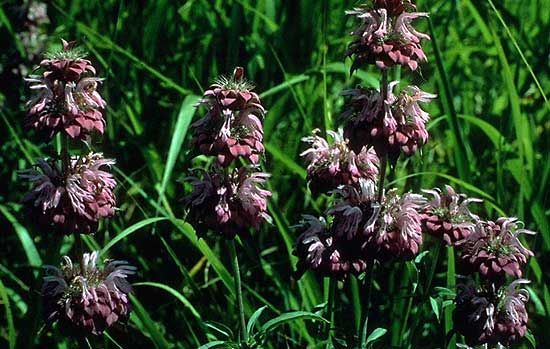
Monarda is a genus of 12 species of North American plants within the mint family (Lamiaceae). These plants are commonly known as bergamot, horsemint, or bee balm. They are characterized by their tubular, two-lipped flowers that bloom in various colors, including red, rose, lavender, yellow, and white.1
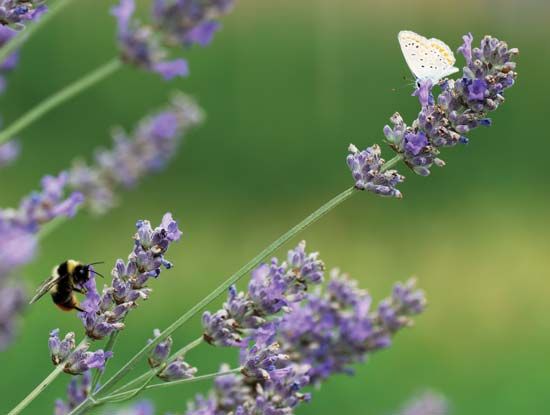
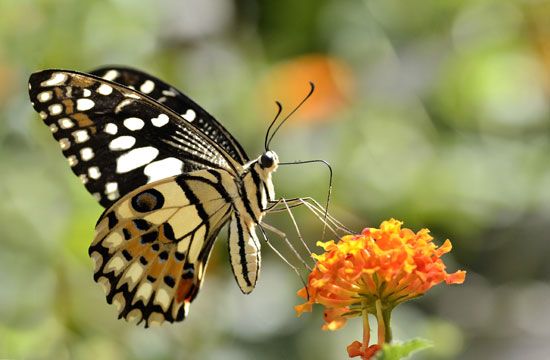
These perennial herbs are frequently grown as ornamentals to attract pollinators such as bees, butterflies, and hummingbirds. Certain species, such as Oswego tea (M. didyma), have historical significance; the leaves were used by the Oswego tribe and later adopted by American colonists as a tea substitute during boycotts of British goods. Other varieties, including wild bergamot (M. fistulosa) and lemon bee balm (M. citriodora), are also utilized for their aromatic properties in teas and as flavorings for beverages. The genus is named in honor of the 16th-century Spanish botanist Nicolás Monardes.213
Why is Monarda often called bee balm?
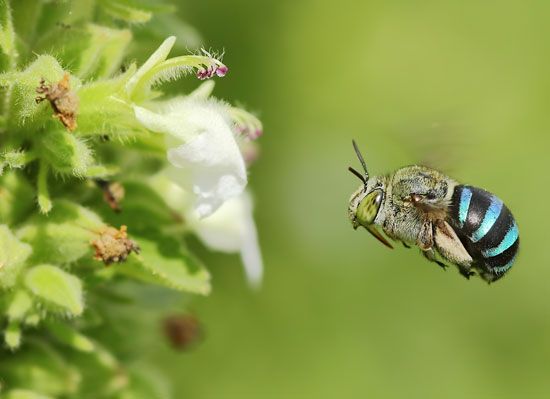
Monarda is commonly referred to as bee balm because these plants are highly effective at attracting bees and other pollinators to their nectar-rich, tubular flowers.412
The term reflects the plant’s role as a “bee flower,” a category of plants that have evolved specific physical and sensory traits to appeal to these insects. These flowers often feature a broad lower lip that serves as a landing platform, allowing bees to sit comfortably while they access the nectar and pollen inside. Furthermore, the aromatic, minty scent of Monarda—a characteristic of the mint family—is a key factor in drawing bees to the plant, as these insects are highly sensitive to floral fragrances and often develop a habit of visiting specific, abundant food sources.21
How does the mint family differ from other plant families?
The mint family (Lamiaceae) is distinguished from other plant families by a unique combination of vegetative and reproductive traits. Most notably, members of this family are characterized by their square stems and aromatic foliage, which often contain essential oils.6
Key identifying features include:
- Morphology: Plants typically have opposite, simple leaves and bilaterally symmetric, two-lipped tubular flowers6.6
- Ovary Structure: The ovary is composed of two carpels, each divided by a secondary partition to create four chambers, each containing a single ovule.7
- Fruit Development: A defining characteristic is that the style arises from a deep, central depression within the ovary. Upon maturity, the fruit typically separates into four distinct nutlets.7
While the mint family shares certain traits with the verbena family—such as opposite leaves and bilateral symmetry—they differ in the placement of the style and the nature of their mature fruits, which in the verbena family may manifest as berries or drupes rather than dry nutlets.7
What is the history of the Boston Tea Party and the use of Oswego tea?
The Boston Tea Party was a pivotal act of colonial resistance occurring on December 16, 1773. Protesting the Tea Act—which granted the East India Company a monopoly and allowed them to undersell smuggled tea—colonists disguised as Mohawk Indians boarded ships in Boston Harbor and destroyed 342 chests of tea.910
While the Boston Tea Party focused on British-imported tea, colonists often sought alternatives to avoid taxes and monopolies. One such substitute was Oswego tea, a beverage brewed from the leaves of Monarda didyma, a North American member of the mint family. First recorded in 1747, this plant—named after the Oswego River in New York—gained popularity as a local, non-taxed herbal infusion during the period of colonial unrest.11
The destruction of the East India Company’s cargo led directly to the punitive Intolerable Acts, further escalating tensions that fueled the American bid for independence.9
We could dive deeper into the economic impact of the Townshend duties or the broader role of herbal substitutes in colonial life.
Sources
- Monarda — Encyclopædia Britannica
- monarda — Merriam-Webster
- bergamot — Encyclopædia Britannica
- bee balm — Merriam-Webster
- pollination - Bees — Encyclopædia Britannica
- Lamiales - Main families — Encyclopædia Britannica
- list of plants in the family Lamiaceae — Encyclopædia Britannica
- Lamiales — Encyclopædia Britannica
- Oswego tea — Merriam-Webster
- How much tea was dumped during the Boston Tea Party? — Encyclopædia Britannica
- American colonies - The Boston Tea Party — Encyclopædia Britannica
Published on · 3 min read