Self-heal
Self-heal (genus Prunella) refers to a group of 13 species of low-growing perennials belonging to the mint family (Lamiaceae). Native to Eurasia and North…
What is Self-heal?
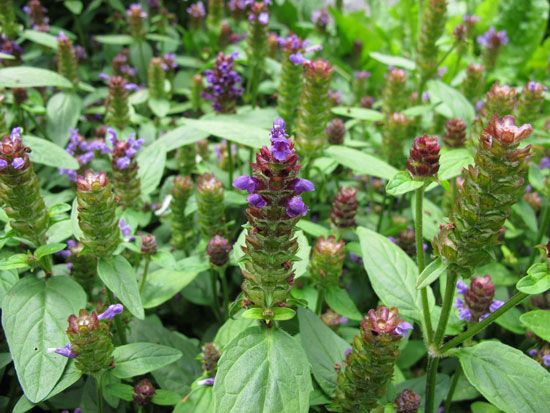
Self-heal (genus Prunella) refers to a group of 13 species of low-growing perennials belonging to the mint family (Lamiaceae). Native to Eurasia and North America, these plants are often found growing as weeds in lawns or disturbed areas.1
The plants are characterized by square stems with paired leaves and dense, spike-like clusters of small, two-lipped flowers. Because their prostrate branches root easily upon contact with soil, they can spread effectively in their environment.1
Historically, species such as common self-heal (Prunella vulgaris) were considered “cure-alls”—earning them names like “heal-all” or “allheal”—and they continue to be utilized in herbal medicine, particularly as a tea brewed from dried leaves and flowers to soothe sore throats.12
What are other common plants in the mint family?
The mint family (Lamiaceae) is a diverse group of approximately 7,280 species known for their aromatic properties, square stems, and paired leaves. Beyond the well-known mints, the family includes many plants valued as culinary herbs, ornamentals, and sources of essential oils.345
Common plants in the Lamiaceae family include:
- Culinary Herbs: Basil, oregano, marjoram, rosemary, sage, thyme, and savory are staples in kitchens worldwide.345
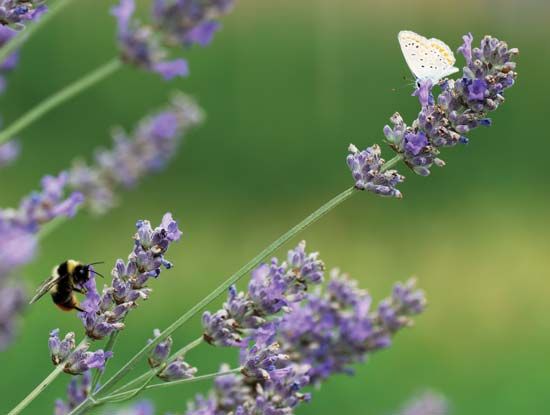
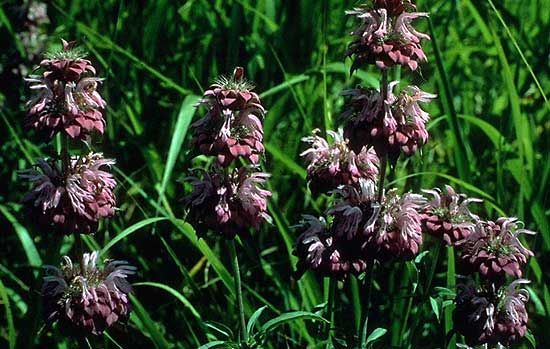
- Ornamentals: Lavender, bee balm (bergamot), coleus, lamb’s ears, and bells of Ireland are frequently grown for their aesthetic appeal in gardens and floral arrangements.345
- Other Notable Species: Catnip, horehound, hyssop, patchouli, and chia are also significant members of the family.35
While many of these plants are beneficial, it is important to note that some, such as pennyroyal, contain oils that are highly toxic if ingested and should be handled with extreme caution.6
How do perennials differ from annual plants?
Plants are categorized by their life cycles, which determine how long they live and how they reproduce. The primary difference between annuals and perennials lies in the duration of their growth and survival.8
- Annuals: These plants complete their entire life cycle—germination, growth, flowering, and seed production—within a single growing season. Once they produce seeds, the plant dies, and the seed is the only part that survives to the next season.89
- Perennials: These plants persist for several years. While the aboveground portions of herbaceous perennials may die back in autumn, the plant survives through specialized underground structures like bulbs, tubers, or rhizomes, allowing them to regrow and rebloom year after year.810
It is also worth noting the existence of biennials, which occupy a middle ground by completing their life cycle over two growing seasons; they grow vegetatively in the first year and produce flowers and seeds in the second before dying.11
What other plants were historically used as herbal remedies?
Throughout history, humans have relied on a vast array of plants for medicinal purposes, a practice documented in ancient herbals—manuals used to identify and prepare remedies. These practices, often rooted in trial and error, formed the basis of early folk medicine.121314
Many plants historically used for their curative properties remain significant today:
- Ancient Remedies: Ancient Chinese physicians used chang shan (Dichroa febrifuga) for fevers and ma huang (containing ephedrine) for various ailments. Egyptians utilized senna pods and castor oil for digestive issues, while peppermint and caraway were used for indigestion17.15
- Medicinal Herbs: Within the Lamiaceae (mint) family, hyssop, betony, and self-heal were historically regarded as curative or “cure-all” herbs.16
- Foundational Drugs: Modern medicine has validated many traditional uses. Quinine, derived from an Andean tree, became the original treatment for malaria; aspirin was developed from compounds found in willow bark; and Taxol, a cancer treatment, was originally extracted from the yew tree.17
While some historical practices were based on the “doctrine of signatures”—the belief that a plant’s appearance indicated its medicinal use—many other preparations provided genuine therapeutic effects that continue to influence modern pharmacology.1215
Sources
- self-heal — Encyclopædia Britannica
- heal-all — Merriam-Webster
- list of plants in the family Lamiaceae — Encyclopædia Britannica
- Lamiales - Lamiaceae — Encyclopædia Britannica
- list of economically important members of the family Lamiaceae — Encyclopædia Britannica
- Lamiales - Main families — Encyclopædia Britannica
- mint — Encyclopædia Britannica
- Is That Plant 'Perennial' or 'Annual'? — Merriam-Webster
- biennial — Encyclopædia Britannica
- perennial — Encyclopædia Britannica
- annual — Encyclopædia Britannica
- herbal — Encyclopædia Britannica
- spice and herb — Encyclopædia Britannica
- Did you know? — Merriam-Webster
- Lamiaceae — Encyclopædia Britannica
- history of medicine - Early medicine and folklore — Encyclopædia Britannica
- pharmaceutical industry - Medicines of ancient civilizations — Encyclopædia Britannica
Published on · 3 min read