Basking Shark
The basking shark (Cetorhinus maximus) is a massive, slow-swimming shark belonging to the family Cetorhinidae. It is the second-largest living fish…
What is basking shark?
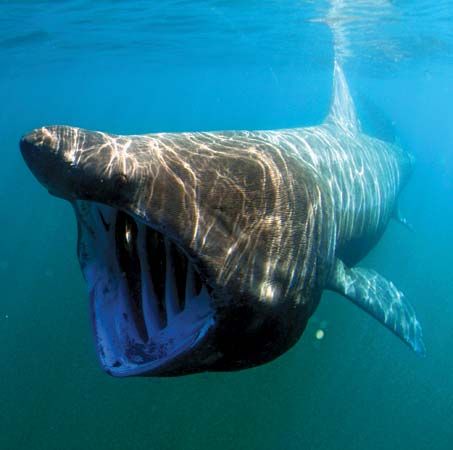
The basking shark (Cetorhinus maximus) is a massive, slow-swimming shark belonging to the family Cetorhinidae. It is the second-largest living fish, surpassed in size only by the whale shark in size only by the whale shark. Named for its habit of floating or swimming slowly at the surface, it is found in temperate coastal regions of the Atlantic and Pacific oceans.1
These giants can grow to lengths of 11 to 13.7 meters and weigh several tons. Despite their size, they are filter feeders that sift zooplankton and copepods from the water using tiny teeth and long gill slits. They are generally not considered dangerous to humans, as they subsist on minute organisms.123
The International Union for Conservation of Nature classifies the basking shark as an endangered species due to its slow reproductive cycle and historical harvesting for meat, fins, and liver oil.1
How does the whale shark compare to the basking shark in size and diet?
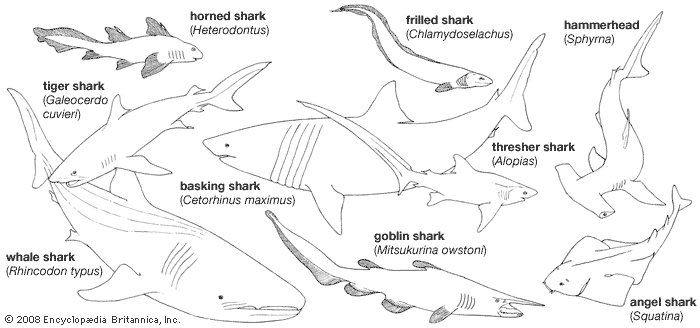
The whale shark and the basking shark are the two largest living species of fish, with the whale shark holding the title of the largest.14
Size Comparison
- Whale Shark: These giants can reach a maximum length of approximately 18 meters (59 feet), with studied specimens typically averaging about 12 meters (39 feet) and weighing around 15 tons.4
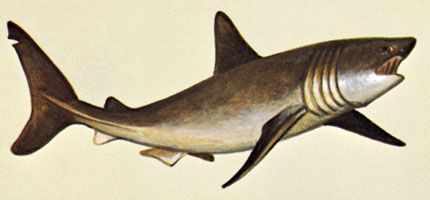
- Basking Shark: Generally smaller than the whale shark, most individuals grow to about 11 meters (36 feet) and weigh up to 3.9 metric tons.1
Diet and Feeding Habits
Both species are filter feeders that utilize specialized structures to strain minute organisms from the water, though their diets differ in variety:
- Basking Shark: This shark feeds exclusively or chiefly on zooplankton and copepods. It filters these organisms by swimming with its mouth wide open, passing thousands of liters of water per hour through modified gill rakers.15
- Whale Shark: While it also relies on filter feeding to consume plankton, zooplankton, and phytoplankton, its diet is more diverse. It is known to consume small and large fish, such as sardines, anchovies, and mackerel, as well as mollusks and squid.54
What are the primary threats contributing to the basking shark’s endangered status?
The International Union for Conservation of Nature classifies the basking shark as an endangered species primarily due to a combination of biological vulnerabilities and human-related pressures.1
Primary Threats
- Slow Reproductive Cycle: The species is particularly vulnerable because of its slow reproductive rate, with some scientists estimating that gestation may take as long as 3.5 years. This slow recovery rate makes it difficult for populations to rebound from losses.1
- Bycatch: Even though intentional hunting has largely ceased in many regions, basking sharks are frequently caught as bycatch in commercial fishing nets and other gear intended for different species.17
- Targeted Harvesting: While protections have increased, some countries continue to hunt the species for its liver oil—used in cosmetics, as an aphrodisiac, and as a source of Vitamin A—and for its fins, which are used in shark fin soup.1
While the species now enjoys legal protections in many areas, the ongoing challenge of accidental capture and the persistence of illegal trade continue to threaten their long-term survival.17
Why do basking sharks migrate across entire ocean basins?
Basking sharks migrate across entire ocean basins primarily in search of plankton sources. Because these sharks rely on filter feeding to consume vast quantities of zooplankton and copepods, their movements are driven by the seasonal availability of these food supplies, which swell in population during the summer in each hemisphere.1
In addition to feeding, the extensive movements of many shark species are often linked to reproductive activities or responses to seasonal environmental changes. While historical knowledge of these patterns was limited, modern tracking technologies—such as satellite tags—are helping scientists better understand the transoceanic and migratory behaviors of these large marine animals.8
Sources
- basking shark — Encyclopædia Britannica
- chondrichthyan - Danger to human life — Encyclopædia Britannica
- basking shark — Merriam-Webster
- chondrichthyan - Sharks — Encyclopædia Britannica
- whale shark — Encyclopædia Britannica
- white shark - Feeding habits — Encyclopædia Britannica
- Saving Sharks in the 2020s — Encyclopædia Britannica
- shark - Description and habits — Encyclopædia Britannica
Published on · 3 min read