Endangered Species
An endangered species is defined as any species at risk of extinction due to a sudden, rapid decline in its population or the loss of its critical habitat.
What is the definition of an endangered species?
An endangered species is defined as any species at risk of extinction due to a sudden, rapid decline in its population or the loss of its critical habitat.1
While the term broadly refers to any organism threatened with extinction, formal classification systems provide specific criteria to assess risk. For example, the International Union for Conservation of Nature (IUCN) classifies a species as “Endangered” if it faces a very high risk of extinction, often indicated by population declines of 50 to over 70 percent over three generations or a population size of fewer than 250 individuals.23
These assessments are essential for conservation, as they often inform national legislation like the United States Endangered Species Act, which mandates protections for at-risk organisms and their habitats. Because human activities are the primary drivers of biodiversity loss, these scientific frameworks are vital for monitoring and mitigating our impact on the planet.1435
What conservation efforts are being made to protect endangered species?
Conservation efforts to protect endangered species are multifaceted, involving legal frameworks, habitat management, and direct species interventions.
Legal and Policy Frameworks
National and international laws are foundational to conservation. In the United States, the Endangered Species Act (ESA) mandates the protection of threatened and endangered species and their critical habitats. It prohibits the unauthorized harvest, trade, or killing of these organisms and provides mechanisms for federal and state cooperation. Internationally, agreements like the Convention on International Trade in Endangered Species (CITES) regulate or prohibit the commercial trade of designated species to prevent overexploitation.653
Habitat Management and Restoration
Conservationists prioritize protecting large areas capable of supporting viable populations. When habitats are destroyed, restoration becomes necessary. This process involves:7
- Removing invasive species: Physically weeding nonnative plants or trapping invasive animals.78
- Restoring natural processes: Reintroducing ecological regimes, such as controlled burns, to maintain native plant communities.8
- Re-establishing species diversity: Using historical data to determine the correct mix of native species to replant in degraded areas.8
Species Interventions
When species are at extreme risk, direct intervention is often required:
- Protective Custody: Rare species may be brought into captivity—such as in zoos or botanic gardens—to prevent extinction until their natural habitats can be secured.9
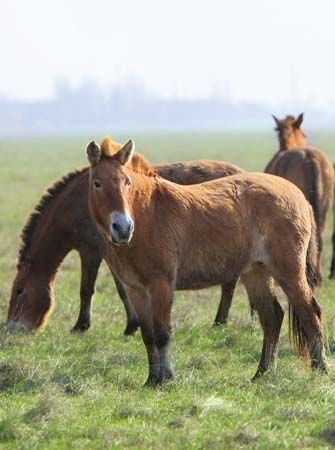
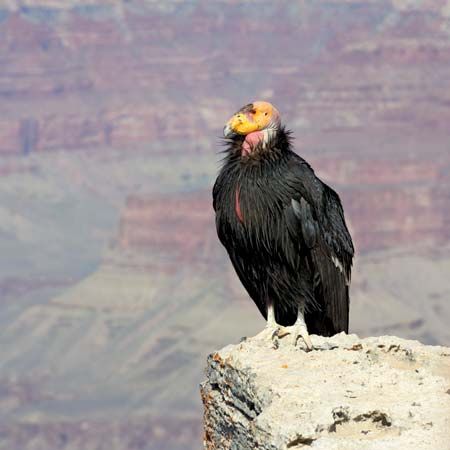
- Captive Breeding: Facilities like zoos conduct breeding programs to increase population numbers, which can then be reintroduced to the wild, as seen with the California condor and Przewalski’s horse.109
- Anti-Poaching Efforts: Protecting animals from illegal hunting, particularly for high-value products like rhinoceros horns, remains a critical and costly challenge for conservationists.5

What international agreements or laws exist to protect endangered species?
International efforts to protect endangered species rely on a combination of binding treaties and collaborative frameworks designed to regulate trade and promote biodiversity.
Key International Agreements
- Convention on International Trade in Endangered Species of Wild Fauna and Flora (CITES): Adopted in 1973, this legally binding agreement regulates the international trade of over 38,000 plant and animal species to ensure that commercial activities do not threaten their survival. CITES categorizes species into three appendices based on their risk level, with Appendix I providing the strictest protection by prohibiting commercial trade in species threatened with extinction.1112
- Convention on Biological Diversity: Established in 1992, this treaty focuses on the broader conservation of biodiversity and the sustainable use of genetic resources. It encourages member nations to enact domestic legislation to protect endangered species and restore sensitive ecosystems.13
- Convention on the Conservation of Migratory Species of Wild Animals (CMS): This agreement specifically addresses the protection of animals that migrate across national borders, ensuring their habitats are preserved throughout their migratory routes.3
These international agreements are often supported by national laws, such as the United States Endangered Species Act, which implement these global standards at the local level.314
What are some success stories of species that have recovered from endangered status?
Several species have made remarkable recoveries from the brink of extinction thanks to targeted conservation efforts, captive breeding programs, and legal protections.
Notable Success Stories
- California condor: Once declared extinct in the wild in 1987, this species was saved through an intensive captive-breeding program. By 2020, the population had grown to approximately 500 individuals, with about 330 living in the wild.1610
- Bald eagle: Following a severe decline caused by the pesticide DDT, the bald eagle was listed as endangered in 1978. After the 1972 ban on DDT and subsequent habitat protections, the population rebounded significantly, leading to its removal from the U.S. endangered species list in 2007.17
- American bison: By 1889, fewer than 1,000 bison remained in North America due to overhunting. Concerted conservation efforts and the establishment of government preserves helped the population recover to hundreds of thousands today, ensuring the species’ survival.18
- Przewalski’s horse: Declared extinct in the wild in the 1960s, this species was preserved through zoo-based breeding programs. By 2018, the population had increased to 2,400, with 800 individuals successfully reintroduced to the wild.10
- European bison: After becoming extinct in the wild following World War I, this species was reestablished using zoo-bred animals. Populations have continued to grow, with surveys estimating 2,500 mature animals by 2020.18
These recoveries demonstrate the effectiveness of combining legal frameworks, such as the Endangered Species Act, with active management and reintroduction strategies.917
Sources
- endangered species — Merriam-Webster
- endangered species - IUCN Red List of Threatened Species — Encyclopædia Britannica
- endangered species — Encyclopædia Britannica
- endangered species - Human beings and endangered species — Encyclopædia Britannica
- Endangered Species Act — Encyclopædia Britannica
- conservation - Preventing the loss of biodiversity — Encyclopædia Britannica
- conservation - Protecting species — Encyclopædia Britannica
- conservation - Habitat restoration — Encyclopædia Britannica
- Zoos - Pro 3: Zoos save species from extinction and other dangers. — Encyclopædia Britannica
- conservation - Protective custody — Encyclopædia Britannica
- Convention on International Trade in Endangered Species — Encyclopædia Britannica
- endangered species - CITES — Encyclopædia Britannica
- Convention on Biological Diversity — Encyclopædia Britannica
- poaching — Encyclopædia Britannica
- Environmental law - Command-and-control legislation — Encyclopædia Britannica
- California condor — Encyclopædia Britannica
- endangered species - The United States Endangered Species Act — Encyclopædia Britannica
- Bald eagle — Encyclopædia Britannica
- bison — Encyclopædia Britannica
Published on · 4 min read