Basset Hound
The Basset Hound is a breed of dog originally developed in France and Belgium as a hunting companion for the aristocracy. Known for its short legs, heavy…
What is a Basset Hound?
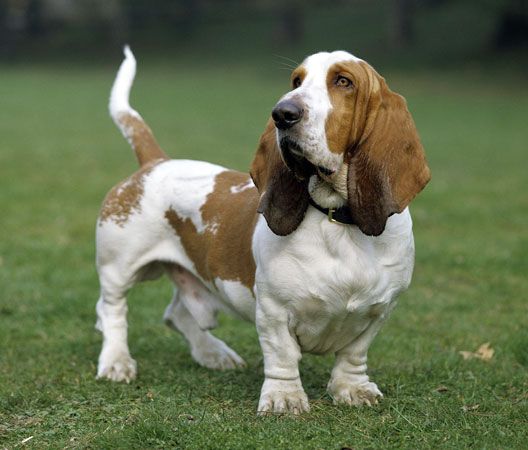
The Basset Hound is a breed of dog originally developed in France and Belgium as a hunting companion for the aristocracy. Known for its short legs, heavy bone structure, and long, pendulous ears, the breed possesses an exceptional sense of smell, second only to the Bloodhound.1
Historically used to trail game such as hares and rabbits, the Basset is a deliberate, slow-moving hunter with a calm and easygoing temperament. While they are friendly toward people and other pets, their independent nature can make training a challenge.1
Prospective owners should be aware that the breed is prone to specific health issues, including gastric dilatation-volvulus, hip dysplasia, and ear infections due to their dropped ears. Additionally, their propensity for drooling and shedding requires consistent grooming and maintenance.12
What does a Basset Hound look like?
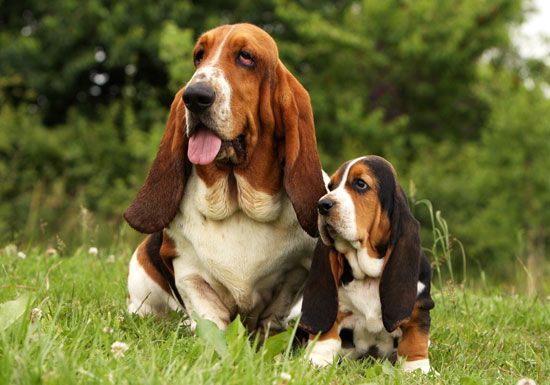
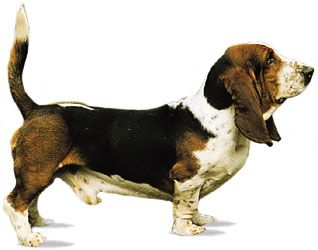
The Basset Hound is a medium-sized, heavy-boned dog characterized by its distinctively short legs and long, pendulous ears. Its physical appearance is defined by several key features:
- Build: It is a heavy, sturdy dog with a low-slung frame, standing up to 15 inches (38 cm) at the withers and weighing between 40 and 65 lbs (18–29 kg).1
- Coat: The breed features a short coat that can appear in any combination of black, tan to reddish brown, and white.1
- Skin: The Basset has loose skin around the head, which requires regular cleaning to prevent odor.1
- Ears: Their ears are notably long and can drag on the ground, often requiring owners to use a “snood” to keep them clean during meals or outdoor activity.1
Due to their heavy bone structure and low center of gravity, they are not agile jumpers and may require assistance getting into vehicles. Their physical traits, while iconic, also make them prone to specific health concerns such as hip dysplasia and ear infections.1
What is the history of the Basset Hound breed?
The Basset Hound is an ancient breed that originated in France and Belgium, where it was developed centuries ago as a hunting companion for the aristocracy. The name itself is derived from the French word bas, meaning “low,” reflecting the breed’s short-legged stature.13
Historically, the Basset Hound was bred to trail game, including hares, rabbits, and deer, though it has also been utilized for hunting foxes and birds. The breed is renowned for having a sense of smell second only to the Bloodhound, making it a highly effective, albeit slow and deliberate, scent hound.1
While the breed has existed for centuries, it gained formal recognition from the American Kennel Club in 1885. Over time, the Basset Hound has transitioned from a specialized hunting dog to a popular companion, even becoming a cultural icon through its association with the Hush Puppies brand and the long-running comic strip Fred Basset.1
What kind of personality do Basset Hounds have?
The Basset Hound is widely recognized for its calm, easygoing, and laid-back personality. While they are energetic and focused when following a scent trail, they are generally known for being relaxed and unhurried in their daily lives, often saving their energy for the hunt or mealtime.1
Their temperament is typically friendly, as they are generally sociable toward strangers, other dogs, and other pets. Because of this gentle nature, they do not make effective protection dogs, though their deep voice can make them decent watchdogs.1
This relaxed approach to life can sometimes make training a challenge, as the breed is known for being deliberate and often refuses to perform tasks quickly. Despite their reputation for being “lazy,” they are well-suited as companions for indoor-oriented owners, provided they receive regular outdoor exercise to satisfy their instincts as a scent hound. It is important to note that these traits are generalizations, and individual dogs may vary in their specific behavior and temperament.1
Sources
- Basset Hound — Encyclopædia Britannica
- dog - Ailments — Encyclopædia Britannica
- basset hound — Merriam-Webster
Published on · 3 min read