Bay of Fundy
The Bay of Fundy is an inlet of the Atlantic Ocean located in Canada. It is bordered by the Canadian provinces of New Brunswick to the north and west, and…
Where is the Bay of Fundy located, and what countries and provinces border it?
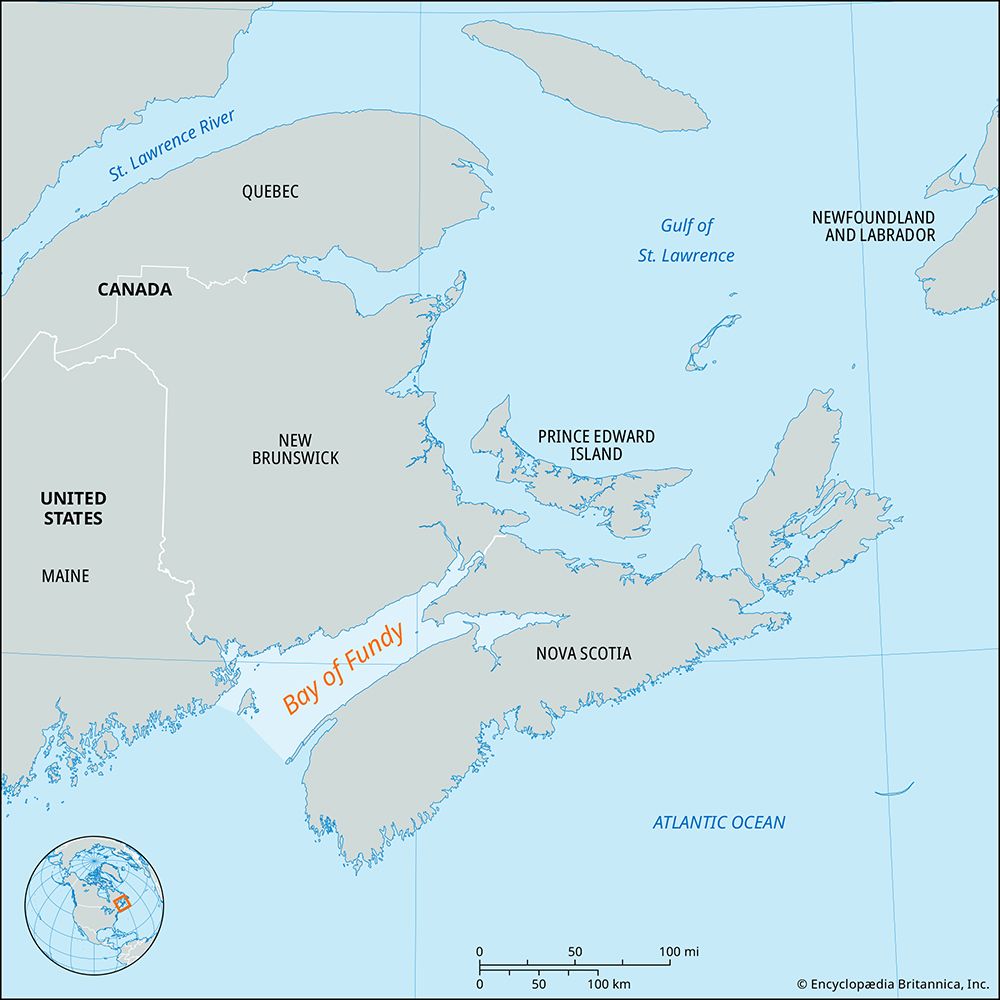
The Bay of Fundy is an inlet of the Atlantic Ocean located in Canada. It is bordered by the Canadian provinces of New Brunswick to the north and west, and Nova Scotia to the south and east.12
While the bay itself is situated entirely between these two Canadian provinces, its northwestern reach includes Passamaquoddy Bay, which sits astride the international border between New Brunswick and the U.S. state of Maine. The bay is world-renowned for having the highest tidal range on Earth, with some areas experiencing rises of up to 70 feet (21 meters).13
What are some popular tourist activities and attractions around the Bay of Fundy?
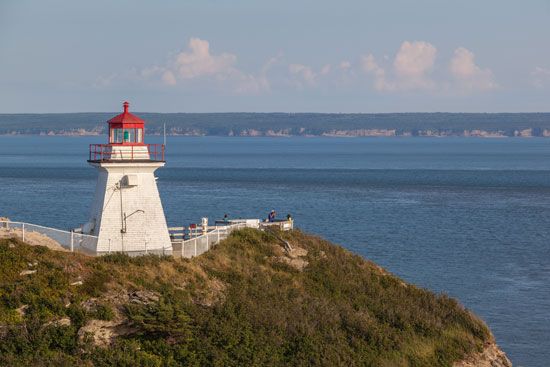
The Bay of Fundy offers a variety of recreational activities centered on its dramatic coastal landscape and world-famous tides. Popular attractions and experiences include:
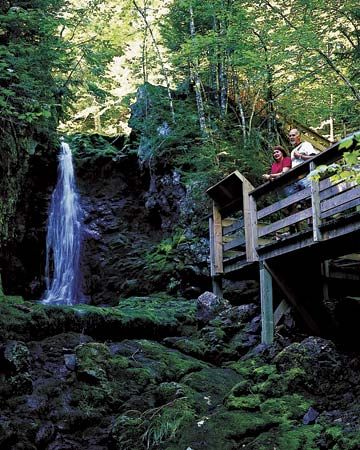
- Exploring Fundy National Park: Located on the rugged coast of New Brunswick, this park provides opportunities for hiking, bird watching, and camping while offering visitors a prime vantage point to witness the world’s highest tides.145
- Tidal Sightseeing: Visitors often travel to witness the unique tidal phenomena, such as the “reversing falls” at the mouth of the Saint John River and the tidal bore—a wave that surges up the Petitcodiac River toward Moncton1.
- Wildlife Viewing: Whale watching is a popular activity near the western islands of the bay.5
- Coastal Recreation: The region’s geography, characterized by steep bedrock cliffs and expansive mudflats at low tide, supports various outdoor pursuits. Travelers also frequent historic harbor towns like Saint John and Digby, which reflect the area’s rich maritime history.1
How has the Bay of Fundy influenced the development of nearby cities and towns?
The Bay of Fundy has played a foundational role in the development of nearby cities and towns, primarily by serving as a catalyst for maritime industry and regional settlement.
Economic and Industrial Growth
During the 19th and early 20th centuries, the bay’s deepwater harbors—most notably Saint John and St. Andrews in New Brunswick, and Digby and Hantsport in Nova Scotia—burgeoned into significant hubs for lumbering, shipping, and shipbuilding. Towns like Yarmouth, situated at the Atlantic entrance to the bay, also developed as prominent shipbuilding centers and continue to function as vital ports and service hubs for their respective regions.17
Agricultural and Strategic Development
The bay’s influence extends to the land as well. In coastal areas, settlers created fine agricultural lands by constructing dikes to reclaim on-land marshes. Furthermore, the bay’s geography shaped regional history; the Chignecto Isthmus, which connects the bay to the mainland, served as a strategic focal point during the colonial struggles between the French and British, leading to the construction of several historic forts.16
Modern Impacts
Today, the bay remains a critical component of the regional economy through its fishing and fish-processing industries, which support numerous workers in coastal communities. Additionally, the bay’s unique tidal dynamics have influenced local infrastructure, such as the reversing falls at the mouth of the Saint John River, and continue to be a subject of interest for potential hydroelectric development.819
What is the Bay of Fundy most famous for in terms of its tides?
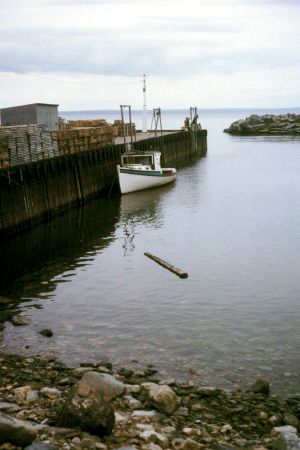
The Bay of Fundy is most famous for having the highest tides in the world. Due to the bay’s unique shape and narrowness, its tidal range is significantly magnified, with water levels rising as much as 70 feet (21 meters) in some areas.111
Key features of these extreme tides include:
- Magnified Range: While the bay is 32 miles wide at its entrance, the tidal range increases as the water is channeled into narrower areas like the Minas Basin and Chignecto Bay, where rises of 53 feet and 46 feet, respectively, are common.1
- Reversing Falls: The powerful tidal fluctuations are strong enough to reverse the flow of the Saint John River for several miles upstream twice daily.112
- Tidal Bores: In rivers such as the Petitcodiac River, the incoming tide creates a tidal bore—a wave that can reach 3 to 6 feet in height—causing the water level to rise by as much as 11 feet per hour.1
Sources
- Bay of Fundy — Encyclopædia Britannica
- Fundy, Bay of — Merriam-Webster
- Passamaquoddy Bay — Encyclopædia Britannica
- Fundy National Park — Encyclopædia Britannica
- Fundy National Park — Merriam-Webster
- New Brunswick - Sports and recreation — Encyclopædia Britannica
- New Brunswick - Agriculture, forestry, and fishing — Encyclopædia Britannica
- Chignecto Isthmus — Encyclopædia Britannica
- New Brunswick - Relief, drainage, and soils — Encyclopædia Britannica
- Yarmouth — Encyclopædia Britannica
- Saint John — Encyclopædia Britannica
- coastal landforms - Tides — Encyclopædia Britannica
Published on · 3 min read