Belize Barrier Reef
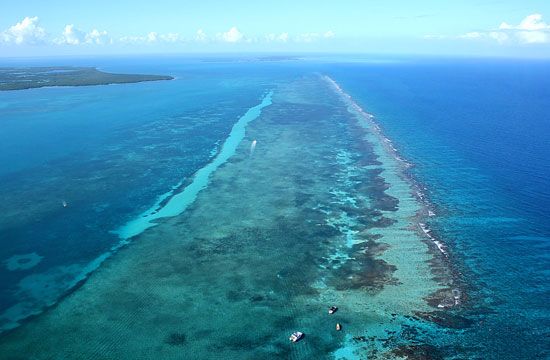
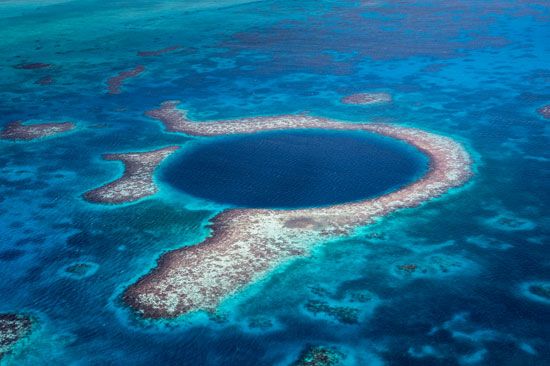
The Belize Barrier Reef is a remarkably biodiverse ecosystem supporting a wide array of marine life. The region is home to more than 500 species of fish, 65…
What types of marine life can be found in the Belize Barrier Reef?
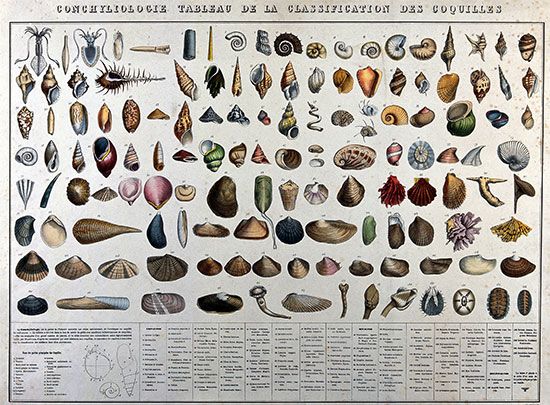
The Belize Barrier Reef is a remarkably biodiverse ecosystem supporting a wide array of marine life. The region is home to more than 500 species of fish, 65 species of stony corals, and 350 varieties of mollusks.1
Key animal species found in the area include:
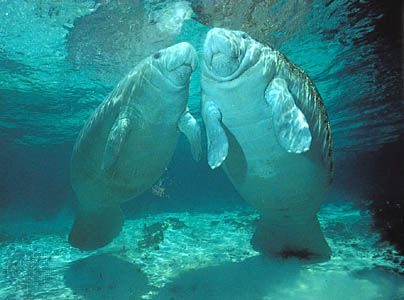
- Marine Mammals: The reef hosts the world’s largest population of West Indian manatees.1
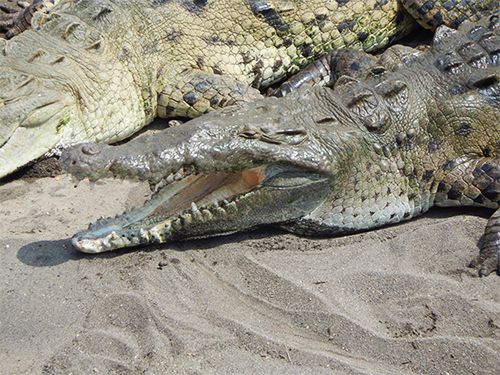
- Reptiles and Birds: The area supports American crocodiles, various sea turtles, and seabirds such as red-footed boobies.1
- Flora: The ecosystem features 247 types of marine flora, including plentiful algal varieties and sea-grass beds that serve as vital habitats for turtles and manatees.1
- Commercial Species: The reef is a significant source of seafood, particularly lobster and conch.1
Protecting these species is an ethical imperative, as the reef faces ongoing threats from human activity, including damage from boat anchors and the impacts of tourism.1
How is the Belize Barrier Reef important to the local economy and tourism?
The Belize Barrier Reef serves as a cornerstone of the national economy, functioning as a vital hub for both the tourism and fishing industries.
Tourism
The reef is a primary driver of Belize’s service sector, which has accounted for the largest share of the country’s GNP since the 1980s. Attracting between 100,000 and 150,000 visitors annually, the reef supports a thriving tourism industry centered on snorkeling and diving in locations such as San Pedro, Caye Caulker, and Placencia. This influx of visitors has made tourism a major source of foreign exchange for the nation.13
Fishing and Trade
Beyond tourism, the reef remains a critical resource for the fishing industry. It serves as a major source of seafood, particularly lobster and conch, much of which is exported to international markets. These seafood products are among the country’s main exports, contributing to the national trade balance.31
While the reef is essential to economic prosperity, it is ethically necessary to manage these activities sustainably, as the ecosystem faces ongoing threats from water sports, boat anchors, and overfishing.3
How has climate change affected the Belize Barrier Reef?
Anthropogenic climate change poses a significant existential threat to the Belize Barrier Reef. The primary mechanism of this impact is coral bleaching, a phenomenon where corals expel the symbiotic zooxanthellae algae that provide them with essential nutrients and their characteristic color.45
This process is largely driven by rising seawater temperatures associated with global warming. When water temperatures remain abnormally high—often around 30 °C (86 °F)—corals experience stress that leads to the breakdown of their symbiotic relationship. If the algae do not recolonize the coral within a few months, the coral colony may die. Significant bleaching events have been documented off the coast of Belize, including notable occurrences in 1995 and 1998.465
Furthermore, ocean acidification—caused by the increased absorption of carbon dioxide—further compromises the health of the reef. As these foundational coral structures decline, the entire ecosystem suffers, leading to habitat loss for numerous marine species and potential local extinctions.45
What is the geological history of the Belize Barrier Reef?
The provided search results do not contain specific information regarding the geological history or formation timeline of the Belize Barrier Reef. While the records discuss the general influence of Pleistocene sea-level fluctuations on global coastal environments and the importance of coral reefs in studying these changes, they do not detail the specific geological origins of this particular reef system.
Sources
- Belize Barrier Reef — Encyclopædia Britannica
- Belize - Drainage and soils — Encyclopædia Britannica
- Belize - Finance, trade, and services — Encyclopædia Britannica
- Coral bleaching — Encyclopædia Britannica
- coral reef - Coral bleaching — Encyclopædia Britannica
- Caribbean Sea - Study and exploration — Encyclopædia Britannica
- Pleistocene Epoch - Coastal environments and sea-level changes — Encyclopædia Britannica
Published on · 3 min read