Bay of Plenty
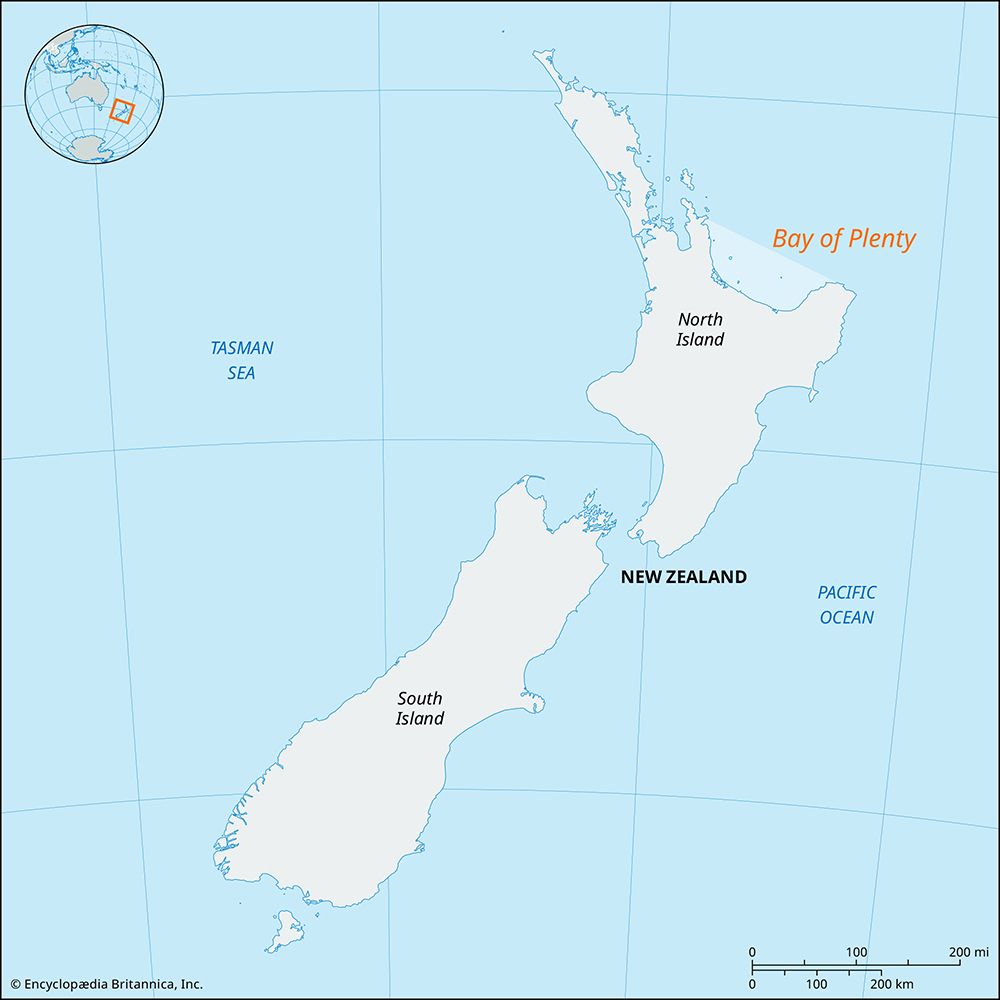
The Bay of Plenty refers to both a geographic feature and a regional council in New Zealand.
What is Bay of Plenty?
The Bay of Plenty refers to both a geographic feature and a regional council in New Zealand.12
The Bay
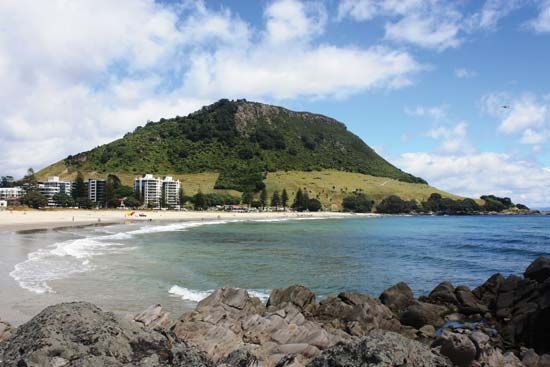
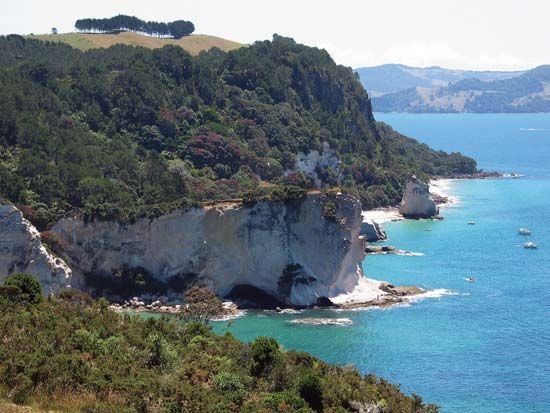
The bay itself is a 100-mile-wide inlet of the Pacific Ocean located along the eastern coast of the North Island. It was named by Captain James Cook in 1769, who chose the name to acknowledge the abundant food and water supplies provided by the local Māori people.2
The Region
The administrative region encompasses the coastal lowlands and extends inland to include parts of the Volcanic Plateau, a center for geothermal activity. Key features and facts include:1
- Geography: It spans approximately 4,740 square miles, featuring rivers like the Rangitaiki and Whakatane.1
- Settlements: Major urban centers include Tauranga and Rotorua, the latter being famous for its geysers and thermal pools.1
- Economy: The region is primarily supported by dairy and sheep farming.12
Why did Captain James Cook name the bay that way?
Captain James Cook named the Bay of Plenty in 1769 to acknowledge the generosity of the Māori people living along its shores. During his exploration, the local inhabitants provided his crew with abundant water and food supplies, which Cook recognized as a “plenty” of provisions.2
What causes the geothermal activity in the Rotorua area?
The geothermal activity in the Rotorua area is a manifestation of volcanic processes occurring within the North Island’s geothermal belt. This activity is primarily driven by the interaction of groundwater with magma or with solidified but still-hot igneous rocks located at shallow depths beneath the surface.78
As groundwater comes into contact with these intense heat sources, it is heated to high temperatures, creating the region’s characteristic hot springs, boiling mud pools, and geysers. The area’s geological foundation is heavily influenced by past volcanic events, including the formation of craters and calderas—large depressions created by volcanic explosions or surface collapse following magma removal. These geothermal features have long been a defining characteristic of the landscape, shaping both the local environment and the region’s development as a center for tourism and cultural history.87910
What are some unique animals found in New Zealand?
New Zealand is home to a variety of unique animals, many of which evolved in isolation due to the country’s long-standing geographic separation from other landmasses.12
Unique Reptiles
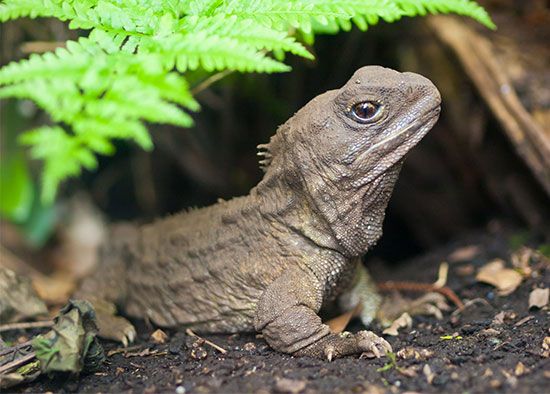
- Tuatara: Often called “beak-headed” reptiles, these are the sole survivors of an ancient order of reptiles that diverged from lizards and snakes approximately 250 million years ago. They are endemic to New Zealand and are known for having a third, or parietal, eye on the top of their heads, which helps regulate hormones rather than providing vision.1213
Distinctive Birds
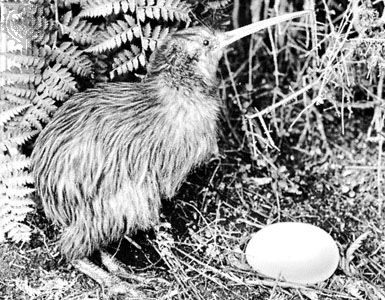
- Kiwi: These flightless, nocturnal birds are a national symbol of New Zealand. They are unique for having nostrils at the tip of their long, flexible bills and laying eggs that are exceptionally large relative to their body size.1415
- Kea: A large, intelligent, and curious parrot species found in the alpine regions of New Zealand. They are known for their inquisitive nature and tendency to investigate human belongings.16
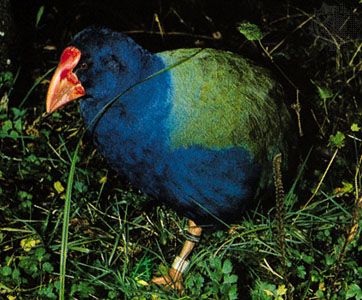
- Takahe and Weka: These are other examples of flightless birds that likely lost the ability to fly after their ancestors arrived on the islands millions of years ago.12
Because New Zealand lacked native predatory mammals for millions of years, it became a sanctuary for these and other bird species, many of which are flightless.12
Sources
- Bay of Plenty — Encyclopædia Britannica
- Bay of Plenty — Encyclopædia Britannica
- New Zealand - Discovery — Encyclopædia Britannica
- history of New Zealand - Discovery of New Zealand — Encyclopædia Britannica
- Wellington Harbour — Encyclopædia Britannica
- James Cook - Voyages and discoveries — Encyclopædia Britannica
- Lake Rotorua — Encyclopædia Britannica
- volcano - Hot springs and geysers — Encyclopædia Britannica
- Rotorua — Encyclopædia Britannica
- Lake Taupō — Encyclopædia Britannica
- Mount Ruapehu — Encyclopædia Britannica
- New Zealand - Plant and animal life — Encyclopædia Britannica
- Why are people from New Zealand called Kiwis? — Encyclopædia Britannica
- tuatara — Encyclopædia Britannica
- Kiwi — Encyclopædia Britannica
- Kea — Encyclopædia Britannica
- kea — Merriam-Webster
Published on · 3 min read