Bean
In botany, a legume refers specifically to the fruit produced by plants in the pea family (Fabaceae). Typically, this fruit develops from a single carpel and…

What is the botanical definition of a legume, and how does it differ from other types of plants?
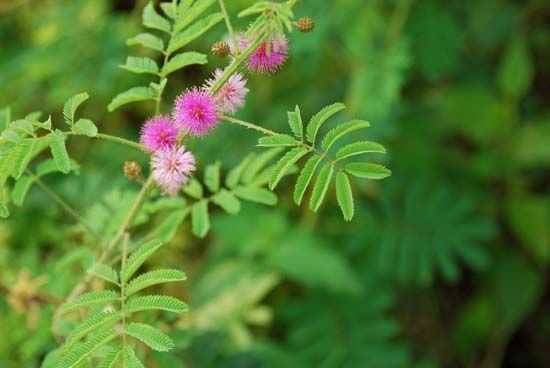
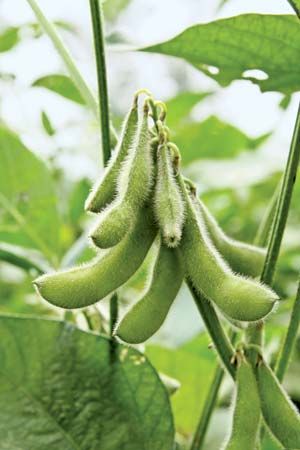
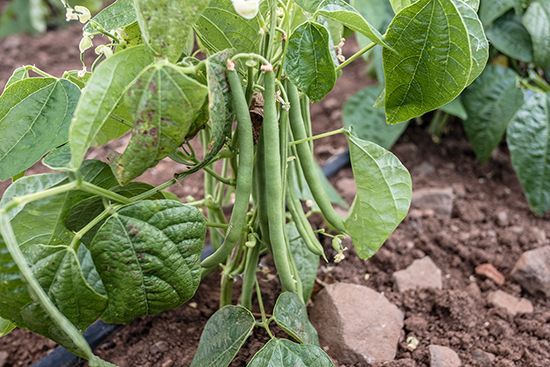
In botany, a legume refers specifically to the fruit produced by plants in the pea family (Fabaceae). Typically, this fruit develops from a single carpel and is a pod that splits open (dehisces) along two seams at maturity to release its seeds. While this is the standard form, some legumes, such as peanuts and carobs, are indehiscent and do not naturally open.12
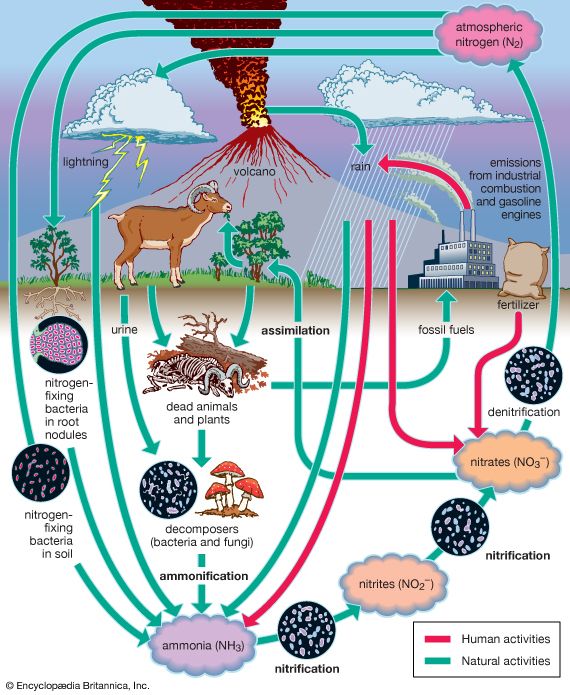
Legumes are distinguished from other plants primarily by their unique ecological role in nitrogen fixation. Through a symbiotic relationship with Rhizobium bacteria housed in root nodules, these plants convert atmospheric nitrogen into compounds usable by the biotic world. This process is almost unique to the Fabaceae family and is essential for maintaining soil fertility, as it allows these plants to thrive in nitrogen-deficient soils where other species might struggle. While other plants may rely on synthetic fertilizers or limited alternative biological arrangements, legumes serve as a primary natural source of nitrogen for global ecosystems and agriculture.34
What are the nutritional benefits of including beans and legumes in our diet?
Including beans and legumes in your diet offers significant nutritional advantages, as they are dense in essential nutrients that support overall health.
Key Nutritional Benefits
- High Protein Content: Legumes typically contain at least 20 percent protein and provide many of the essential amino acids necessary for human health.61
- Rich in Micronutrients: They are excellent sources of iron and various B vitamins, including thiamin and riboflavin, which are vital for energy production and well-being.67
- Dietary Fiber: As a primary source of dietary fiber, legumes help prevent constipation, promote satiety, and may reduce the risk of heart disease by lowering plasma cholesterol levels.8
- Low Fat: Most legumes are naturally low in fat, with the notable exception of soybeans and peanuts, which are frequently processed for their edible oil.6
Because of their shelf stability and nutrient density, they have historically served as vital staples for maintaining health and strength.7
How do legumes fix nitrogen in the soil?
Legumes fix nitrogen through a mutualistic symbiosis with soil bacteria known as Rhizobium. This process occurs through the following steps:54
- Infection: The Rhizobium bacteria invade the root hairs of the host legume plant.59
- Nodule Formation: Once inside, the bacteria multiply and stimulate the plant to form root nodules—small enlargements of plant cells and bacteria living in intimate association.59
- Conversion: Within these nodules, the bacteria perform the complex biosynthetic task of converting atmospheric nitrogen (N2N_2) into ammonia.54
- Utilization: The host plant utilizes this ammonia for its own development and growth.59
This relationship is highly beneficial for the environment, as the nitrogen compounds produced by the bacteria become available to other plants when the legume’s roots and other parts decay and release these nutrients into the soil. Because this process is so effective at maintaining soil fertility, legumes are frequently used in crop rotation to naturally enrich fields.4
How do legumes play a role in crop rotation and why is this important?
Legumes are fundamental to crop rotation due to their unique ability to perform nitrogen fixation. Through a symbiotic relationship with Rhizobium bacteria, legumes convert atmospheric nitrogen into compounds that enrich the soil, providing a natural alternative or supplement to synthetic fertilizers.4
The importance of including legumes in rotation systems extends beyond soil fertility:
- Soil Health and Productivity: Legumes act as “rest” crops that replenish nitrogen levels, which is essential for maintaining long-term land productivity. When plowed under as green manure, they add vital organic matter to the soil.410
- Erosion Control: As cover crops, legumes provide vegetative cover that protects sloping land from excessive erosion.410
- Pest and Disease Management: Rotating crops changes the growing environment, which helps disrupt the life cycles of weeds, nematodes, and other plant diseases that might otherwise thrive in a single-crop system.41110
- Economic and Operational Efficiency: Legumes provide additional value as animal forage (hay or silage), helping farmers manage labor, equipment, and livestock needs more effectively.410
Sources
- Legume — Encyclopædia Britannica
- Fabaceae — Encyclopædia Britannica
- Fabaceae - Physical description — Encyclopædia Britannica
- Fabaceae - Nitrogen fixation — Encyclopædia Britannica
- Nitrogen-fixing bacteria — Encyclopædia Britannica
- human nutrition - Legumes — Encyclopædia Britannica
- Why are navy beans called navy beans? — Encyclopædia Britannica
- dietary fiber — Encyclopædia Britannica
- nitrogen fixation — Encyclopædia Britannica
- Agricultural technology - Control of plant diseases and nematodes — Encyclopædia Britannica
- Crop rotation — Encyclopædia Britannica
Published on · 3 min read