Nitrogen Fixation
Nitrogen fixation is the chemical process of converting relatively inert atmospheric nitrogen (N2N2) into reactive nitrogen compounds, such as ammonia…
What is nitrogen fixation and why is it important for life on Earth?
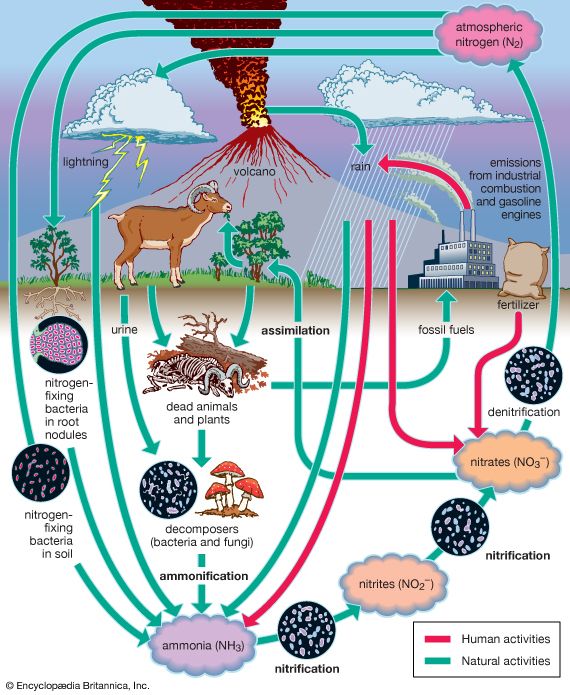
Nitrogen fixation is the chemical process of converting relatively inert atmospheric nitrogen (N2N_2) into reactive nitrogen compounds, such as ammonia, nitrates, or nitritesscience/nitrate), or nitrites. While Earth’s atmosphere is approximately 78 percent nitrogen, most living organisms cannot utilize this gas directly.4123
This process is essential for life because nitrogen is a fundamental building block for DNA, RNA, and amino acids, which form proteins. It is also a core component of chlorophyll and adenosine triphosphate (ATP), which are critical for energy production in plants and animals.2
More than 90 percent of natural nitrogen fixation is performed by microorganisms, including free-living bacteria and symbiotic species like Rhizobium, which partner with legumes to enrich the soil. Industrial methods, most notably the Haber-Bosch process, also synthesize ammonia to support global agriculture.41
What are the main chemical reactions involved in the nitrogen fixation process?
Nitrogen fixation involves converting inert atmospheric nitrogen (N2N_2) into reactive compounds like ammonia (NH3NH_3), nitrates, or nitrites. The chemical pathways differ significantly between natural biological processes and industrial synthesis.5
Biological Nitrogen Fixation
In nature, more than 90 percent of nitrogen fixation is performed by microorganisms, such as Rhizobium, Azotobacter, and cyanobacteria. This process relies on the enzyme nitrogenase, which catalyzes the reduction of molecular nitrogen into ammonia. Unlike industrial methods, this biological conversion occurs under ambient conditions without requiring extreme temperatures or pressures.5718
Industrial Nitrogen Fixation
Industrial processes were developed to meet the global demand for fertilizers and nitrogenous materials.5
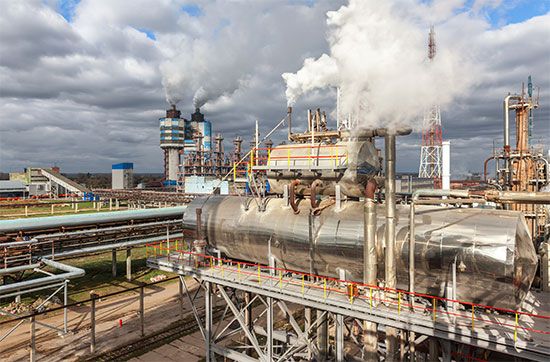
- Haber-Bosch Process: This is the most common and economical method. It directly synthesizes ammonia by combining nitrogen and hydrogen gases. The reaction is facilitated by an iron-based catalyst under high pressures (200–400 atmospheres) and moderately high temperatures (400°–650° C).59
- Arc Process: An early, energy-inefficient method that used high-temperature electric arcs to combine nitrogen and oxygen into nitric oxide, which was then converted into nitrates.5
- Cyanamide Process: This method reacted nitrogen with calcium carbide at high temperatures to form calcium cyanamide, which was subsequently hydrolyzed to produce ammonia and urea.5
Following the production of ammonia, the chemical industry often oxidizes it using a platinum-rhodium catalyst to produce nitric acid, a precursor for various fertilizers and explosives.8
How do nitrogen-fixing cyanobacteria contribute to marine ecosystems?
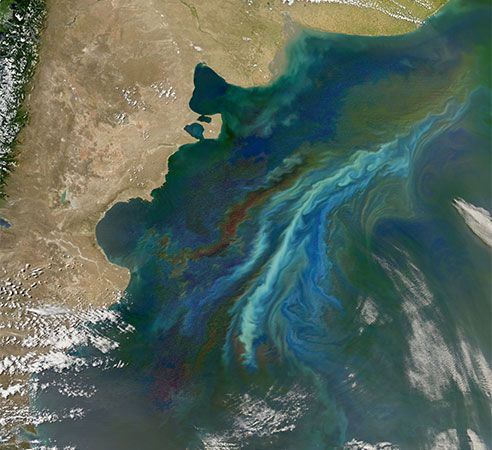
Nitrogen-fixing cyanobacteria play a vital role in marine ecosystems by converting atmospheric nitrogen (N2N_2) into reactive forms, such as ammonia, that can be utilized by other living organisms. Because nitrogen is frequently a limiting nutrient for primary productivity in the ocean, this process is essential for supporting the growth of phytoplankton and the broader marine food web.10111213
These organisms, which include free-living genera such as Anabaena and Nostoc, are widely distributed in marine environments, including coral reefs and the open ocean. Many filamentous species utilize specialized, oxygen-impermeable cells called heterocysts to create the anaerobic environment necessary for the nitrogen-fixing enzyme nitrogenase to function effectively.1114
While their contribution is beneficial, it is important to note that excessive growth—often triggered by pollution—can lead to harmful blooms. These blooms may consume vast amounts of dissolved oxygen, which can negatively impact fish and other aquatic life.11
How do legumes and their symbiotic bacteria contribute to nitrogen fixation?
Legumes and their symbiotic bacteria, primarily of the genus Rhizobium, engage in a mutually beneficial relationship that is essential for global nitrogen fixation.16
This process functions through a specialized symbiosis:
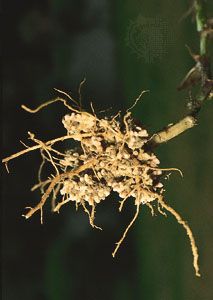
- Infection and Nodulation: The bacteria invade the root hairs of host legumes, where they multiply and stimulate the plant to form root nodules—distinctive enlargements of plant cells and bacteria.15
- Nitrogen Conversion: Within these nodules, the bacteria convert atmospheric nitrogen (N2N_2) into ammonia, a form of nitrogen that the host plant can readily utilize for its development and the production of proteins.1613
- Mutual Benefit: The plant provides the bacteria with a home and the necessary subsistence, while the bacteria provide the plant with vital nitrogen compounds.6
This relationship is ecologically and agriculturally significant. When the host plant dies or its roots decay, the fixed nitrogen is released into the soil, enriching it for other plants. Consequently, legumes are frequently used in crop rotation and as green manures to naturally maintain soil fertility.613
Sources
- Nitrogen-fixing bacteria — Encyclopædia Britannica
- nitrogen fixation — Merriam-Webster
- Bacteria: Top Questions — Encyclopædia Britannica
- Why is nitrogen essential to life? — Encyclopædia Britannica
- nitrogen fixation — Encyclopædia Britannica
- Fabaceae - Nitrogen fixation — Encyclopædia Britannica
- Haber-Bosch process — Encyclopædia Britannica
- nitrogenase — Merriam-Webster
- chemical industry - Nitric acid — Encyclopædia Britannica
- Biosphere - The nitrogen cycle — Encyclopædia Britannica
- Blue-green algae — Encyclopædia Britannica
- Marine ecosystem - Biological productivity — Encyclopædia Britannica
- Nitrogen-fixing bacteria: Top Questions — Encyclopædia Britannica
- primary productivity — Encyclopædia Britannica
Published on · 4 min read