Symbiosis
Mutualism is an association between organisms of two different species in which each participant derives a benefit. These relationships are often driven by…
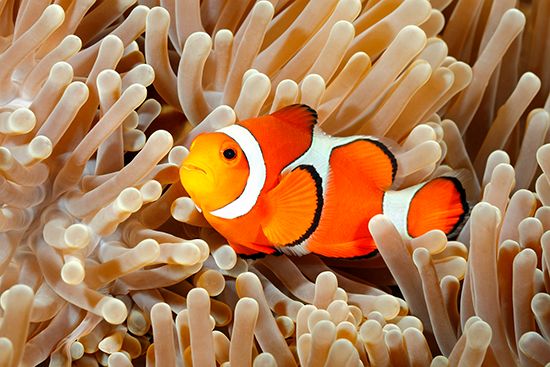
How does mutualism benefit both organisms involved in the relationship?
Mutualism is an association between organisms of two different species in which each participant derives a benefit. These relationships are often driven by genetically selfish principles, where species manipulate one another for their own advantage; the interaction is considered mutualistic simply because the selfish activities of each species happen to benefit the other.12
Participants may gain various advantages, including:
- Nutrition and Digestion: Many animals rely on gut microorganisms to metabolize food, such as termites that require specialized microbes to digest wood. Similarly, plants often form mycorrhizal associations with fungi to improve nutrient uptake.31
- Protection: Some species provide defense in exchange for resources, such as acacia ants that protect their host trees from browsers while receiving food and shelter.1
- Reproduction: Many plants rely on animals for pollination and seed dispersal, while the animals gain a reliable food source.314
In some cases, these relationships become so interdependent that neither partner can survive without the other, a state known as obligative mutualism.31
Can you provide examples of commensalism in nature?
Commensalism is a biological relationship between two species where one organism, the commensal, derives benefits such as food, shelter, or locomotion from a host without either harming or benefiting that host. The host remains essentially unaffected by the interaction.72
Common examples of commensalism in nature include:
- Remoras and Sharks: The remora uses a specialized sucking disk on its head to attach to sharks and other fishes. This provides the remora with transportation and access to the leftovers of the host’s meals.7
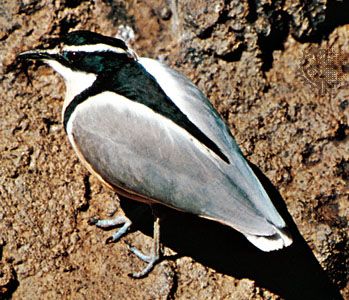
- Birds and Grazing Mammals: Species such as the great egret often follow grazing mammals to feed on insects that are stirred up by the animals’ movement or by plowing.7
- Feather and Skin Dwellers: Various lice, fleas, and louse flies live on birds and mammals, feeding harmlessly on feathers or sloughed-off skin flakes.7
What are some well-known examples of parasitic relationships?
Parasitism is a biological relationship where one organism, the parasite, benefits at the expense of another, the host. Parasites are categorized by where they reside and how they interact with their hosts.9
Common Examples of Parasitic Relationships
- Ectoparasites: These organisms live on the surface of the host. Common examples include ticks, fleas, leeches, and lice, which often feed on the host’s blood or skin.910
- Endoparasites: These inhabit the interior of the host. This includes tapeworms that attach to the intestinal wall, and protozoans like Plasmodium, which causes malaria by infecting red blood cells.910
- Brood Parasitism: Practiced by most cuckoos and all cowbirds, these birds lay their eggs in the nests of other species, forcing the hosts to raise the parasite’s young.9
- Sexual Parasitism: Observed in some deep-sea anglerfish, the male attaches to the female and becomes physiologically dependent on her, effectively serving as a sperm-producing organ.9
- Social Parasitism: Seen in some ant species that rely on the labor of a host ant colony to maintain their own mixed-species colony.9
Can symbiotic relationships change or break down, and what are the consequences?
Symbiotic relationships are dynamic and can indeed change or break down, often with significant ecological consequences. These shifts typically occur due to environmental stressors or the emergence of “cheaters” that exploit established partnerships.
Environmental Stress and Symbiosis Breakdown
A primary example of a breakdown in symbiosis is coral bleaching. Corals rely on a symbiotic relationship with algae called zooxanthellae, which provide them with nutrients through photosynthesis. When environmental conditions—such as rising seawater temperatures, ocean acidification, or pollution—become stressful, the algae produce toxic molecules. This forces the coral to expel the algae, leading to a physical separation of the partners. If the algae do not recolonize, the coral may die, resulting in the loss of habitat for approximately 25 percent of all marine species and potentially causing local extinctions.13
Exploitation by “Cheaters”
Mutualistic relationships are also vulnerable to “cheaters” that exploit the interaction without reciprocating benefits. This can destabilize the relationship:
- Resource Theft: Some insects pierce the base of flowers to steal nectar without pollinating the plant, bypassing the specialized adaptations evolved for legitimate pollinators.14
- Mimicry: Certain fish have evolved to resemble cleaner fish. While the host fish expects to be groomed, the imposters instead bite the host, subverting the mutualistic trust.14
As these cheaters evolve, they can cause the symbiotic relationship to collapse unless the host population develops new defenses to thwart them.14
Sources
- community ecology - The evolution of mutualism — Encyclopædia Britannica
- community ecology - The pervasiveness of mutualism — Encyclopædia Britannica
- mutualism — Encyclopædia Britannica
- community ecology - Mutualism — Encyclopædia Britannica
- Did you know? — Merriam-Webster
- community ecology - Community structure and the spread of mutualism — Encyclopædia Britannica
- commensalism — Encyclopædia Britannica
- commensalism — Merriam-Webster
- parasitism — Encyclopædia Britannica
- parasitic disease - Major disease-causing parasites — Encyclopædia Britannica
- parasitology — Encyclopædia Britannica
- Protozoan - Protozoans and disease — Encyclopædia Britannica
- Coral bleaching — Encyclopædia Britannica
- Parasitic plant — Encyclopædia Britannica
- community ecology - Mutualism and cheaters — Encyclopædia Britannica
Published on · 4 min read