Deciduous Forest
Seasonal changes profoundly shape the ecology of deciduous forests, driving a cycle of growth, dormancy, and nutrient recycling. These forests are…
How do seasonal changes affect the ecology of deciduous forests?
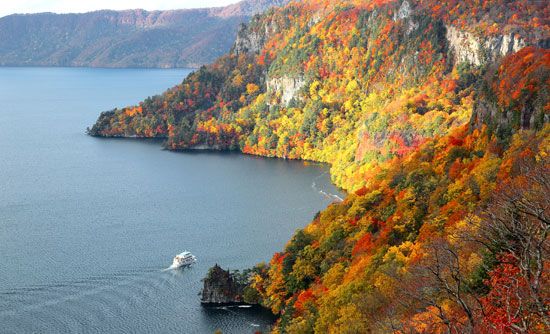
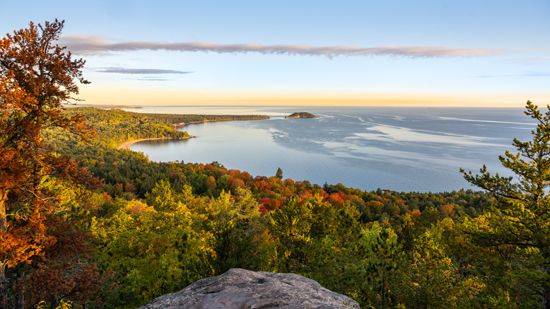
Seasonal changes profoundly shape the ecology of deciduous forests, driving a cycle of growth, dormancy, and nutrient recycling. These forests are characterized by broad-leaved trees that shed their foliage in autumn as temperatures decline and days shorten, a response often regulated by photoperiodism1.1
Seasonal Dynamics
- Spring: Rising temperatures and increased rainfall stimulate new growth. Before the tree canopy fully develops, abundant sunlight reaches the forest floor, supporting the growth of spring ephemerals and other wildflowers.1
- Summer: A dense, green canopy forms, shading the understory and reducing light availability. Warm temperatures and moisture fuel the growth of trees and shrubs.1
- Autumn: Declining temperatures and shorter days trigger leaf shedding. This litter forms a layer on the forest floor, where fungi, bacteria, and invertebrates break down organic matter, returning vital nutrients to the soil.1
- Winter: Trees enter a period of dormancy to survive freezing temperatures and reduced light, which limit photosynthetic activity.21
These shifts also influence animal behavior, including seasonal molts for camouflage and the migration of species to exploit fluctuating food resources.345
How do human activities, such as logging and agriculture, impact deciduous forest ecology?
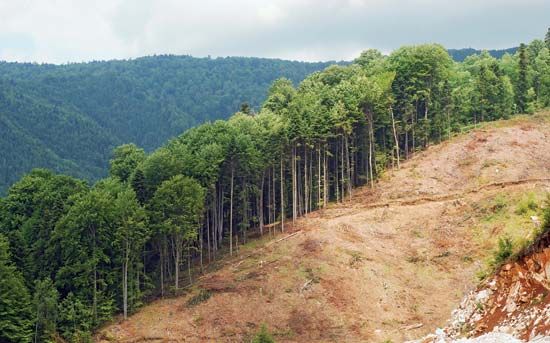
Human activities, particularly agriculture and logging, have significantly altered the ecology of deciduous forests. Because these forests are located in regions with long histories of dense human settlement, large areas have been cleared or substantially modified, leading to profound environmental consequences.7
Key Impacts of Human Activity
- Forest Loss and Fragmentation: Agricultural expansion and urban development have caused extensive forest loss. When large forest blocks are divided into smaller, disconnected patches, it creates habitat fragmentation. This isolation hinders the ability of plant and animal species to reproduce, as it reduces the likelihood of mates meeting and can force organisms to traverse dangerous, inhospitable areas.27
- Logging and Structural Changes: Selective logging can convert a closed, moist forest into a more open, drier environment. This increased openness leaves the remaining forest more vulnerable to natural droughts and the accidental spread of wildfires from adjacent agricultural lands.2
- Loss of Ecosystem Services: By clearing forests, humans diminish critical ecosystem services, including the regulation of water cycles, the stabilization of soils, and the sequestration of carbon. When trees are removed, their capacity to mitigate climate change is lost, and stored carbon may be released back into the atmosphere.27
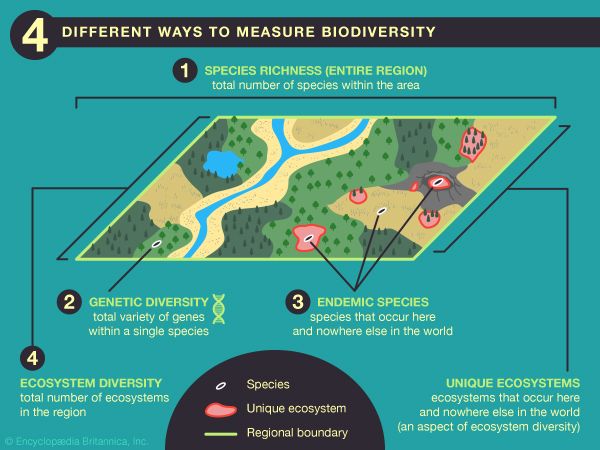
Protecting and restoring these areas is essential to conserving biodiversity and maintaining the complex ecological communities that deciduous forests support.7
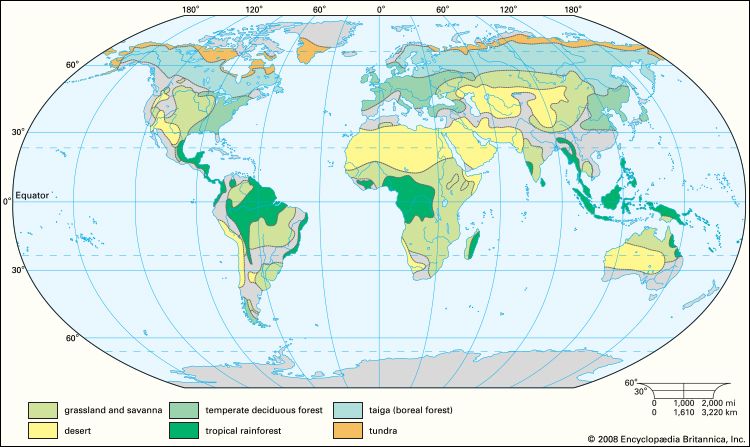
What are some common plant and animal species found in deciduous forests?
Deciduous forests are home to a diverse array of flora and fauna, shaped by the biome’s distinct seasonal cycles.
Common Flora
The canopy of mid-latitude deciduous forests is dominated by broad-leaved trees that shed their foliage annually. Key species include:
- Trees: Oaks, beeches, maples, birches, hickories, elms, aspens, and basswoods.28
- Understory: Shrubs are typically found near forest edges or clearings, while spring ephemerals and other wildflowers bloom on the forest floor in early spring before the canopy fully closes.2
Common Fauna
These forests support a wide variety of animal life adapted to seasonal changes:
- Mammals: Deer, bears, foxes, squirrels, rabbits, chipmunks, badgers, hedgehogs, and wild boar.29
- Birds: Woodpeckers, warblers, flycatchers, vireos, thrushes, hawks, owls, turkeys, and grouse.29
- Invertebrates and Cold-blooded Vertebrates: The leaf litter provides habitat for snails, slugs, insects, spiders, salamanders, frogs, snakes, and turtles.29
How does the soil composition in deciduous forests affect the types of plants that grow there?
Soil composition plays a critical role in determining the structure and composition of deciduous forests. These forests typically thrive on fertile, slightly acidic gray-brown or brown podzols, which feature a porous mull layer—a nutrient-rich mixture of organic matter and mineral soil that supports diverse biological activity.12
Variations in soil fertility and material strongly influence which tree species dominate a specific area:
- Soil Type and Dominance: In northwestern Europe, for example, the European beech tends to dominate on shallow soils overlying chalk, whereas oaks are more common on deeper, clay-rich soils.1
- Ground Flora: The richness and diversity of the ground flora beneath the canopy generally increase in correlation with soil fertility.1
- Waterlogging: Soils that are prone to waterlogging—such as those with high clay content, low slope angles, or those found in depressions—often support a less luxuriant tree canopy. These areas are typically dominated by only a few species capable of tolerating wet conditions, though they may host a richer ground flora.1
Sources
- Temperate forest - Environment — Encyclopædia Britannica
- Deciduous forest — Encyclopædia Britannica
- Migration - Ecological significance of migration — Encyclopædia Britannica
- Tundra - Use of sunlight and carbon dioxide — Encyclopædia Britannica
- coloration - Seasonal changes — Encyclopædia Britannica
- artiodactyl - Migration — Encyclopædia Britannica
- Deforestation - Effects — Encyclopædia Britannica
- Temperate forest - Flora — Encyclopædia Britannica
- Deciduous forest: Top Questions — Encyclopædia Britannica
Published on · 4 min read