Begoniaceae
Plants in the Begoniaceae family, particularly those in the genus Begonia, are highly valued in horticulture for their diverse forms, colorful flowers, and…
What are some common uses of Begoniaceae plants in horticulture and gardening?
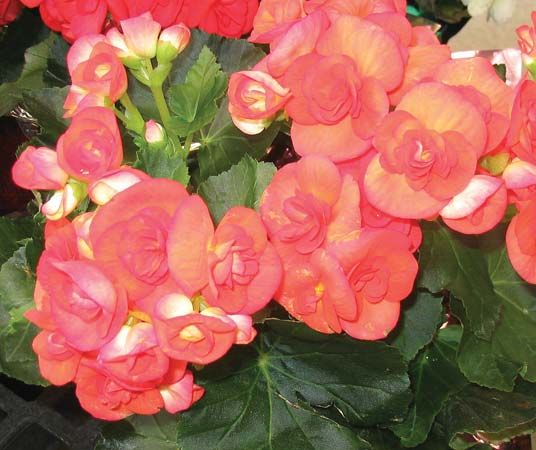
Plants in the Begoniaceae family, particularly those in the genus Begonia, are highly valued in horticulture for their diverse forms, colorful flowers, and decorative foliage. With over 10,000 cultivated varieties, they are primarily grown as indoor pot plants or outdoor garden specimens.12
Horticulturists typically categorize these plants into four main groups based on their growth habits:
- Fibrous-rooted: Includes wax (bedding) begonias often used for summer displays, cane-stemmed “angelwing” types, and hairy begonias.12
- Rhizomatous: Prized for their striking, patterned leaves, such as the Rex-Cultorum group.12
- Tuberous-rooted: Grown for their large, vibrant flowers, these include outdoor varieties that bloom from summer to frost and winter-blooming greenhouse types.1
- Ornamental Hybrids: Many species are cultivated specifically for their potential to produce hybrids with unique flower colors, leaf patterns, and blooming periods.2
While primarily ornamental, some species are also noted for edible leaves or traditional medicinal uses in certain regions.2
What are the main characteristics of plants in the Begoniaceae family?
The Begoniaceae family, belonging to the order Cucurbitales, consists of two genera: Begonia and the Hawaiian-endemic Hillebrandia. These plants are primarily found in tropical and warm temperate regions.2
Key characteristics include:
- Growth Habit: Most are perennial herbs, though some are shrubs or climbers. They often feature succulent stems and thick rhizomes or tubers.2
- Foliage: Leaves are typically simple and alternate, and they are distinctively asymmetrical, with one side of the leaf blade significantly larger than the other.21
- Reproduction: The plants are generally monoecious, meaning both male and female flowers occur on the same individual.24
- Floral Structure: Flowers are unisexual. Male flowers possess two petal-like sepals and two petals, while female flowers have an inferior ovary that is often winged.21
- Fruit: The fruits are typically capsules that frequently feature well-developed wings and contain numerous minute seeds.2
While they are widely cultivated as ornamentals due to their colorful flowers and foliage, the family has limited economic importance beyond horticulture.21
How have Begoniaceae plants been used in traditional medicine or for other cultural purposes?
While the Begoniaceae family is primarily recognized for its horticultural value, certain species have historically served cultural and medicinal purposes in various regions.
In parts of South America, specific species have been consumed to prevent scurvy, and the rhizomes of certain local species have been utilized for their medicinal properties. These applications include their use as:
- Astringents: To help contract tissues or stop bleeding.
- Fever treatments: Used in traditional remedies to manage high body temperatures.
- Antisyphilitics: Employed in historical efforts to treat syphilis.
- Laxatives: Utilized to promote digestive regularity.2
Additionally, the leaves of various Begonia species found in Africa and Asia are considered edible, serving as a food source in those regions.2
How many species are there in the Begoniaceae family, and where are they primarily found?
The Begoniaceae family consists of two genera and more than 1,400 species. The vast majority of these species belong to the genus Begonia, while the genus Hillebrandia contains only one species, Hillebrandia sandwicensis.23
These plants are distributed throughout most tropical and subtropical regions of the world. While they are found across a wide range, a large percentage of the species are native to the Americas. The genus Hillebrandia is unique in that it is endemic to the Hawaiian Islands.32
Sources
- begonia — Encyclopædia Britannica
- Begoniaceae — Encyclopædia Britannica
- Cucurbitales - Begoniaceae — Encyclopædia Britannica
- Begoniaceae — Merriam-Webster
Published on · 3 min read